
Craving a delicious and wholesome pizza experience that fits your dietary needs? Look no further than this incredible chickpea pizza crust recipe! If you’re searching for a gluten-free, high-fiber, and protein-packed pizza option that doesn’t compromise on flavor or texture, you’ve found your new favorite. This ingenious recipe transforms simple chickpea flour into a remarkably sturdy and satisfying pizza base that your entire family will adore. Whether you’re a fan of the classic Margherita or prefer a loaded pizza with all the fixings, this versatile chickpea flour pizza crust serves as the perfect canvas for a wide array of toppings.
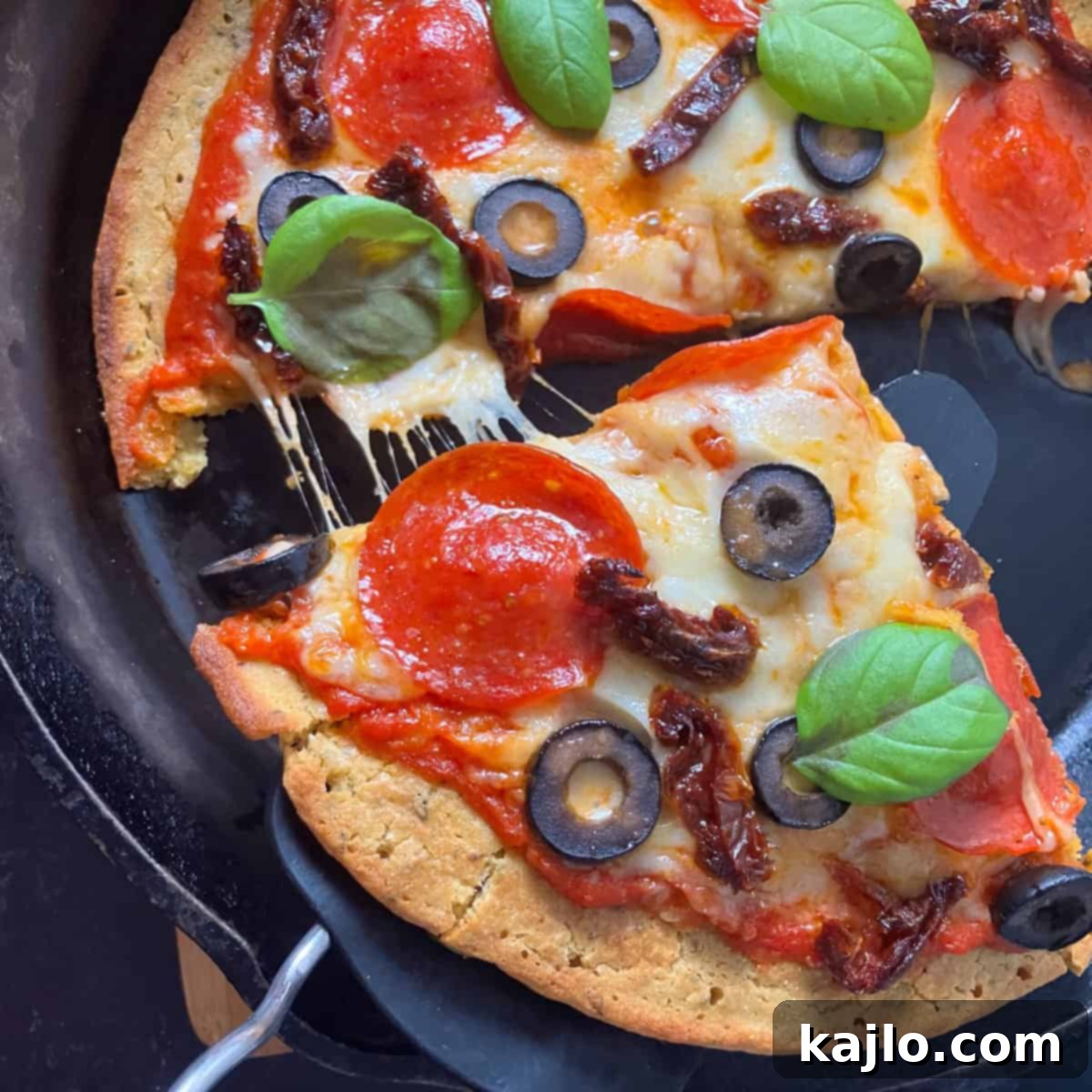
The concept of a pizza crust made from chickpeas has gained significant popularity, thanks to brands like Banza. While store-bought options are convenient, creating your own homemade chickpea pizza crust is a rewarding experience, allowing you to control the ingredients and customize it to your exact preferences. This recipe draws inspiration from “socca,” a traditional savory chickpea pancake or flatbread from the Mediterranean, making it naturally gluten-free and incredibly flavorful. Get ready to ditch the traditional flour and embrace the wholesome goodness of a garbanzo bean flour pizza crust that’s both healthy and utterly delicious.
🍕 Essential Ingredients for Your Chickpea Pizza Crust
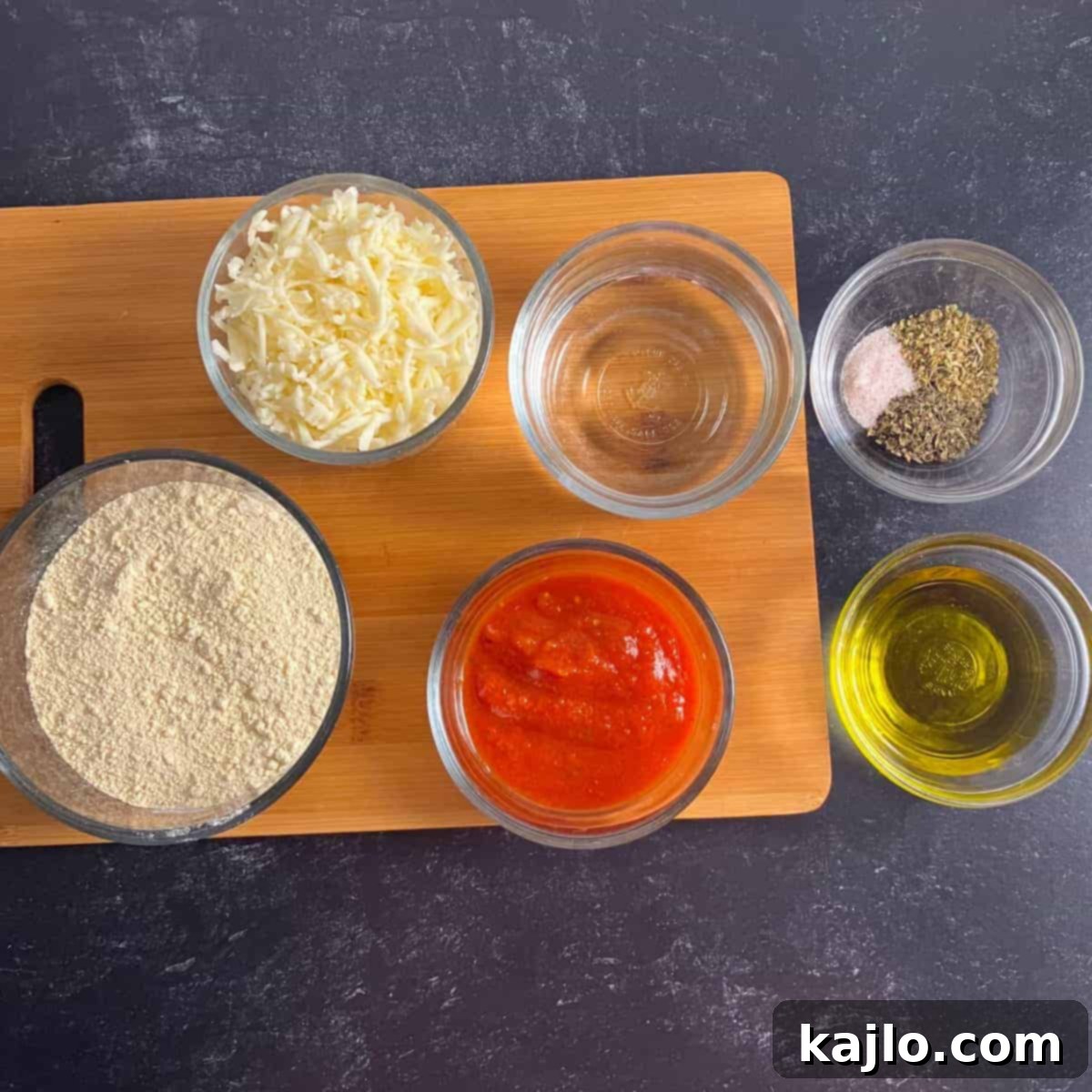
This delightful chickpea pizza base is essentially a simplified version of socca, requiring only a few staple ingredients to create a robust and flavorful foundation for your pizza. Here’s what you’ll need to make this easy chickpea flour pizza crust recipe:
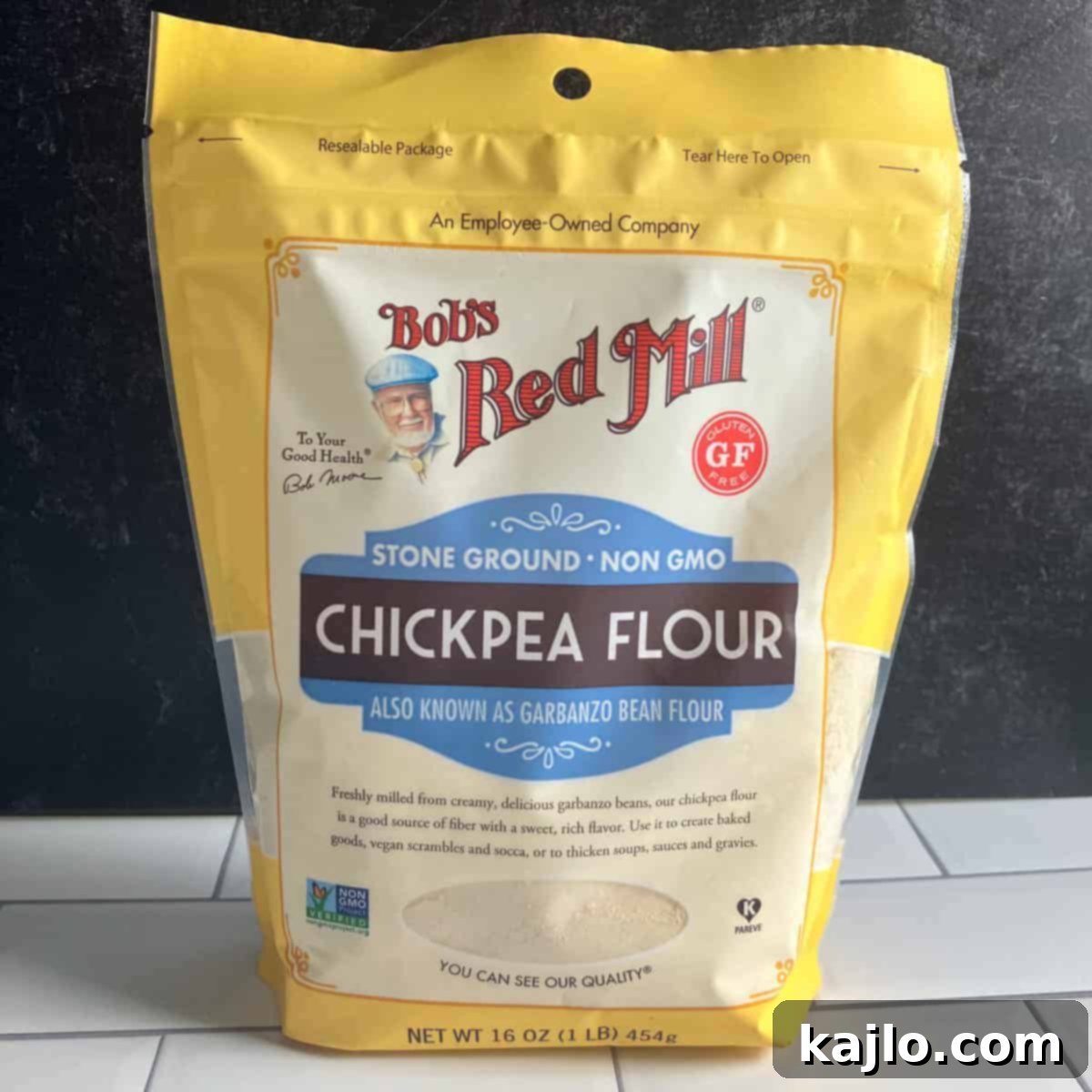
- Chickpea Flour (Garbanzo Bean Flour): 1 cup (approximately 120 grams). Weighing the flour ensures the best consistency for your crust. This is the star ingredient, providing a unique flavor and texture profile, as well as a significant boost in protein and fiber.
- Water: 1 cup. Essential for creating a smooth, pourable batter.
- Extra Virgin Olive Oil: 2½ tablespoons, divided. Olive oil adds richness, helps with the crispness of the crust, and prevents sticking.
- Flavorful Spices and Herbs: 1 teaspoon each of dried basil and dried oregano, plus salt to taste (we recommend starting with ½ teaspoon). These herbs infuse the crust with classic Italian pizza flavors.
- Pizza Sauce: ⅓ cup. Choose a quality pizza or tomato sauce, ideally one with no added sugar, to keep your pizza fresh and prevent sogginess.
- Shredded Mozzarella Cheese: 3 ounces (approximately 85 grams). The quintessential pizza topping for that gooey, melty goodness.
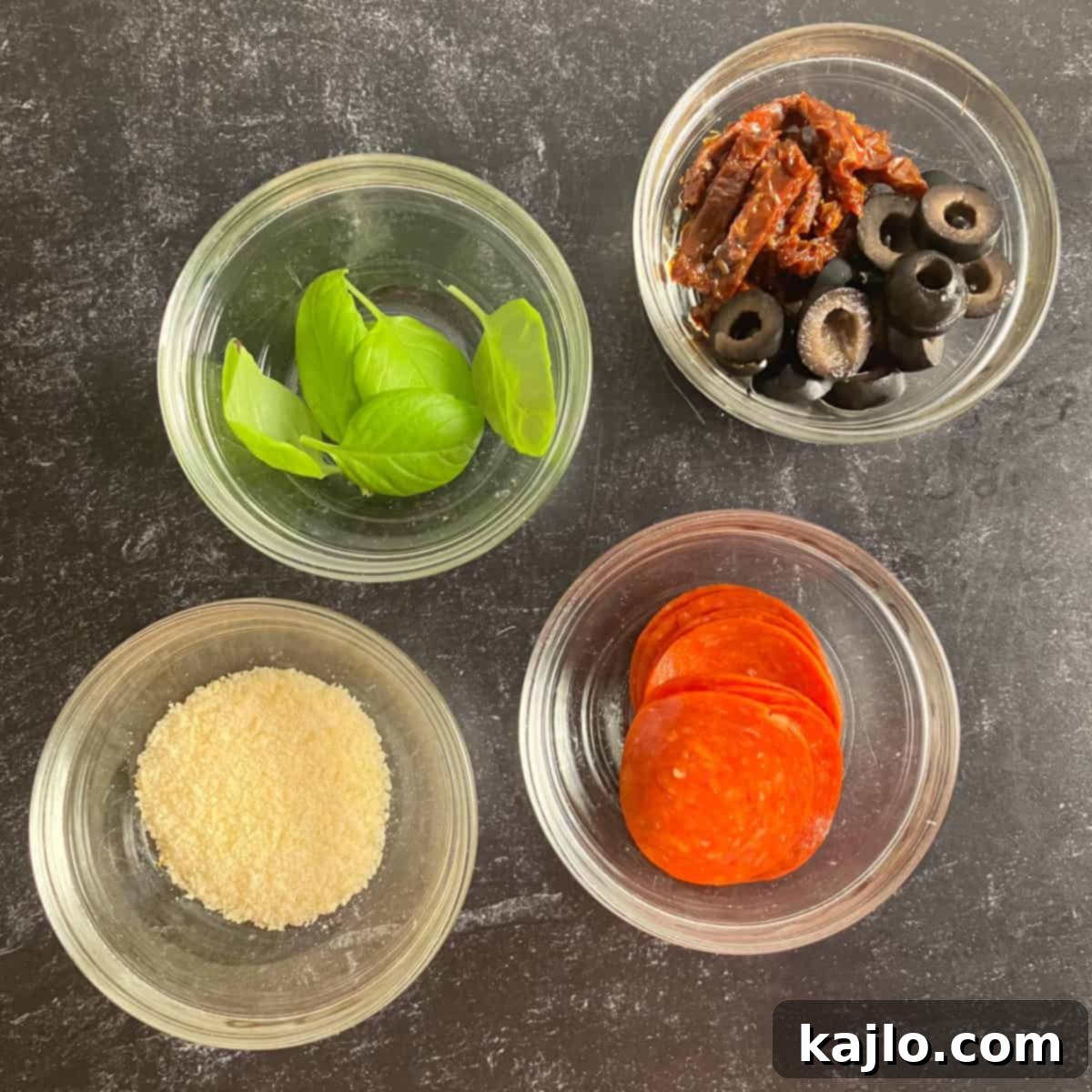
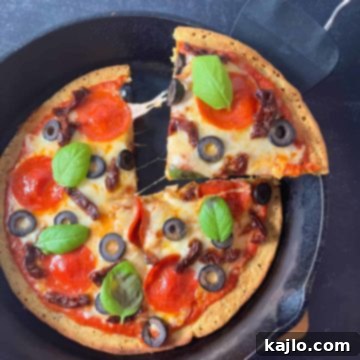
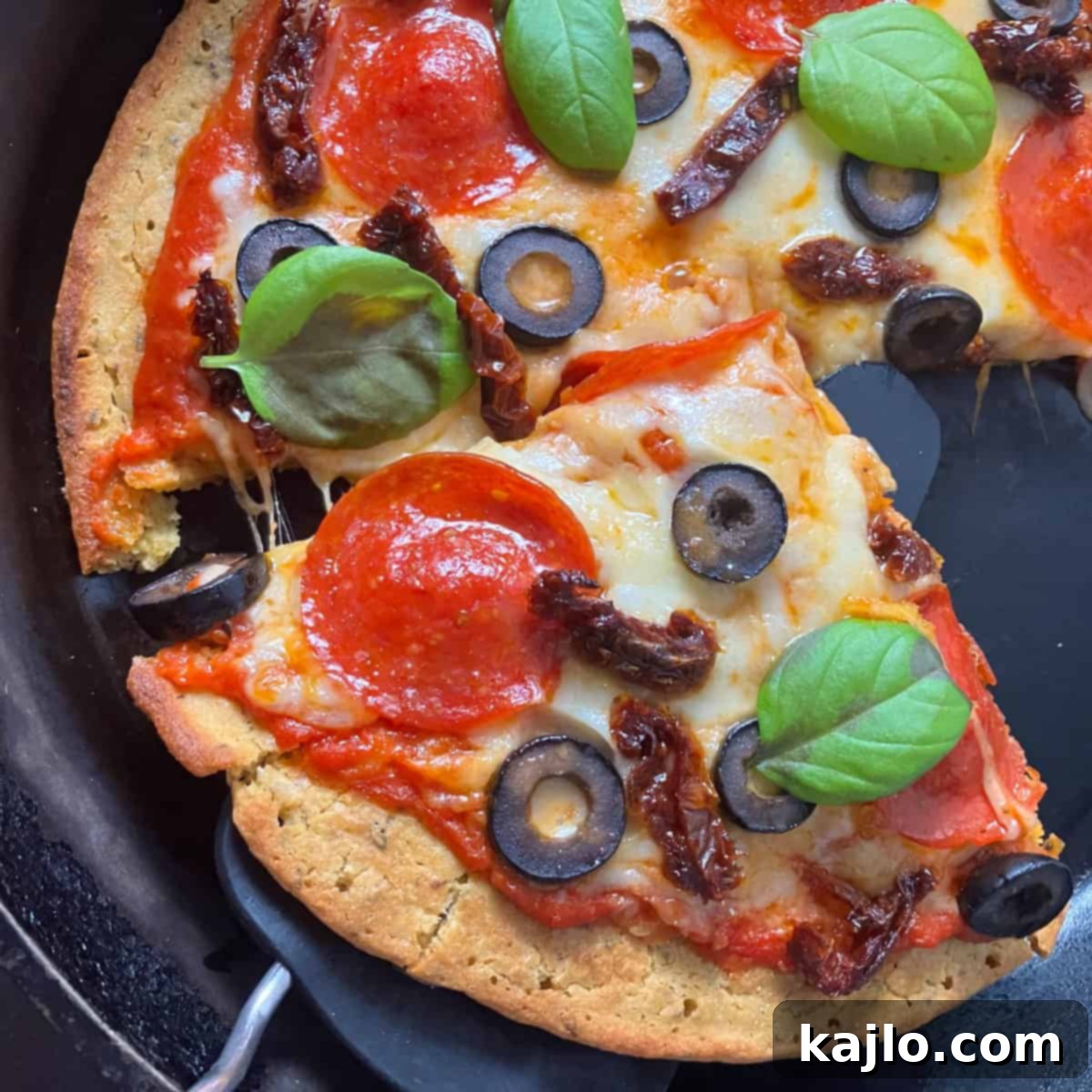
- Your Favorite Pizza Toppings: Unleash your creativity! Popular choices include pepperoni, black olives, sliced onions, fresh mushrooms, colorful bell peppers, cooked chicken, sun-dried tomatoes, or fresh basil.
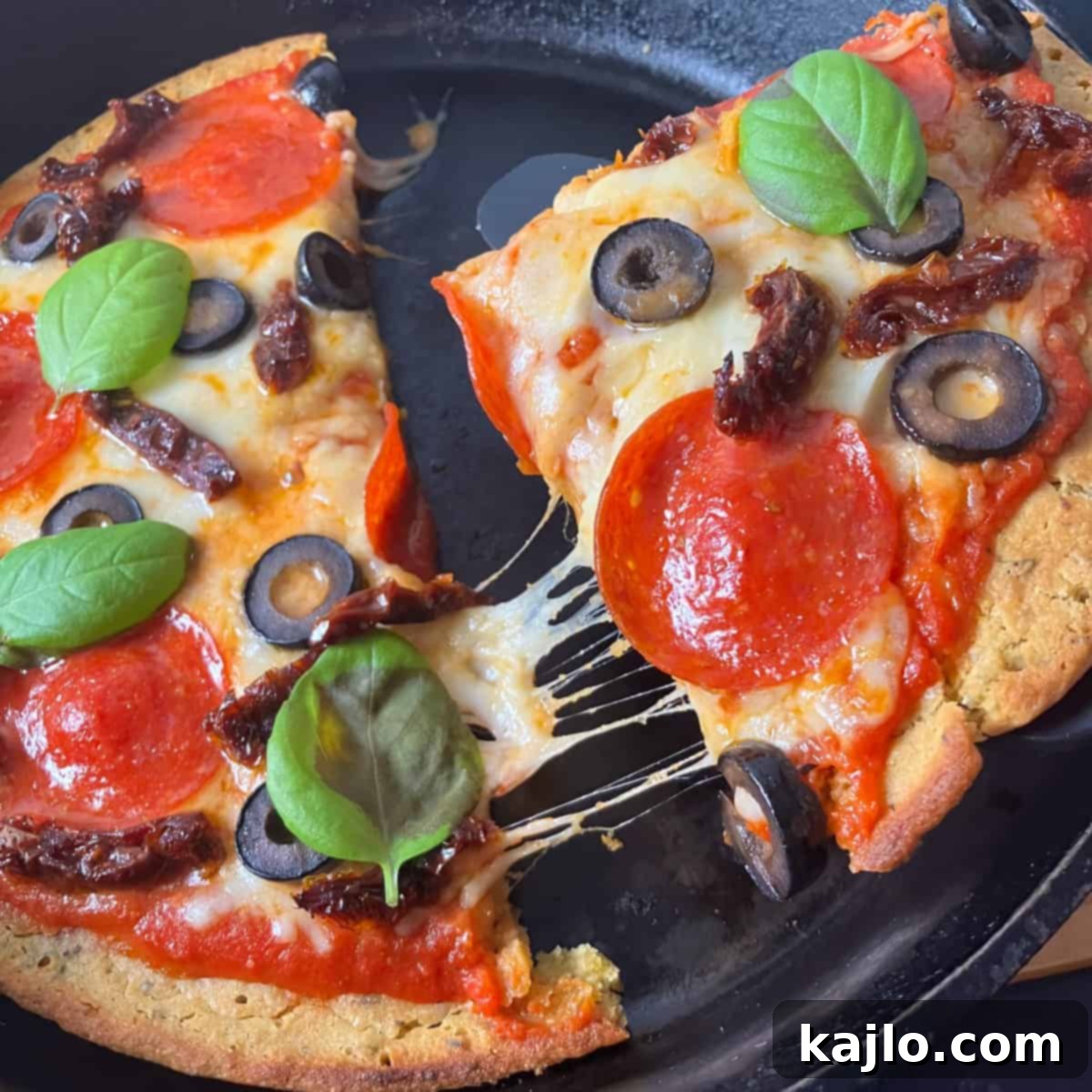
Unlike traditional wheat-based crusts, a crust made with chickpea flour will naturally have a slightly different texture – it’s dense, hearty, and offers a delightful chew. However, it’s still incredibly delicious and firm enough to hold all your favorite toppings without needing a fork!
➕ Step-by-Step Guide: How to Make Chickpea Pizza Crust
Making a delicious chickpea flour pizza base is simpler than you might think. Follow these clear, step-by-step instructions for a perfect crust every time:
- Prepare the Batter: In a mixing bowl, combine the chickpea flour, water, dried basil, dried oregano, salt, and 1½ tablespoons of olive oil. Whisk continuously until the mixture is completely smooth and free of lumps. This creates a uniform batter crucial for an even crust. Allow the batter to rest for at least 30 minutes. This resting period is important as it allows the flour to fully hydrate, resulting in a more tender and less gritty crust.
- Preheat Oven and Skillet: Preheat your oven to a high temperature of 450°F (232°C). Crucially, during the final five minutes of the batter resting period, switch your oven to a high broil setting. Place an 11-inch (27.9 cm) cast iron skillet into the preheating oven. A hot skillet is key to achieving a crispy bottom crust.
- Form the Crust: Carefully remove the hot skillet from the oven using oven mitts. Add the remaining 1 tablespoon of olive oil to the skillet and swirl it around to thoroughly coat the bottom and a little up the sides. Pour the chickpea flour batter into the hot skillet. Immediately and carefully tilt the skillet to ensure the batter spreads evenly and completely covers the bottom. If the batter appears too thick in certain areas, quickly use the back of a spoon to spread it out.
- Initial Stovetop Cooking: Place the skillet on your stovetop over medium-high heat. Cook for 3-5 minutes. During this phase, it’s normal for large bubbles to form in the batter. This stovetop cooking step is vital for developing a firm, non-soggy base before it goes into the oven.
- Broil for Firmness: Transfer the skillet to the oven, placing it on a rack positioned about one-third of the way down from the top heating element. Broil on high for approximately 5 minutes. Keep a close eye on it, as broiler temperatures can vary. The goal is for your chickpea crust to become firm and almost fully cooked.
- Add Toppings: Carefully remove the firm crust from the oven. If any large air bubbles have formed, gently pat them down with the back of a spoon to create a flatter surface. Now, it’s time to add your sauce. Thinly spread the pizza or tomato sauce over the crust. Remember, using too much sauce can lead to a soggy pizza, so a thin layer is best. Sprinkle the shredded mozzarella cheese evenly, then add your chosen pizza toppings (if using fresh basil, reserve it for after baking).
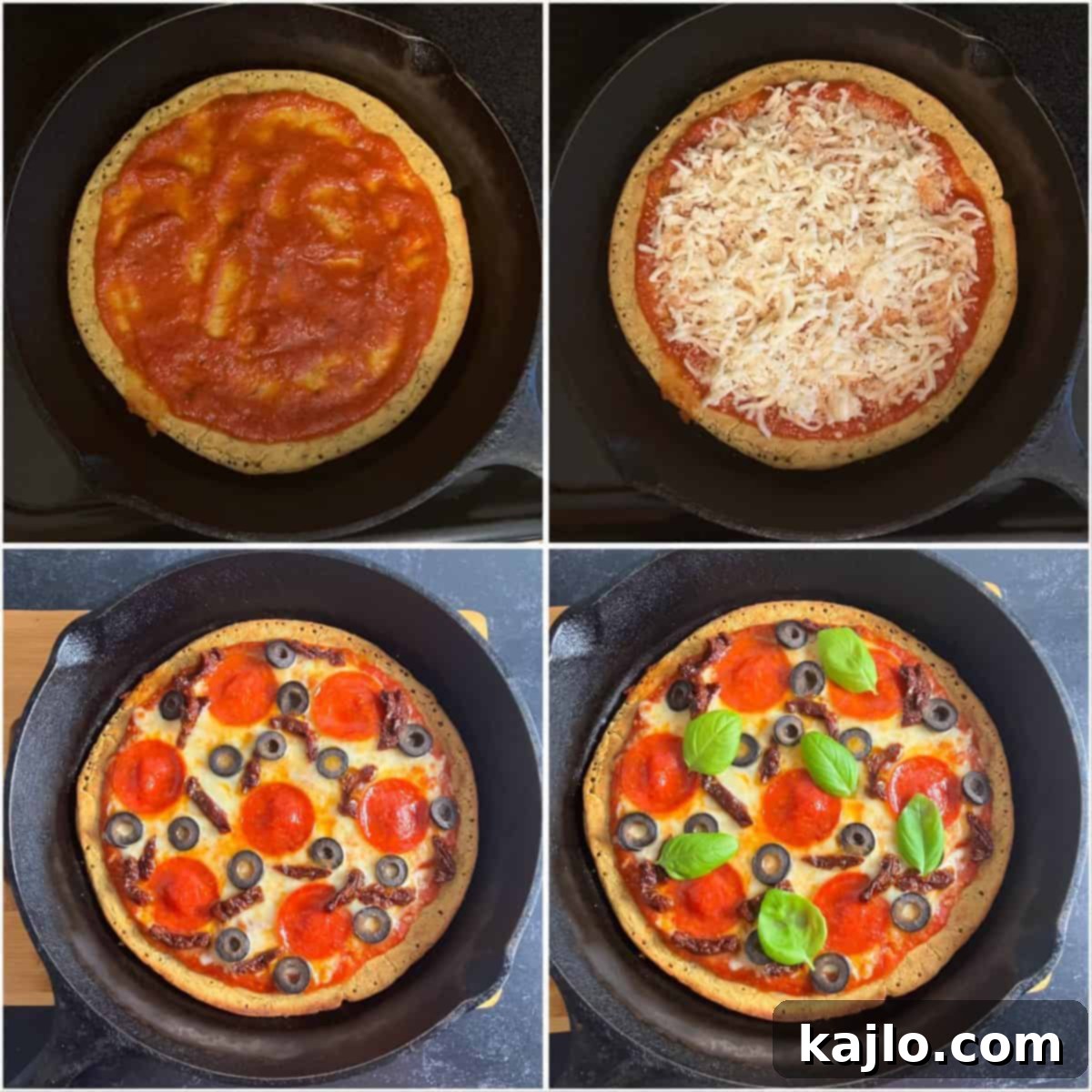
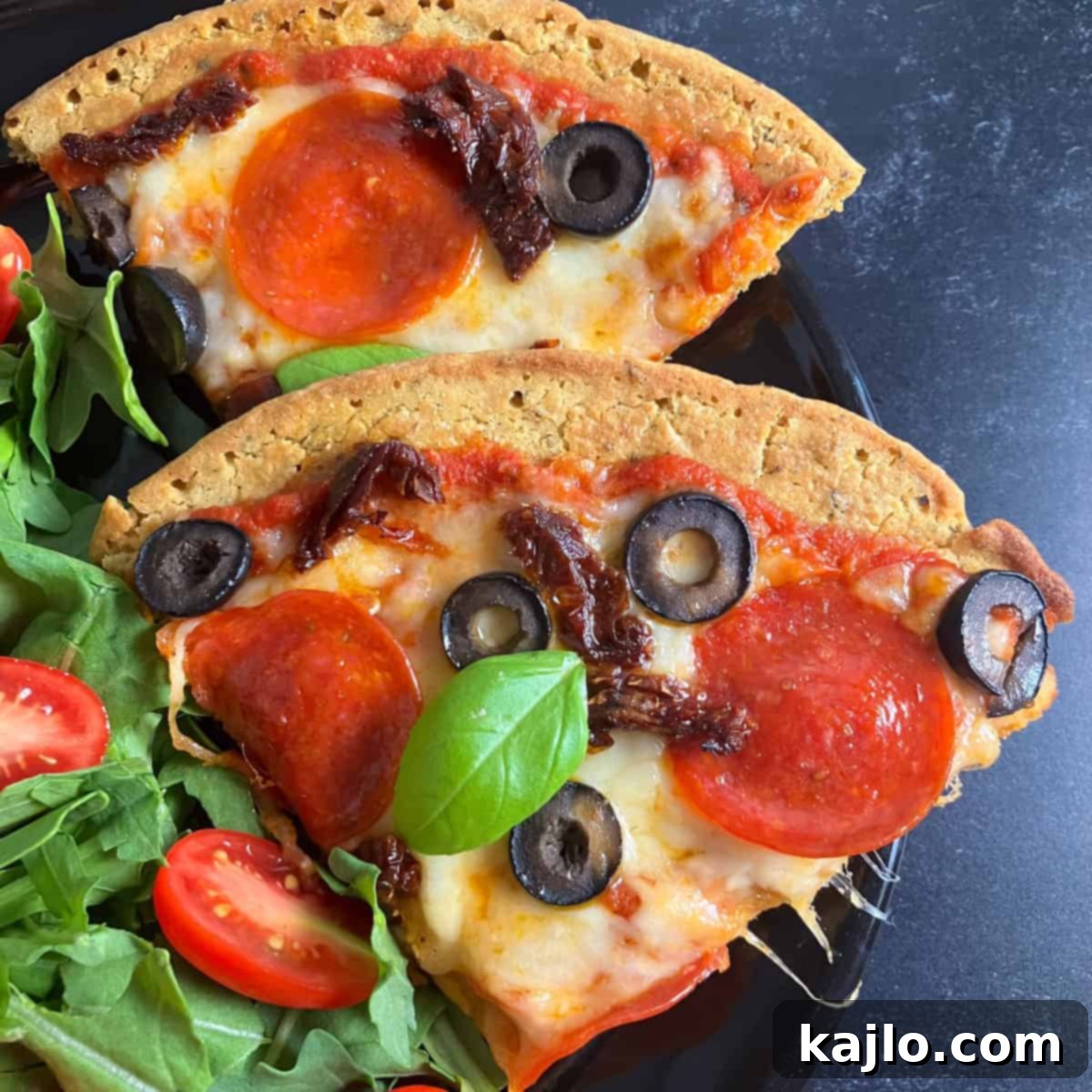
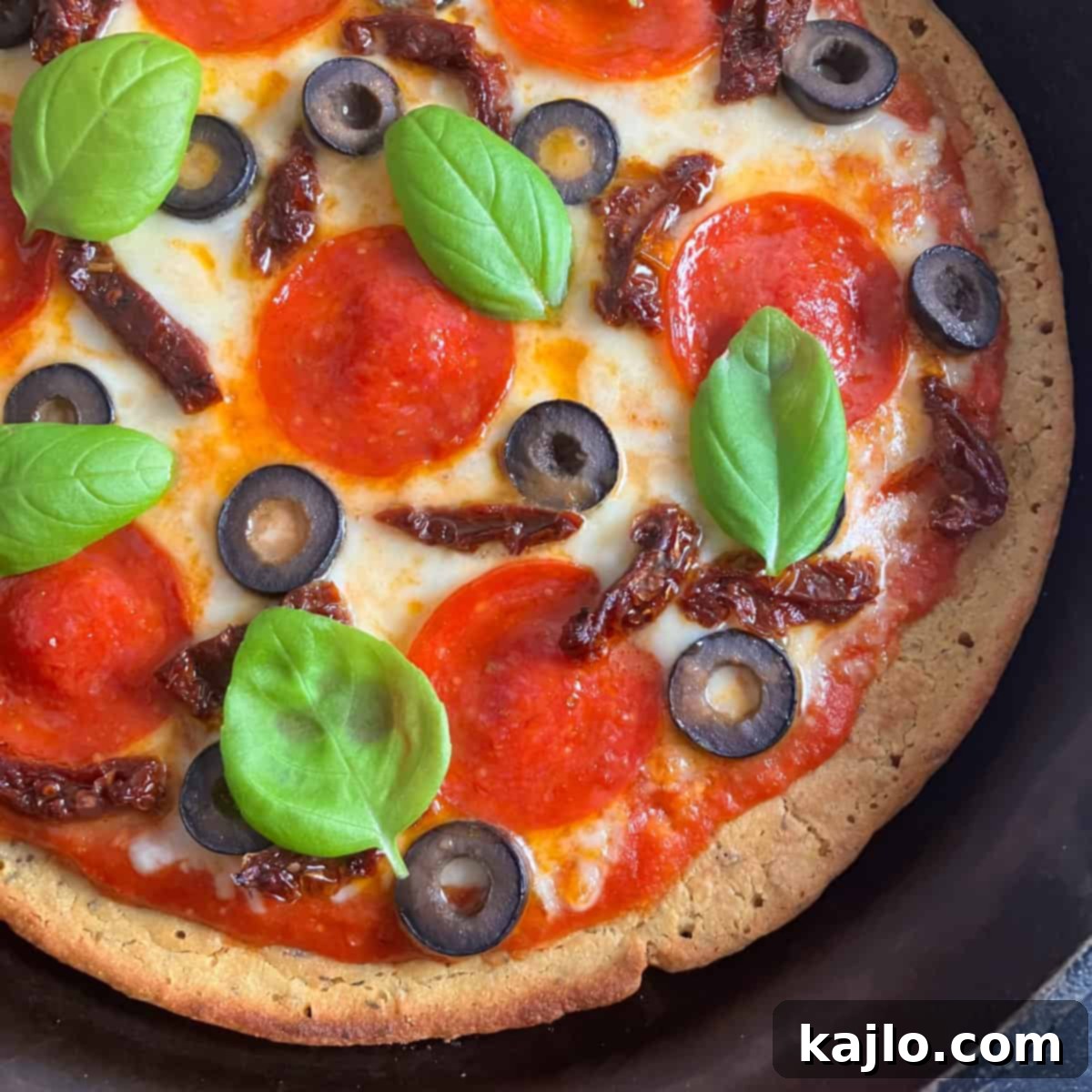
- Final Broil and Serve: Return the pizza to the oven under the broiler for an additional 3 minutes, or until the cheese is beautifully melted and bubbly. Once baked, let the pizza cool for a few minutes before cutting it into slices. This cooling time allows the crust to set further, preventing the slices from falling apart. If you find your slices are still a bit delicate, try cutting into 8 smaller slices rather than 4 larger ones. Garnish with fresh basil if desired, and enjoy your wholesome, homemade chickpea pizza!
Expert Tips for a Perfect Chickpea Flour Pizza Crust
Achieving a perfectly firm and delicious grain-free chickpea crust requires attention to a couple of key details. Follow these essential tips to ensure your pizza crust holds up beautifully to all your favorite toppings:
Tip 1: The Stovetop Sear is Crucial. The secret to a non-soggy, sturdy crust lies in pre-heating it on the stovetop in a cast iron skillet for 3-5 minutes *before* transferring it to the oven for broiling. This initial stovetop cooking method helps to dry out the batter and create a foundational crispness that will support your toppings without collapsing. While this step might cause some large bubbles to form in the thick batter, don’t fret! Simply pat them down gently with the back of a spoon before you add your sauce. This small effort makes a significant difference in the final texture of your chickpea pizza base.
Tip 2: Mind Your Moisture. Be judicious with toppings that add a lot of moisture. Overloading your pizza with wet ingredients, especially too much sauce, is the quickest way to end up with a soggy crust. From extensive testing, we’ve found that ½ cup of tomato sauce, while seemingly standard for other pizzas, can be excessive for this delicate chickpea crust. Stick to ⅓ cup of sauce – it might look like a meager amount when you’re spreading it, but trust us, it will be absolutely perfect. A thinner layer allows the crust to remain crispy and flavorful.
Storing and Reheating Your Chickpea Crust Pizza
Should you be lucky enough to have leftovers (it’s hard to resist!), chickpea pizza can be stored in the refrigerator for up to 3-4 days. If you’ve used fresh basil as a topping, it’s best to remove it before storing to prevent it from wilting and potentially making the pizza soggy. To bring your chickpea flour pizza back to its crispy glory, we recommend reheating it using an air fryer. Simply heat the topped pizza at 400°F (200°C) for about 3 minutes. If you have an air fryer oven, use the top rack for optimal crispness. This method ensures a perfectly reheated slice that’s just as good as fresh!
🔥 Chickpea Flour Pizza Dough with Yeast: Is It Necessary?
You might wonder if you need to use yeast to make a light and airy chickpea flour pizza crust. The short answer is: for this specific recipe, no. Our garbanzo bean pizza crust recipe intentionally skips leavening agents like yeast or baking powder. It’s designed as a simple, unleavened flatbread (socca-style) that provides a fantastic, naturally firm base for pizza without the extra steps and complexity of working with yeast. Since chickpea flour is naturally gluten-free, creating a yeast-based dough often requires a blend of different gluten-free flours and starches to achieve the right elasticity and structure. By sticking to a non-yeast recipe, we make the process much easier, requiring only chickpea flour as the specialty ingredient. This approach ensures a delicious, robust crust with minimal fuss, making it arguably the best chickpea flour pizza crust recipe for those seeking simplicity and great taste.
🥫 Can You Make Pizza Crust from Canned Chickpeas?
While this recipe focuses on using chickpea flour, it is technically possible to make a pizza crust from canned chickpeas. This would typically involve pureeing the canned chickpeas and then adding a binder, such as additional flour or other ingredients, to achieve a dough-like consistency. However, a crust made from pureed canned chickpeas tends to be more delicate and may fall apart more easily compared to a crust made directly from chickpea flour. For a more reliable and sturdier homemade chickpea pizza crust that can handle various toppings and slicing, using chickpea flour is generally the superior method. Chickpea flour provides a natural structure and binding capability that pureed whole chickpeas often lack, resulting in a more satisfying pizza experience.
🍞 Nutritional Insights: Carbs in Chickpea Pizza Crust
For those mindful of their carbohydrate intake, it’s important to understand the nutritional profile of this chickpea pizza crust. This specific chickpea pizza crust (without toppings beyond sauce and cheese) contains approximately 36.1 grams of net carbs per serving. When you include typical pizza toppings, the net carb count rises slightly to about 37.7 grams per serving. While this makes it a fantastic gluten-free chickpea pizza crust with no flour in the traditional sense, it is not considered suitable for strict ketogenic diets due to its carbohydrate content. However, it can certainly be incorporated into more flexible low-carb eating plans, such as diabetic carbohydrate exchanges, where the focus is on managing overall carb intake rather than extremely low levels.

👨⚕️ Comprehensive Chickpea Pizza Crust Nutrition Information
Beyond its delicious taste, this chickpea pizza crust offers an impressive nutritional profile, especially when compared to traditional white flour crusts. Here’s a detailed breakdown of the nutrition information for one serving of this chickpea crust pizza (calculated with tomato sauce and mozzarella cheese toppings only):
- Calories: 533 kcal
- Total Fat: 30.2g
- Saturated Fat: 7.8g
- Cholesterol: 30mg
- Sodium: 1041.7mg
- Total Carbohydrate: 47.3g
- Dietary Fiber: 11.2g (contributing significantly to daily fiber goals)
- Net Carbohydrates: 36.1g
- Total Sugar: 3.7g
- Protein: 21.3g (making it a truly high-protein pizza option)
- Vitamin A: 7.1% DV
- Vitamin C: 0% DV
- Potassium: 910mg
- Iron: 27.7% DV
- Calcium: 39.7% DV
For those following a plant-based diet, this chickpea flour pizza crust can be easily adapted to be vegan. Simply opt for vegan cheese alternatives and select other dairy-free pizza toppings. This makes it an incredibly versatile and inclusive meal option!
👩🏻🍳 Explore More Pizza Recipes
If you’re looking to expand your pizza repertoire, or perhaps a more traditional crust option piques your interest, we have plenty of other delicious recipes to explore. For those who prefer a classic thin and crisp crust (and are not adhering to gluten-free diets), our spelt flour pizza dough recipe is an excellent choice. Additionally, check out these other fantastic pizza-inspired dishes:
- Frozen Cauliflower Crust Pizza in Air Fryer
- English Muffin Pizza in Air Fryer
- Totino’s Pizza Rolls (Air Fryer)
Chickpea Pizza Crust Recipe (Gluten-Free Socca Pizza Base)
Discover a higher fiber, higher protein pizza option with this incredible chickpea pizza crust. It’s naturally gluten-free and perfectly complements a diverse range of toppings, offering a healthier twist on a beloved classic!
Author: Summer Yule
Prep Time: 10 mins
Cook Time: 15 mins
Total Time: 25 mins
Yields: 2 servings
Course: Lunch
Cuisine: Italian
Calories: 533 kcal
Ingredients
For the Chickpea Pizza Crust:
- 120 grams chickpea flour (about 1 cup; weighing provides the best results)
- 1 cup water
- 2½ tablespoons olive oil, divided
- 1 teaspoon dried basil
- 1 teaspoon dried oregano
- ½ teaspoon salt
Topping the Chickpea Pizza:
- ⅓ cup pizza or tomato sauce (choose one with no added sugar for best flavor)
- 3 ounces (85 grams) shredded mozzarella cheese
- Other pizza toppings of choice (optional, e.g., 1 tablespoon sun-dried tomatoes, 1 tablespoon Parmesan cheese, 7 slices pepperoni, 2 tablespoons sliced olives, fresh basil)
Instructions
- Whisk together the chickpea flour, water, dried basil, dried oregano, salt, and 1½ tablespoons of olive oil in a bowl until thoroughly combined and lump-free. Let the mixture rest for 30 minutes to allow the flour to fully hydrate.
- Preheat your oven to 450°F (232°C). During the last five minutes of the batter’s resting period, switch your oven to a high broil setting. Place an 11-inch (27.9 cm) cast iron skillet in the oven to heat up.
- Carefully remove the hot skillet from the oven. Add the remaining 1 tablespoon of olive oil, swirling to coat the bottom. Pour in the chickpea flour batter and carefully tilt the skillet to ensure the batter completely covers the bottom. If needed, quickly spread any thick areas with the back of a spoon.
- Heat the skillet on the stovetop over medium-high heat for 3-5 minutes. It’s normal for large bubbles to form in the batter during this step.
- Next, place the skillet in the oven, one-third down from the top. Broil on high for approximately 5 minutes. The chickpea crust should be firm and nearly cooked through.
- Remove the crust from the oven. Gently pat down any air bubbles with the back of a spoon if needed to flatten the crust. Thinly spread the pizza sauce over the crust, ensuring not to use too much to prevent sogginess.
- Sprinkle the mozzarella cheese over the sauce, then add your other desired toppings (excluding fresh basil, which should be added after baking).
- Return the pizza to the oven and broil on high for an additional 3 minutes, or until the cheese is melted and bubbly. Allow the pizza to cool slightly before garnishing with optional fresh basil leaves and cutting into slices. For easier serving, consider cutting into 8 slices. Enjoy your delicious homemade chickpea pizza!
Equipment
- Cast Iron Skillet
- Pizza Cutter
Notes
Expert Tips from Dietitian Summer Yule:
This recipe is considered suitable for weight maintenance and active lifestyles. While chickpea pizza crust offers more filling protein and healthy fiber than a classic white flour crust, remember that calorie deficits for weight loss may be more easily achieved by limiting flour-based products generally. We do not recommend trying to make this chickpea flour pizza crust oil-free to cut calories, as the oil is essential for ensuring your pizza slices release easily from the pan and achieve the desired crispness. The best side dishes for chickpea pizza are similar to those that pair well with regular pizza, such as fresh salads or roasted vegetables. For specific ideas, consider our Vegan Spinach Salad, Air Fryer Eggplant Fries (Keto), Costco Cauliflower Rice, Trader Joe’s Cauliflower Gnocchi, or Air Fryer Garlic Bread.
Nutrition information is for one serving of pizza (with tomato sauce and mozzarella cheese toppings only).
Nutrition Disclaimer: All recipes on this website may or may not be appropriate for you, depending on your medical needs and personal preferences. Consult with a registered dietitian or your physician if you need help determining the dietary pattern that may be best for you. The nutrition information provided is an estimate and offered as a courtesy. It may vary based on the specific brands and ingredients you use. Please remember that calorie information on food labels can sometimes be inaccurate, so focus more on balanced eating rather than sweating the exact numbers. “To taste” in recipes refers to adjusting according to your preferences, though visual cues may be necessary to adhere to food safety guidelines. Always ensure food is cooked thoroughly.
Nutrition Facts
- Calories: 533 kcal
- Carbohydrates: 47.3g
- Protein: 21.3g
- Fat: 30.2g
- Saturated Fat: 7.8g
- Sodium: 1041.7mg
- Potassium: 910mg
- Fiber: 11.2g
- Vitamin A: 7.1% DV
- Calcium: 39.7% DV
- Iron: 27.7% DV
Keywords: chickpea pizza crust, chickpea flour pizza crust, gluten-free pizza, high fiber pizza, high protein pizza, socca pizza, garbanzo bean pizza crust, homemade chickpea pizza, easy chickpea pizza, healthy pizza crust
Shop our cookbook:Easy Air Fryer Recipes for One
Burning your air fryer recipes? Here’s how to fix it!
FAQs About Chickpea Pizza Crust
Here are answers to some common questions about making and enjoying chickpea pizza:
Where can I buy a chickpea flour pizza base?
If you prefer a ready-made option, Banza chickpea pizza crust is widely available at many popular grocery stores across the U.S., including major retailers like Walmart, Target, Stop & Shop, Winn Dixie, and Publix. You can also conveniently purchase it online through platforms like Amazon.
What are the ingredients in Banza chickpea pizza crust?
For those curious about commercial alternatives, the ingredients for Banza’s plain crust pizza typically include: Chickpeas, Water, Tapioca, Cocoa Butter, Olive Oil, and less than 2% of: Yeast, Oregano, Garlic Powder, Salt, Date Powder, Sunflower Lecithin, Xanthan Gum, and Baking Powder. This blend helps to create their characteristic texture and flavor.
Does chickpea flour need to be soaked?
For this specific chickpea pizza crust recipe, there is no need to soak the chickpea flour. Adding extra moisture through soaking would alter the batter consistency significantly and could cause your pizza crust to become too delicate and potentially fall apart. Only soak chickpea flour if a particular recipe explicitly calls for it, as it’s not a universal requirement.
Can you eat chickpea flour raw?
No, it is not recommended to consume raw chickpea flour or raw chickpeas. Uncooked chickpeas, and by extension their flour, can be quite bitter and contain certain substances that may cause digestive discomfort. It’s essential to cook chickpea flour thoroughly before eating. On the other hand, canned chickpeas are already precooked and entirely safe to eat straight from the can.
What are some other names for chickpea flour pizza?
Chickpea flour pizza is known by several names across different cultures and regions. You might hear it referred to as gram flour pizza base (using the Indian term for chickpea flour), besan pizza, the French socca pizza, or simply garbanzo bean pizza crust. All these terms point to the same delicious, naturally gluten-free pizza alternative made from ground chickpeas.
Join our community! Subscribe for all the latest and greatest recipes, and follow us on Facebook, Pinterest, Instagram, and YouTube!