
Mastering Beef Kidney: A Comprehensive Guide to Tender, Flavorful Offal
Discover the secrets to cooking delicious and tender beef kidney with this easy-to-follow sautéed recipe. Whether you’re preparing cow kidney or ox kidneys, this guide will help you achieve a rich flavor and perfect texture every time. Packed with essential protein, beef kidney is a naturally Paleo, low-carb, keto, and gluten-free superfood. Learn where to find high-quality raw beef kidneys, explore their impressive nutritional benefits, and get all the tips you need to confidently add this incredible organ meat to your culinary repertoire.

“We have this on toast with poached eggs on top for breakfast; you can’t beat it!”
– Frank
Unlocking the Delicious Potential of Beef Kidney
Many wonder, “Do beef kidneys taste good?” The truth is, organ meats like cow kidney and ox kidney have a distinct, strong flavor. However, with the right recipe for beef kidney and proper preparation techniques, you can transform this often-overlooked offal into a tender, flavorful, and incredibly nutritious dish. The key lies in understanding how to manage its robust taste and achieve a desirable texture.
There are generally two primary methods for cooking kidney beef to prevent it from becoming tough and rubbery. The first involves quick cooking over high heat, as demonstrated in this pan-frying or sautéing method. This ensures a crisp exterior and tender interior without overcooking. The second approach is slow cooking over low heat, perfect for dishes like braises, stews (such as classic steak and kidney stew), or even confit preparations. Both methods, when executed correctly, yield wonderfully tender results.
This particular ox kidney recipe focuses on a quick-cooking technique that is my personal favorite. After a crucial soaking step, you can have this flavorful beef kidneys recipe ready to serve in under 15 minutes. All you’ll need are a few basic kitchen tools: a sharp knife for trimming, a spatula for stirring, and a sturdy cast iron skillet to achieve that perfect sear.
If you’re new to organ meats or find the natural taste of kidneys particularly strong, a clever trick is to finely chop or grind them and mix them into ground meat mixtures. Combining beef kidney with ground beef in burgers, meatballs, or meatloaf can significantly mellow its flavor while still allowing you to reap its impressive nutritional benefits. This method makes organ meats more approachable for those with sensitive palates.
🔪 How to Prepare and Cook Beef Kidney: A Step-by-Step Guide
Wondering how to prepare beef kidneys for cooking? The journey to tender and delicious beef kidney begins with proper preparation. Follow these step-by-step directions to ensure your kidneys are clean, mild, and ready for sautéing.
Thaw Properly: If your beef kidney is frozen, ensure it’s completely thawed before proceeding. The best way to do this is by transferring it to the refrigerator 24-48 hours in advance. This slow defrosting helps maintain its texture and quality.

Clean and Trim: Begin by cutting the beef kidneys in half lengthwise using a sharp knife. This exposes the internal structure. Carefully trim away the tough white lining and the firm white core/fat from the center. This step is crucial for both flavor and texture, as these parts can contribute to a gamey taste and rubbery consistency. The trimmed kidney fat can even be rendered into flavorful tallow if you wish, reducing waste.
The Essential Soak: Place the trimmed beef kidney pieces in a bowl and cover them completely with buttermilk. Allow them to soak for 1-2 hours in the refrigerator. This step is non-negotiable for achieving the best results! Buttermilk’s mild acidity and enzymes work wonders in both tenderizing the kidney tissue and neutralizing any strong, off-putting odors. You’ll typically need about 2 cups of buttermilk to fully submerge the kidney pieces.
Rinse and Dry: After the soaking period, thoroughly rinse the beef kidney pieces under cold running water. Pat them completely dry with paper towels. If you detect any lingering strong aroma, a quick optional step is to rub the pieces with a small amount of baking soda and rinse again before drying. This can further help neutralize odors, though I often find it unnecessary after a good buttermilk soak.
Cube and Season: Cut the prepared kidney into uniform small cubes, roughly ½ to 1 inch (1.27-2.54 cm) in size. This ensures even cooking. Season generously with salt and freshly ground black pepper.

Sauté the Kidney: Heat 3 tablespoons of your preferred cooking oil (such as avocado or olive oil) in a cast iron skillet over medium-high heat until shimmering. Add the seasoned kidney pieces to the hot skillet in a single layer, ensuring not to overcrowd the pan. Sear them for 3-5 minutes, stirring and flipping occasionally, until they are beautifully browned on all sides and cooked through. Be mindful not to overcook them, as beef kidney can toughen quickly and become rubbery if left on the heat for too long.
Sauté Aromatics: Once the kidney pieces are cooked, transfer them to a plate and set aside. In the same hot skillet, add 1 large thinly sliced onion, 1 cup of sliced mushrooms, and 3 minced cloves of garlic. Sauté these aromatics over medium-high heat, stirring occasionally, for about 10 minutes, or until the onions are softened and translucent, and the mushrooms have released their moisture.
Deglaze and Serve: Return the cooked beef kidney cubes to the skillet with the softened vegetables. Pour in ¼ cup of red wine. Stir well, scraping up any browned bits stuck to the bottom of the skillet (this is called deglazing and adds incredible flavor). Heat through for another minute or two, allowing the wine to reduce slightly. Serve immediately and enjoy your perfectly cooked beef kidney!

Elevating Flavor: Seasoning Your Beef Kidney
While this recipe keeps the seasoning simple to highlight the natural flavors of the kidney and vegetables, don’t hesitate to experiment and personalize your dish. Beef kidney pairs wonderfully with a variety of herbs and spices. Here are some excellent seasoning options to enhance your cow kidney recipe:
- Salt and black pepper: Always the foundation for any savory dish.
- Steak seasoning: A blend of savory spices that complements red meat.
- Rosemary: Earthy and aromatic, fantastic with beef.
- Thyme: Adds a subtle, savory, and slightly floral note.
- Parsley: Fresh and herbaceous, great as a garnish or mixed in.
- Oregano: Pungent and slightly bitter, adds depth.
- Basil: Sweet and peppery, a lovely addition for complexity.
- Red pepper flakes: For a gentle kick of heat.
- Cayenne pepper: If you prefer a bolder, spicier profile.
For an extra layer of richness and crunch, consider sprinkling some cooked, crumbled bacon over the beef kidneys just before serving. The smoky, salty bacon bits provide a delightful contrast to the tender organ meat.
❓ Do you have to soak kidneys before cooking?
Yes, soaking beef kidneys before cooking is highly recommended for best results. The process significantly tenderizes the meat and helps eliminate any strong, gamey odors. Buttermilk is my preferred choice for soaking, but a mixture of water and lemon juice or vinegar can also be effective. While some recipes suggest you can skip the soak if boiling beef kidneys, for sautéing or pan-frying, a pre-soak is essential for a truly palatable dish.
Why do you soak kidneys in milk (or buttermilk)?
The soaking process, particularly in buttermilk or milk, serves a dual purpose: it tenderizes the kidney and is the most effective answer to “how do you get rid of beef kidney smell?” Kidneys are responsible for filtering waste and producing urine, which means they can carry a distinct, strong odor if not properly cleaned and pre-treated. The lactic acid in buttermilk (or milk) helps to break down tougher fibers in the organ meat, resulting in a more tender texture. Additionally, the mild acidity neutralizes the compounds responsible for the strong, sometimes metallic or gamey, aroma. Beef kidneys are generally tougher than kidneys from younger animals (like lamb or veal), making the tenderizing benefit of soaking particularly valuable.
🤔 How long does it take beef kidneys to cook?
For this sautéed beef kidney recipe, the kidney pieces are cooked quickly for a mere 3-5 minutes over medium-high heat. The goal is to brown the exterior while keeping the interior tender and succulent. Like beef steak, the minimum safe internal temperature for beef kidney, according to food safety guidelines, is 145°F (63°C). While you can use a meat thermometer to confirm this temperature, be aware that reaching 145°F (63°C) can sometimes result in beef kidney that is quite firm. Many culinary enthusiasts, much like with steaks, prefer beef kidney cooked to a medium-rare doneness for optimal tenderness and juiciness. The key is to cook quickly and avoid overcooking to prevent a tough, rubbery texture.
🥩 Exploring Other Beef Kidney Recipes and Culinary Traditions
Beyond sautéing, beef kidney is a versatile ingredient enjoyed in diverse cuisines worldwide. From traditional British pies to vibrant Jamaican stews, there are countless ways to prepare this nutritious organ meat. How to cook beef kidney Jamaican style? Can you fry beef kidney? Absolutely! Here are a few more popular ways to use beef kidney, showcasing its adaptability:
- Crispy Fried Kidneys: Learn how to fry ox kidneys to a perfect crisp, often served with rich sauces or as part of a hearty breakfast. Find a recipe here.
- Steak and Kidney Pie: A quintessential British comfort food, featuring tender beef and kidney in a savory gravy, encased in a flaky pastry. Try this classic recipe.
- Jamaican Stewed Kidney: A flavorful and spicy stew, often featuring a medley of vegetables and Caribbean spices. Explore the Jamaican style here.
- Vietnamese Beef Kidney: Often prepared with vibrant herbs, spices, and stir-fry techniques, offering a fresh and aromatic experience. Discover a Vietnamese recipe here.
- Chinese Beef Kidney: Commonly stir-fried with ginger, garlic, and rich sauces, known for its distinct texture and bold flavors. Find a Chinese preparation here.
- Mexican Beef Kidney: Often incorporated into stews or tacos, seasoned with robust chili peppers and other traditional Mexican spices. Watch a Mexican recipe video.
- Steak and Kidney Pudding: Another British staple, similar to the pie but steamed in a suet crust, creating a moist and rich dish. Recipe for steak and kidney pudding.
- Steak and Kidney Casserole: A hearty and comforting slow-cooked dish, perfect for cooler weather, allowing the flavors to meld beautifully. Find a casserole recipe.
- Grilled Kidney Skewers: Popular in many cultures, grilling imparts a smoky flavor. Often marinated and cooked quickly over open flame. Explore Moroccan grilled kebabs.
- Indian Curried Kidneys: Typically made with lamb kidney, but adaptable to beef, featuring a rich, aromatic, and often spicy curry sauce. Check out an Indian recipe.
- French Beef Kidney (Rognons de Veau): Often prepared in a butter and mustard sauce, showcasing elegant and refined flavors. While traditionally veal, beef kidney can be adapted. Discover a French-inspired recipe.
💸 Where to Buy Beef Kidney: Sourcing Tips
Finding beef kidney near me can sometimes be a challenge, as it’s not always a standard offering at mainstream grocery stores. However, the beef kidney price is often significantly lower than premium muscle meats, making it a highly economical and nutritious choice. Here’s how to source it:
Local Options:
- Butcher Shops: Your local independent butcher is often the best place to start. They frequently carry or can order specialty cuts and organ meats.
- Beef Farmers Markets: Farmers who sell directly to consumers may offer beef kidney, especially if you inquire in advance. This is a great way to support local agriculture and get fresh, high-quality offal.
- International Food Markets: Asian, African, or Latin American markets are excellent resources for organ meats like beef kidney, as these are often staples in their traditional cuisines. You can typically find very affordable options here.
I’ve personally found it difficult to locate beef kidney at large chain supermarkets like Walmart or Whole Foods, so focusing on specialized retailers is usually more productive.
Online Options:
If local options are limited, buying beef kidneys online is a convenient alternative. Reputable online meat purveyors often ship directly to your door. For example, US Wellness Meats frequently offers grass-finished and grass-fed beef kidney, which you can purchase here. At the time of writing, it costs approximately $8.92 per pound, offering excellent value for its nutritional density.
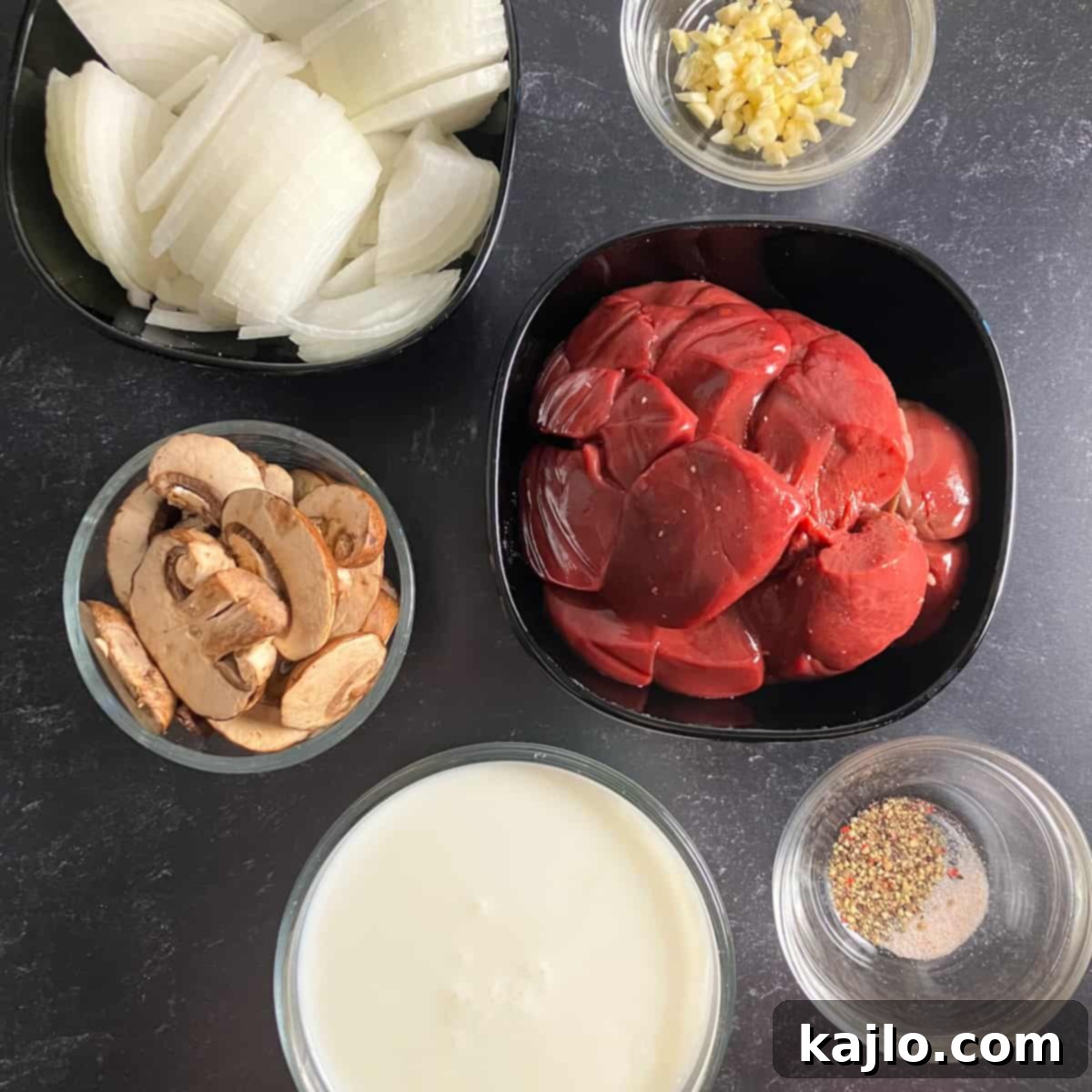
A single beef kidney typically weighs around 1 lb (0.45 kg), making it a suitable size to feed a family of four. Always ensure that the beef kidney you purchase is intended for human consumption, not pet food, to guarantee quality and safety.
Another excellent option for those looking to incorporate organ meats subtly is to purchase ground beef blends that include heart, liver, and kidney. This makes it easier to mix into familiar recipes without a strong offal taste. You can find such a blend, like a 75% lean ground beef with heart, kidney, and liver, available here.
🌡️ Can you freeze beef kidney?
Yes, both raw and cooked beef kidneys can be frozen, which is a great way to extend their shelf life. Raw beef kidneys are highly perishable and should be used within 1-2 days if stored in the refrigerator, though some sources suggest up to 3-4 days. For longer storage, freezing is ideal. I recommend storing them in a vacuum-sealed freezer bag to prevent freezer burn and maintain quality for several months. While cooked ox kidney can also be frozen, it is generally best enjoyed freshly prepared, as reheating can sometimes affect its texture. If you do freeze cooked kidney, ensure it’s properly sealed and reheat gently to preserve tenderness.
What to serve with beef kidney?
This savory cow kidney recipe is incredibly versatile and pairs well with a variety of side dishes. For a classic and comforting meal, serve it over a slice of buttered toast, crusty crostini, or even with a side of potato chips for a textural contrast. It also complements heartier options like pasta, creamy mashed potatoes, sweet potato mash, or fluffy rice beautifully. Here are some other delightful side dishes that enhance the flavors of beef kidneys:
- Cauliflower Rice: A low-carb alternative that absorbs flavors wonderfully.
- Canned Asparagus: A quick and easy green vegetable side.
- Air Fryer Frozen Green Beans: Crispy and healthy, a simple addition to your meal.
- Vegan Spinach Salad: A refreshing and light salad to balance the richness of the kidney.
⭐ The Nutritional Powerhouse: Beef Kidney Benefits
Curious about the remarkable beef kidney health benefits? Beef kidney is a true superfood, offering an astonishing array of vitamins and minerals. Let’s delve into the nutrition facts for a standard 4-ounce (113-gram) serving, according to Cronometer, highlighting why it’s such a valuable addition to your diet:
- Calories: 112 kcal
- Carbohydrates: 0 gram
- Fiber: 0 grams
- Fat: 3.5 grams
- Saturated Fat: 0.66 grams
- Cholesterol: 466 mg
- Protein: 20 grams
- Thiamin (Vitamin B1): 27% DV (Daily Value) – Essential for energy metabolism.
- Riboflavin (Vitamin B2): 189% DV – Crucial for cellular growth and function, and breaking down fats and carbohydrates.
- Niacin (Vitamin B3): 46% DV – Supports energy production and DNA repair.
- Pantothenic Acid (Vitamin B5): 45% DV – Vital for synthesizing fatty acids and cholesterol.
- Vitamin B6: 38% DV – Involved in protein, fat, and carbohydrate metabolism and red blood cell formation.
- Vitamin B12: 520% DV – Absolutely critical for nerve function, DNA synthesis, and red blood cell production. Beef kidney is an exceptional source.
- Folate (Vitamin B9): 28% DV – Important for cell growth and the formation of DNA.
- Vitamin A: 32% DV – Essential for vision, immune function, and skin health.
- Vitamin C: 18% DV – A powerful antioxidant, though some is lost during cooking.
- Vitamin D: 13% DV – Rarely found in significant amounts in unfortified foods, vital for bone health and immune support.
- Calcium: 1.5% DV – Important for bones and teeth.
- Iron: 29% DV – A rich source of highly bioavailable heme iron, crucial for oxygen transport and preventing anemia.
- Magnesium: 5% DV – Supports muscle and nerve function, blood sugar control, and blood pressure regulation.
- Phosphorus: 29% DV – Plays a key role in bone health, energy production, and cell repair.
- Potassium: 9% DV – Important for fluid balance and nerve signals.
- Selenium: 228% DV – A potent antioxidant, vital for thyroid function and immune health.
- Sodium: 8.6% DV – Important for fluid balance.
- Zinc: 15% DV – Crucial for immune function, wound healing, and DNA synthesis.
As you can see, beef kidney is an incredibly lean protein source, remarkably low in calories and total fat compared to many other cuts of beef. While it is high in dietary cholesterol, modern nutritional science suggests that dietary cholesterol has a lesser impact on blood cholesterol levels for most people than saturated fat. Fortunately, beef kidney is notably low in saturated fat, making it a heart-friendly choice for many.
“How much protein is in a cow kidney?” A 4-ounce (113-gram) serving of beef kidney delivers an impressive 20 grams of high-quality protein, making it an excellent food for muscle building and satiety.
The overall nutrient profile of beef kidney is truly outstanding. It stands out as an excellent source of numerous B vitamins, including Thiamin, Riboflavin, Niacin, Pantothenic Acid (Vitamin B5), Vitamin B6, Folate, and an extraordinary amount of Vitamin B12. Since B vitamins are water-soluble and not stored in large quantities by the body, consuming such rich sources regularly can help ensure adequate intake without concerns of toxicity from these specific nutrients.
Furthermore, beef kidney provides a significant amount of highly bioavailable heme iron, which is easily absorbed by the body, along with substantial levels of selenium and phosphorus. It’s also a good source of zinc, another crucial mineral for immune health and metabolic function. Uniquely, beef kidney is also a notable source of Vitamin D, a nutrient that is hard to find in many unfortified foods, contributing to bone health and overall well-being. While raw beef kidney is rich in Vitamin C, some of this delicate nutrient will naturally be diminished during the cooking process.
📋 Beef Kidney Calories & Nutritional Summary
Curious about the calorie count? Raw beef kidneys typically contain 112 calories per 4 ounces (113 grams). This particular beef kidney recipe, when prepared as directed, yields approximately 235 calories per serving, along with 4.7 grams of net carbohydrates and a robust 21.3 grams of protein. These macros make it a fantastic option for those following low-carb, keto, or paleo diets, offering significant nutrition without excessive carbohydrates or unhealthy fats.

FAQs About Beef Kidney
What are the best kidneys to eat?
While personal preference plays a significant role, many gourmands consider veal kidneys (also known as calves’ kidneys) to be the superior choice. They are praised for their exceptionally tender texture and delicate flavor, which is generally milder than adult beef kidney. However, beef kidney, when properly prepared as shown in this recipe, can also be incredibly delicious and offers a more robust flavor profile that some prefer. Lamb kidneys are also quite popular for their tenderness and relatively mild taste.
Can you eat kidney raw?
In the United States and many other regions, it is generally not recommended to eat raw meats, including beef kidney. Consuming raw or undercooked meats carries a higher risk of foodborne illness caused by bacteria or parasites. To ensure food safety, always cook beef kidney to the appropriate internal temperature.
Is beef kidney kosher?
Beef kidney is generally not considered kosher. According to Kashrut laws, certain fats (known as cheilev) found around the hindquarters of cattle must be removed for the meat to be kosher. The intricate nature of removing these fats, particularly from organs like the kidney, often makes it commercially unviable. Therefore, meat from the hindquarters, including kidneys, is typically not certified kosher.
Is cow kidney halal?
A cow kidney is considered Halal only if the animal was slaughtered and prepared according to Islamic dietary laws. This includes specific blessings and methods of slaughter. If you are seeking Halal beef kidney, you would need to purchase it from a certified Halal butcher or supplier. Many online retailers specialize in offering a variety of Halal meats, including Halal beef kidney.
Is beef kidney good for dogs?
Yes, beef kidney can be a nutritious addition to a dog’s diet when fed in moderation. It’s a rich source of vitamins and minerals that can benefit canine health. However, organ meats are very rich and should only constitute a small portion of a dog’s total diet, typically no more than 5-10% to avoid nutritional imbalances or digestive upset. Always introduce new foods slowly and consult with your veterinarian if you have concerns about your dog’s diet.
👩🏻🍳 Other Recipes for Organ Meats
If you’re looking to explore more delicious and nutritious organ meat recipes beyond beef kidney, here are some other fantastic options to try:
- Beef Hearts: A lean and flavorful muscle meat, surprisingly tender when slow-cooked or grilled.
- Chicken Hearts: Small, tender, and quick-cooking, excellent in stir-fries or skewers.
- Lamb Hearts: Similar to chicken hearts but with a richer, slightly gamey flavor, perfect for grilling or stewing.
- Cod Liver Pate: A luxurious and nutrient-dense pate, often combined with smoked oysters for enhanced flavor.
Watch How to Make It!

Beef Kidney Recipe (How to Cook Cow Kidney or Ox Kidneys)
Discover the best way to cook kidney with this easy sautéed beef kidney recipe, ensuring tender and flavorful results.
By Summer Yule
Ingredients
- 1 lb. beef kidney (454 grams)
- 2 cups buttermilk
- Salt and pepper, to taste
- 3 tablespoons oil (e.g., avocado oil)
- 1 large onion (quartered and thinly sliced)
- 1 cup sliced mushrooms
- 3 cloves garlic, minced
- ¼ cup red wine
Instructions
- Thaw frozen beef kidney by letting it defrost in the fridge for 24-48 hours.
- Clean beef kidneys by cutting them in half lengthwise with a sharp knife. Then trim the white lining and white core/fat from the center.
- Soak the beef kidneys in buttermilk for 1-2 hours in the refrigerator. Do not skip this step!
- After soaking, rinse the beef kidney pieces and pat them dry. If a strong aroma persists, you can rub them with a little baking soda and rinse again (optional).
- Cut the kidney into small cubes (½-1 inch or 1.27-2.54 cm). Season them with salt and pepper.
- Heat cooking oil in a cast iron skillet. Add the kidney pieces and brown for 3-5 minutes over medium-high heat, stirring and flipping them occasionally. Watch them closely to prevent overcooking, as they can quickly toughen.
- Set the cooked beef kidney pieces aside on a plate. Add the thinly sliced onion, sliced mushrooms, and garlic to the hot skillet. Sauté over medium-high heat, stirring occasionally, for about 10 minutes until softened.
- Add red wine and the beef kidney cubes back to the skillet. Stir to deglaze the pan and pick up any onions or browned bits that have stuck. Heat through and serve immediately.
Equipment
- Sharp Knife
- Cast Iron Skillet
- Spatula
Notes from Dietitian Summer Yule
Expert Tips: Beef kidney is a level 2 recipe (transition or weight maintenance). While incredibly healthy due to its iron, zinc, and B-vitamin content, it’s not suitable for everyone. For instance, individuals on a low-purine diet (e.g., for gout) should avoid beef kidney as it’s a high-purine food that can increase uric acid levels.
This recipe uses oil for cooking, so it is not considered low-fat. To keep saturated fat low, choose a heart-healthy oil like olive or avocado oil. You can also reduce the amount of added oil to 1 tablespoon to lower the calorie count.
Beef kidney has a strong flavor, so if you’re serving picky eaters or children, consider grinding it and mixing it into ground beef for burgers or meatloaf to mask the taste. For a low-carb or keto meal, pair your beef kidney with non-starchy vegetables like riced cauliflower.
Nutrition information is for one serving and is an estimate. It can vary based on specific brands and ingredients used. Consult a registered dietitian or physician for personalized dietary advice. Always cook food to safe temperatures.
Nutrition
Carbohydrates: 5.8 g
Protein: 21.3 g
Fat: 14.1 g
Saturated Fat: 2.5 g
Potassium: 462.8 mg
Fiber: 1.1 g
Vitamin A: 52.8% DV
Vitamin C: 18.3% DV
Calcium: 2.5% DV
Iron: 30.3% DV
Join our community! Subscribe for all of the latest and greatest recipes, and follow me on Facebook, Pinterest, Instagram, and YouTube!