
Mastering Cakesicles: Your Ultimate Guide to Perfect Cake Popsicles
Unlock the secrets to creating stunning cakesicles – the trendy and delicious “cake on a stick” treats that are perfect for any occasion. This comprehensive guide will teach you everything you need to know, from selecting the best ingredients to achieving a flawless finish that won’t crack, sweat, or slip off the stick. Whether you’re looking to transform leftover cake into something special, planning a memorable party favor, or simply eager to try a fun new baking project, this easy cakesicles recipe is your go-to resource. Discover tips for making classic chocolate cake popsicles, vibrant vanilla, playful funfetti, or any flavor your heart desires. We’ll also dive into choosing the ideal cakesicles mold, understanding cake popsicle pricing, and troubleshooting common issues to ensure your creations are a resounding success.
⭐ What are Cakesicles Made Of?
So, what exactly goes into a cakesicle? At its core, this delightful dessert on a stick is a harmonious blend of a few simple yet essential ingredients: baked cake, creamy buttercream frosting, and a luscious candy melt coating. For this particular cake popsicles recipe, we utilize one 8×8-inch (20.3×20.3 cm) baked cake. This combination forms the perfect “cake dough,” which is then molded and covered to create beautiful, festive treats often called “fake pops” or “cake lollies,” ideal for birthdays, weddings, baby showers, or just a sweet afternoon indulgence.
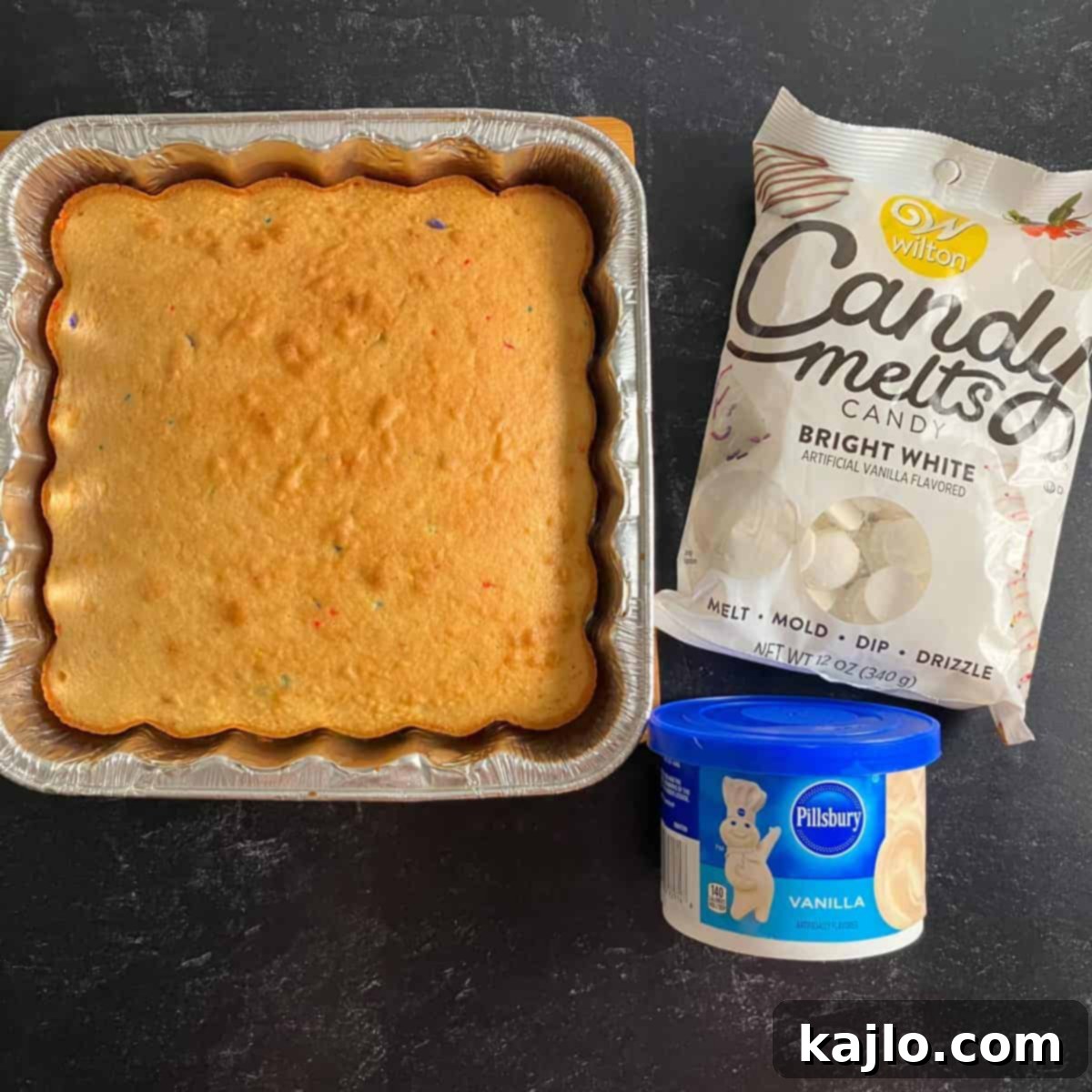
While a boxed cake mix offers convenience and consistent results, don’t hesitate to use your favorite homemade cake recipe from scratch if you prefer. For those using a boxed mix, a clever trick to ensure your cake pop dough isn’t overly greasy or oily is to substitute applesauce for all of the oil called for in your cake recipe. Since you’ll be blending frosting into the cake crumbs, there will be ample fat to keep the cake pop dough moist and pliable, preventing it from drying out. For instance, in our recipe, we recommend mixing 1 cup of water, ½ cup of applesauce, and 3 large eggs into a regular-sized boxed cake mix. Keep in mind that one standard box of cake mix typically yields two 8×8-inch cakes, which is double the amount needed for this recipe. This means you can easily save half of the baked cake for other snacks or another batch of cakesicles later!
🍭 What is the Difference Between Cake Pops and Cakesicles?
While often used interchangeably, there’s a distinct difference between traditional cake pops and cakesicles. Classic cake pops are usually shaped into small, spherical balls, then fully dipped into melted chocolate. Cakesicles, on the other hand, are formed into the popular popsicle shape, and their chocolate coating is typically applied by brushing it into a mold. This method offers several advantages.
In this comprehensive cakesicles tutorial, you’ll learn exactly how to make cakesicles with a mold. The primary benefit of this technique is achieving a beautifully smooth, uniformly shiny coating without the mess and potential imperfections of hand-dipping. Furthermore, making your cake lollies with a mold significantly reduces the likelihood of them falling off the stick, a common frustration with traditionally dipped cake pops. The mold helps to firmly encase the cake dough around the stick, providing a more stable and aesthetically pleasing final product.

🍫 What is the Best Melting Chocolate for Cake Pops?
For making flawless cake popsicles, I highly recommend using candy melts. These specially formulated chocolate candy melts, also known as almond bark or confectionery coating, are designed to create a wonderfully smooth shell on your cake pops that is much less prone to cracking. One of their greatest advantages is that they require no tempering, a complex process often necessary when working with regular chocolate to achieve a stable, shiny finish.
You can easily find Wilton’s Candy Melts in the craft section of most major retailers or conveniently online. Alternatively, almond bark is a fantastic option often located in the baking aisle of grocery stores. For the coating in this recipe, you’ll need approximately 3 cups of candy melts, plus a bit more if you plan on intricate decorating.
I often use white candy melts as a versatile base, then color them with various food colorings for custom designs. However, using pre-colored candy melts is a fantastic shortcut, especially for holiday-themed treats or specific party themes. Here are some vibrant ideas to inspire your next batch:
- Halloween Cakesicles: Embrace the spooky season with striking orange and black candy melts.
- Christmas Cakesicles: Create festive delights using classic red and green candy melts.
- Easter Cakesicles: Opt for soft and cheerful pastel candy melts to celebrate spring.
- Gender Reveal Party: Use light pink and baby blue candy melts for an exciting reveal.
- Birthday Cake Popsicles: Personalize them by using the birthday person’s favorite color(s)!
Melting candy melts correctly is key to a smooth finish. Place about ½ cup of room temperature candy melts (or small pieces of almond bark) into a microwave-safe bowl. Microwave at 50% power for one minute. Stir well, then continue microwaving at 50% power in 30-second intervals, stirring thoroughly after each interval, until the melts are almost entirely smooth. It’s crucial to stir frequently and to stop microwaving just before they are fully melted. The residual heat from the bowl and the already melted candy will allow them to become completely smooth with continued stirring, preventing burning and ensuring a perfect consistency.
Only melt your candy melts when you are ready to use them. They harden quickly once melted, so efficiency is important for a smooth coating process. Work swiftly, but carefully, to achieve the best results.
How to Temper Real Chocolate
While candy melts provide a convenient and reliable thin, smooth shell for cake pops, some prefer the richer, more complex flavor of real chocolate, especially varieties rich in cocoa butter. To enjoy the best of both worlds, you might consider using candy melts for the outer coating of your cakesicles and real chocolate for decorative drizzles or accents. The main consideration when using real chocolate for the primary coating is that it requires a specific process called tempering.
Tempering chocolate involves carefully heating and cooling it to stabilize its crystalline structure. This process results in a glossy, snap-worthy finish that is resistant to blooming (white streaks) and ideal for coatings. Candy melts and most chocolate chips, on the other hand, contain added stabilizers, meaning they only require simple melting rather than the more precise tempering process.
According to experts like Ghirardelli, traditional tempering involves heating chocolate in a double boiler to specific temperatures, typically 110-115 degrees Fahrenheit (43-46°C), and then cooling it down to 95-100°F (35-38°C) while stirring until fully melted and smooth. Achieving these precise temperatures accurately requires a candy thermometer, making it a more involved process.
Before tempering, ensure your chocolate is chopped into very small, uniform pieces, roughly the size of chocolate chips. This helps it melt evenly and quickly. To help thin out the chocolate for a perfect, thin cakesicle coating without causing it to seize (thicken and separate), I recommend adding about ½ teaspoon of coconut oil for every ½ cup of chocolate or chocolate chips you use. Remember, chocolate can seize if exposed to water or if it overheats, so a dry environment and careful temperature control are crucial.
For those seeking a simpler approach, I’ve had success tempering chocolate in the microwave, and it doesn’t strictly require a candy thermometer. To try this method, combine ½ cup of finely chopped chocolate with ½ teaspoon of coconut oil in a microwave-safe bowl. Microwave at 50% power for one minute, then stir. Continue microwaving at 50% power in 30-second intervals, stirring frequently after each, until the chocolate is mostly melted. The goal is to melt the last few bits of chocolate by stirring them into the already melted portion, creating a perfectly smooth consistency. If you attempt to fully melt the chocolate in the microwave, you run a significant risk of overheating it and causing it to seize. While this microwave shortcut can be effective, it is generally riskier than the more controlled stovetop tempering method.
🍡 Cakesicles Mold
To achieve the signature popsicle shape and a flawlessly smooth coating for your cakesicles, a silicone mold is an indispensable tool. I highly recommend using high-quality silicone cakesicle molds. These molds are often sold in sets that include the necessary cakesicle sticks, which are essentially shorter, food-safe popsicle sticks perfectly sized for these treats.
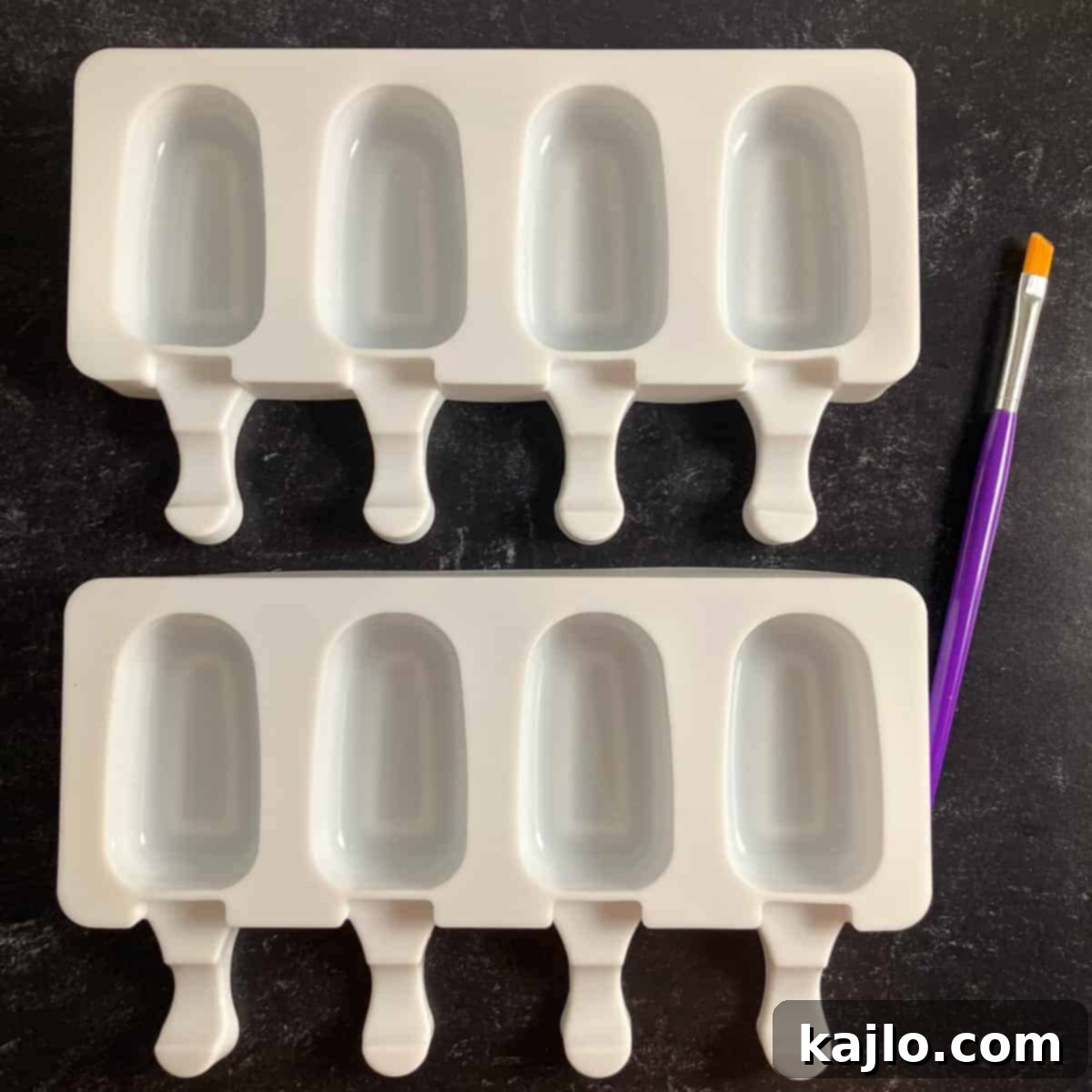
While lollipop sticks can also be used, cakesicles are generally larger and more substantial than traditional round cake pops. Therefore, you might find that the sturdiness and size of a popsicle stick are more suitable and comfortable to handle. It’s crucial to remember a key safety note about these molds: most silicone cakesicle molds are NOT designed for oven use. You will first bake your cake separately, create the cakesicle dough by mixing it with frosting, and then press this prepared dough into the molds. However, a great bonus is that many silicone molds are freezer-safe, making them versatile for other frozen treats like ice cream pops or even custom-shaped ice cubes.
🔪 How to Make Cakesicles
Cake Popsicle Dough Instructions:
- Crumble an 8×8-inch (20×20 cm) baked cake into a large bowl. Ensure the cake is completely cooled before crumbling; warm cake will result in a greasy dough. Use clean hands to break it down into fine, even crumbs.
- Add ⅓ cup of buttercream frosting to the cake crumbs. Using your clean hands, thoroughly mix the frosting into the cake crumbs until a cohesive dough forms. This step can be a bit messy, but it’s essential for an even consistency. If the dough still seems too dry or crumbly to hold its shape, add an additional 1-3 tablespoons of frosting, one tablespoon at a time, until you can easily roll it into a ball. The amount of frosting needed can vary depending on the moisture level of your specific cake. Once mixed, cover your cake popsicle dough and place it in the fridge to chill for at least 30 minutes. This helps the dough firm up, making it easier to work with and less prone to cracking later.
How to Make Cake Popsicles (Assembly):
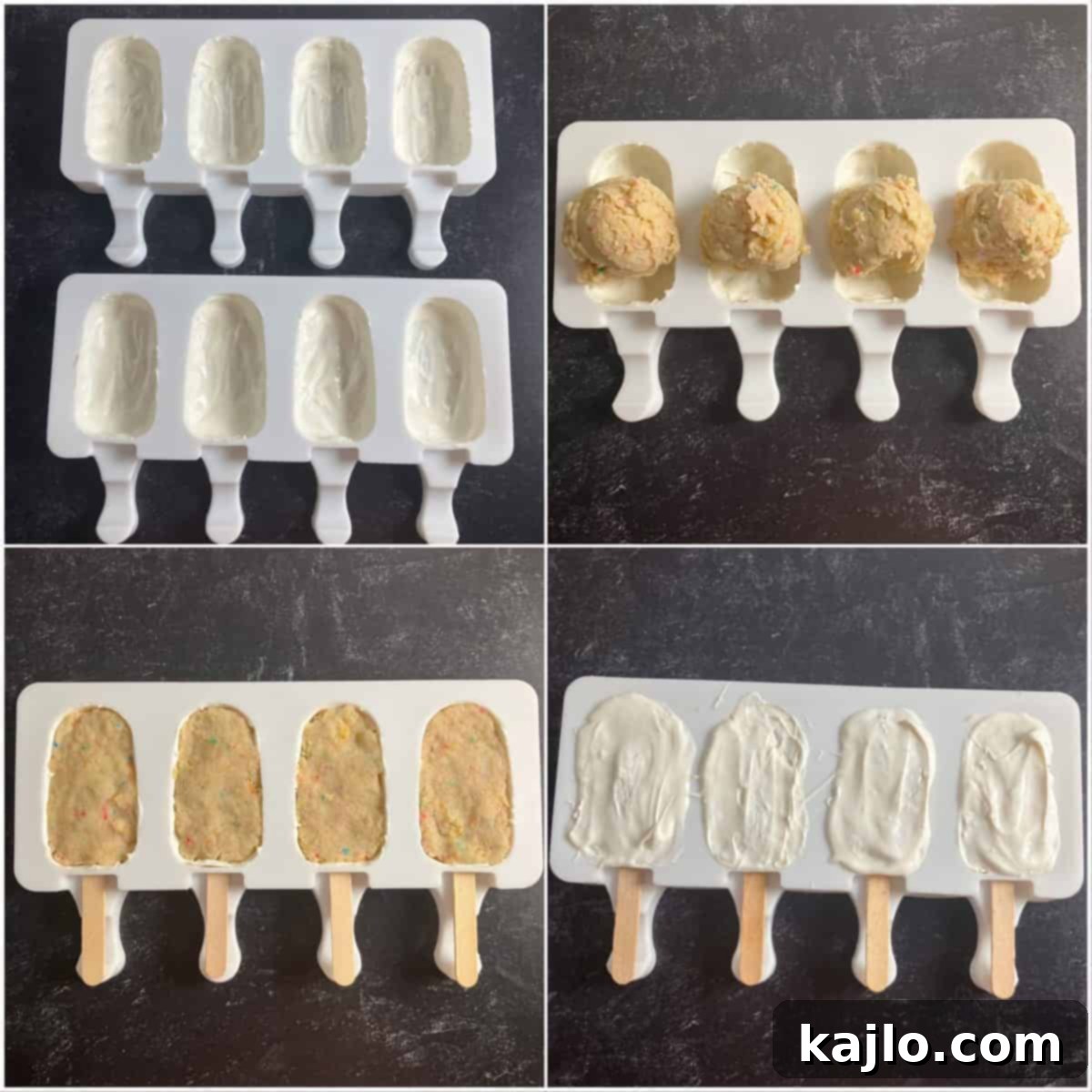
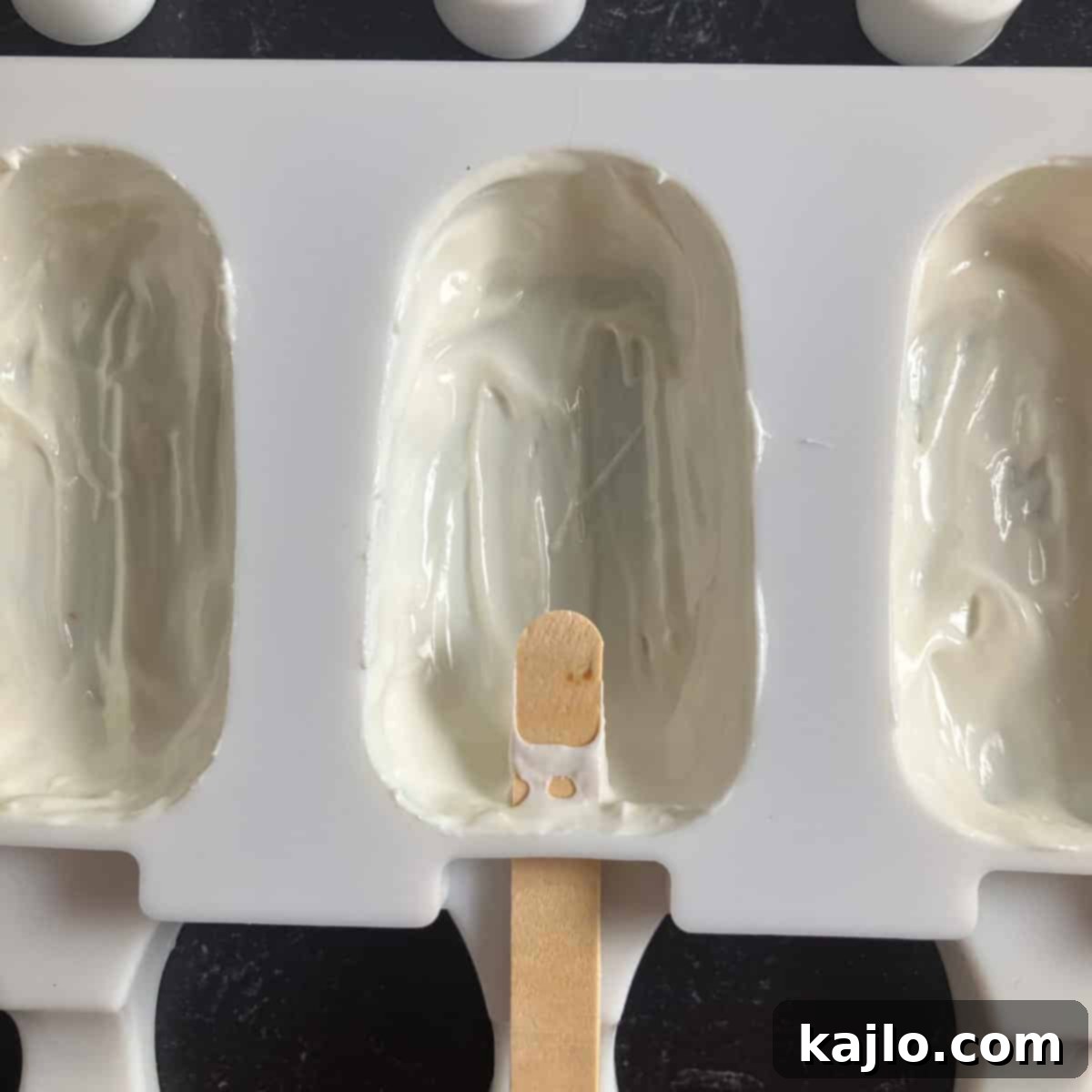
- Melt ½ cup of candy melts following the detailed instructions provided earlier in this article. Using a food-safe brush, paint a thin, even layer of melted chocolate into each of the 8 cake pop mold compartments. Make sure to brush the chocolate all the way up the sides of each cavity to create a complete and uniform coating. Each compartment will use approximately 1 tablespoon of candy melts.
- Don’t worry if the brushed coating inside the mold doesn’t look perfectly smooth; this side will become the inside of your cakesicle, so its appearance won’t affect the final presentation. The outside, which will be visible, will be perfectly smooth from the mold.
- Gently push a popsicle stick through the designated hole at the bottom of each pop mold compartment. This ensures the channel for the stick remains open and clear. Then, carefully remove the stick.
- Place the coated pop molds in the freezer for about 10 minutes to allow the chocolate shell to firm up completely. Once firm, you can transfer the cakesicle molds to the refrigerator while you prepare the remaining steps, ensuring they stay cool and stable.
- Retrieve your chilled cake popsicle dough from the fridge. Press 1.5-2 tablespoons of the cake dough into each hardened chocolate shell. A small cookie scoop can be helpful for precise measurements. It’s important to completely fill each mold with the cake dough, ensuring there are no air bubbles, while still leaving a small amount of room at the top for the final chocolate layer.
- Carefully insert the popsicle sticks into the cake pops, pushing them gently through the cake dough until they are securely seated. Try to be as gentle as possible to avoid breaking the delicate candy shells. If a shell does crack slightly, don’t worry too much, as the next step involves adding more chocolate to seal everything.
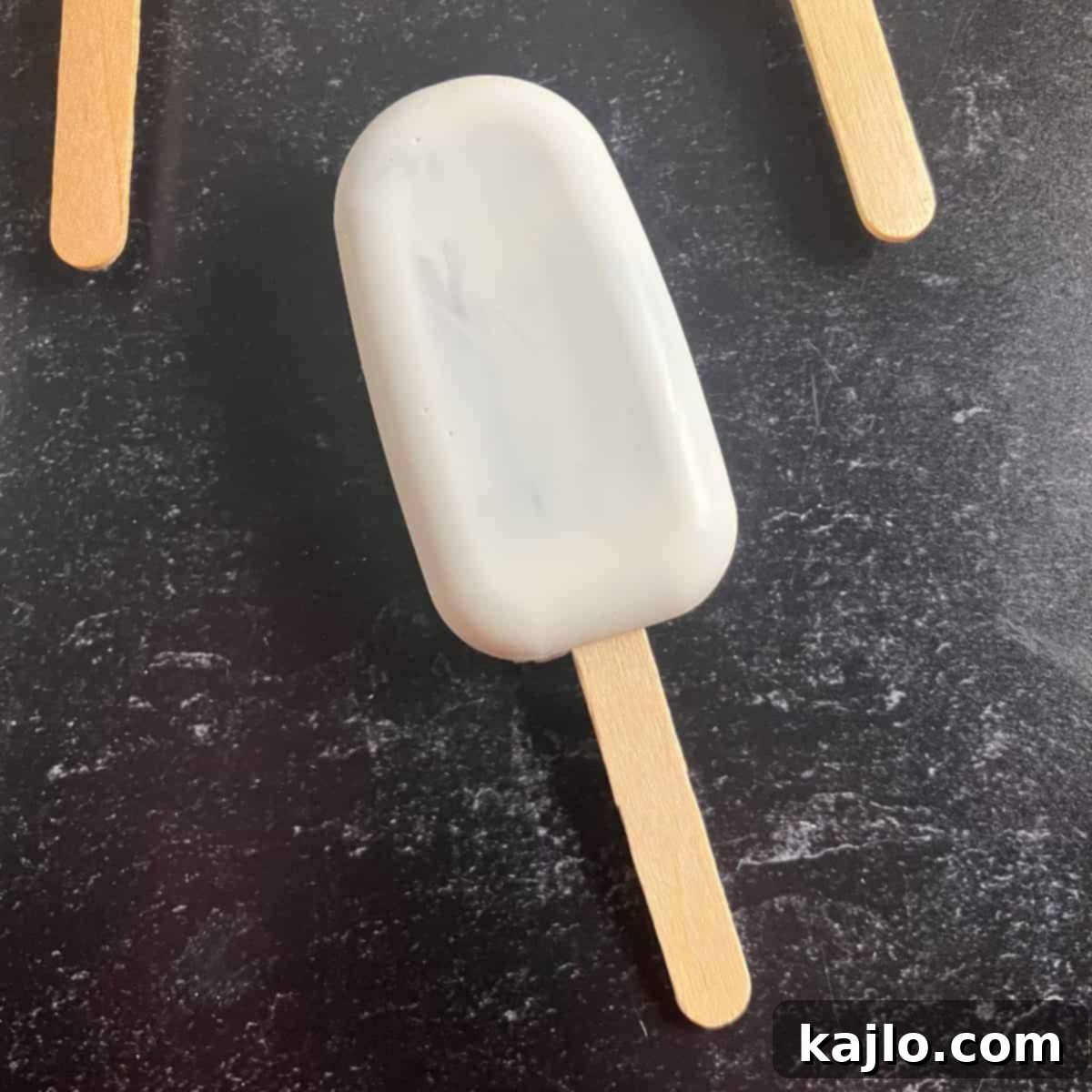
- Melt another ½ cup of candy melts. Use about 1 tablespoon per cakesicle to completely cover the exposed cake dough, effectively sealing the back of the cakesicle. Use a spoon or a small offset spatula to smooth out the melted chocolate. Again, precision isn’t paramount here, as this is the back of the cakesicle. Any excess chocolate can be neatly trimmed later using a sharp knife once hardened.
- Return the filled and sealed cakesicles to the freezer for another 10 minutes to allow the top layer of melted chocolate to set completely. Once firm, *very carefully* pop the cakesicles out of their molds. The flexibility of silicone molds makes this process relatively easy.
- Store the finished cakesicles in the fridge until you are ready to decorate them further or serve. Keeping them chilled helps maintain their shape and prevents softening.
- Repeat the entire molding and filling process until all of your cake popsicle dough has been used. This recipe typically yields between 16 and 19 delicious cakesicles.
How do I stop my cake pops from cracking?
Preventing cracks in your beautiful cake popsicles is crucial for a professional finish. One of the most effective ways to avoid cracking is to ensure a significant temperature difference between your chocolate shell and your cake pop dough. Both components should be cold: the cake dough should be thoroughly chilled and firm, and the initial chocolate shells in the mold should be cool and completely hardened before you fill them. If the cake dough is too warm or soft, it can expand slightly as it chills, putting stress on the chocolate shell.
Another common cause of cracking is an overly thick candy coating. While you want full coverage, try to brush the candy melts into the mold as thinly as possible without leaving any gaps or uncovered areas. Generally, candy melts tend to create a thinner, more flexible shell compared to real chocolate, which can be advantageous in preventing cracks.
If you’re making chocolate cakesicles (with chocolate cake inside) and using white candy melts for the coating, you might find you need a slightly thicker shell to prevent the dark cake from showing through. However, this increases the risk of cracking. If achieving adequate coverage without cracks proves difficult, consider using a different color combination, such as a darker candy melt that complements the chocolate cake or a lighter cake with a white coating.
Why are my cakesicles sweating?
If you notice condensation forming on the surface of your cakesicles, often referred to as “sweating,” it’s typically due to rapid changes in temperature. This phenomenon occurs when cold cakesicles are moved from a colder environment (like the fridge or freezer) into a significantly warmer, more humid room. The moisture in the air condenses on the cold surface of the cakesicle, similar to how water droplets form on a cold glass on a hot day. To minimize sweating, try to allow your cakesicles to gradually adjust to room temperature. For instance, if taking them from the freezer, move them to the refrigerator first for an hour or two before bringing them out to room temperature.
Why did my cake pops fall off the stick?
Several factors can lead to your cakesicles (or cake pops) falling off the stick. The most common culprit is an imbalance in the cake dough’s consistency – either too much or too little frosting. Too much frosting can make the dough overly soft and unable to grip the stick firmly, especially when chilled. Conversely, too little frosting can result in a crumbly dough that doesn’t adhere well to the stick. Additionally, if the chocolate coating is applied too thickly around the stick, it can create a weak point where the cake dough might separate from the stick, especially if there’s any movement or pressure.
What do you dip cakesicles in?
It’s important to clarify that cakesicles, when made with a mold, are generally not “dipped” in the traditional sense, unlike their spherical cake pop counterparts. Instead, the chocolate or candy melt coating is brushed into the mold to form a shell, which is then filled with cake dough and sealed. This method ensures the smooth, uniform finish characteristic of cakesicles. The primary coatings used are either melted candy melts or properly tempered real chocolate, both offering a beautiful and delicious outer layer.
⏲️ Should Cakesicles Be Refrigerated?
Absolutely, yes! Cakesicles are perishable items that contain dairy from the frosting and potentially other ingredients, making proper storage crucial for food safety. You should never leave cakesicles out at room temperature for more than 1-2 hours. Beyond this timeframe, the risk of bacterial growth and food poisoning significantly increases, and any cakesicles left out should be discarded.
For safe storage and to maintain their quality, cakesicles must be stored in the refrigerator. When stored properly in an airtight container in the fridge, cakesicles can last for up to 3-4 days. This keeps the cake fresh, the frosting stable, and the chocolate coating firm.
How long can you store cakesicles?
Like most perishable cooked foods, you can keep cakesicles in the refrigerator for up to 3-4 days. After this time, even if the cake pops don’t show visible mold, the risk of foodborne illness significantly increases (source: Consumer Reports).
For longer storage, you can individually wrap cakesicles tightly in plastic wrap and then store them in a freezer bag in the freezer, ensuring all air is pressed out. To thaw, unwrap the frozen cakesicles and place them on a plate in the refrigerator. While defrosting, the cake popsicles may develop some condensation or “sweat,” which can affect their pristine appearance. For this reason, freezing might not be ideal if you’re preparing them for a catered event or an important party where presentation is key. However, for a small family with leftover cake pops, freezing is an excellent way to prevent waste.
🧁 Cakesicles Filling Ideas
The variety of cakesicles flavors you can create is truly limited only by your culinary imagination! For this recipe, I crafted delightful funfetti cake popsicles, but the possibilities are endless. Here are some fantastic cake popsicle filling ideas to get you started:
- Chocolate Cake: A rich, classic choice that pairs wonderfully with various coatings.
- Yellow Cake: A simple, buttery flavor that’s universally loved.
- White Cake (or Vanilla Cake): A light and airy option, perfect for delicate flavors.
- Strawberry Cake: Offers a fruity and vibrant twist, especially with strawberry frosting.
- Spice Cake: Warm and aromatic, ideal for autumn or cozy gatherings.
- Carrot Cake: Elevate it by mixing with cream cheese frosting for an irresistible combination.
- Lemon Cake: A zesty and refreshing option, great for spring and summer.
- Coconut Cake: Brings a tropical flair, fantastic with white chocolate.
- Butter Pecan Cake: A nutty and rich choice, full of flavor and texture.
- Orange Cake: A bright, citrusy option for a unique taste.
- Butter Cake: While possible, be mindful that it might result in a slightly greasier dough due to its higher fat content.
Beyond these suggestions, feel free to use your absolute favorite homemade cake flavor! Another exciting option for a seasonal treat is to experiment with canned pumpkin puree in place of applesauce when making a boxed spice cake mix. This simple swap will create delicious pumpkin spice cake pops, perfect for fall festivities and holiday gatherings!
🎂 Cakesicles Designs
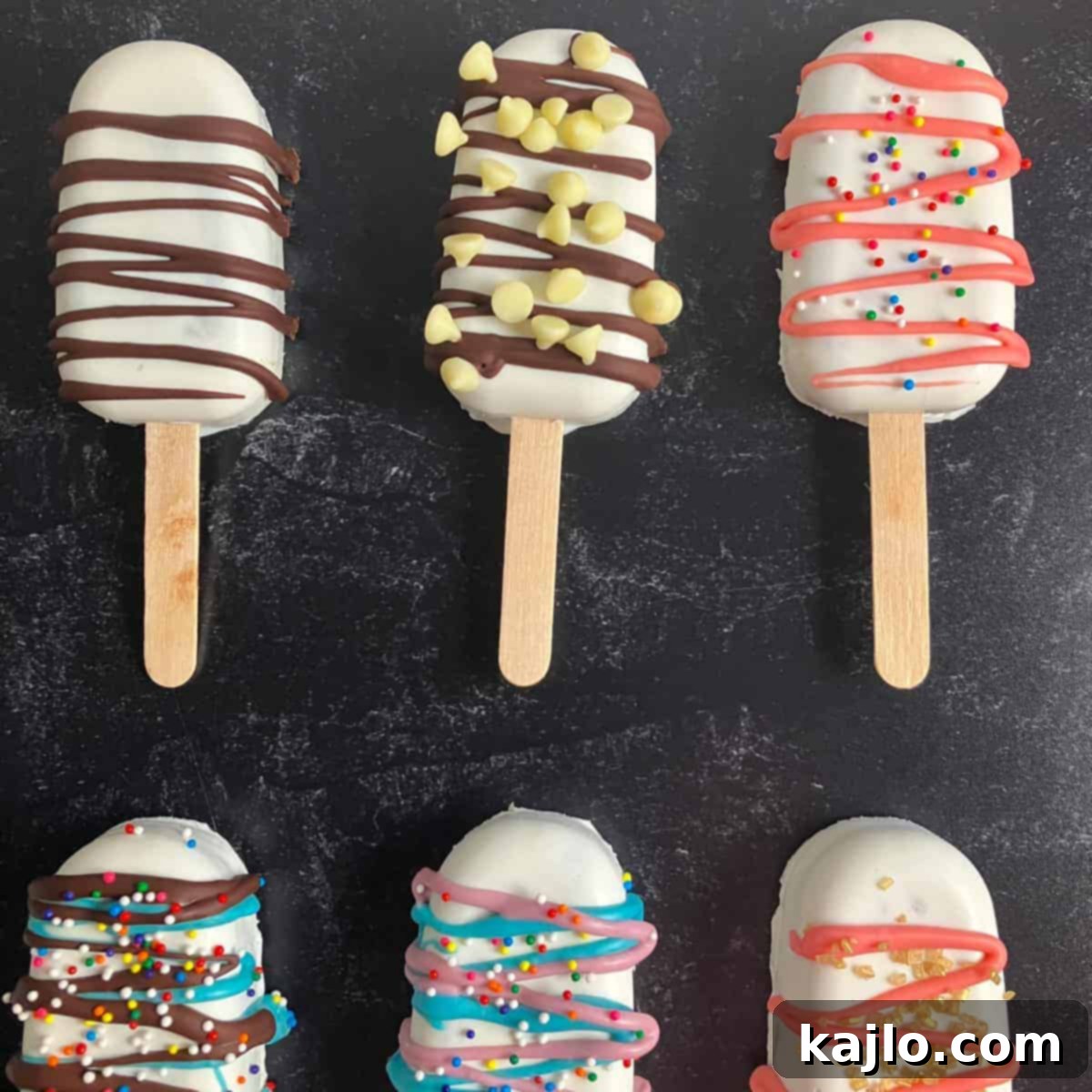
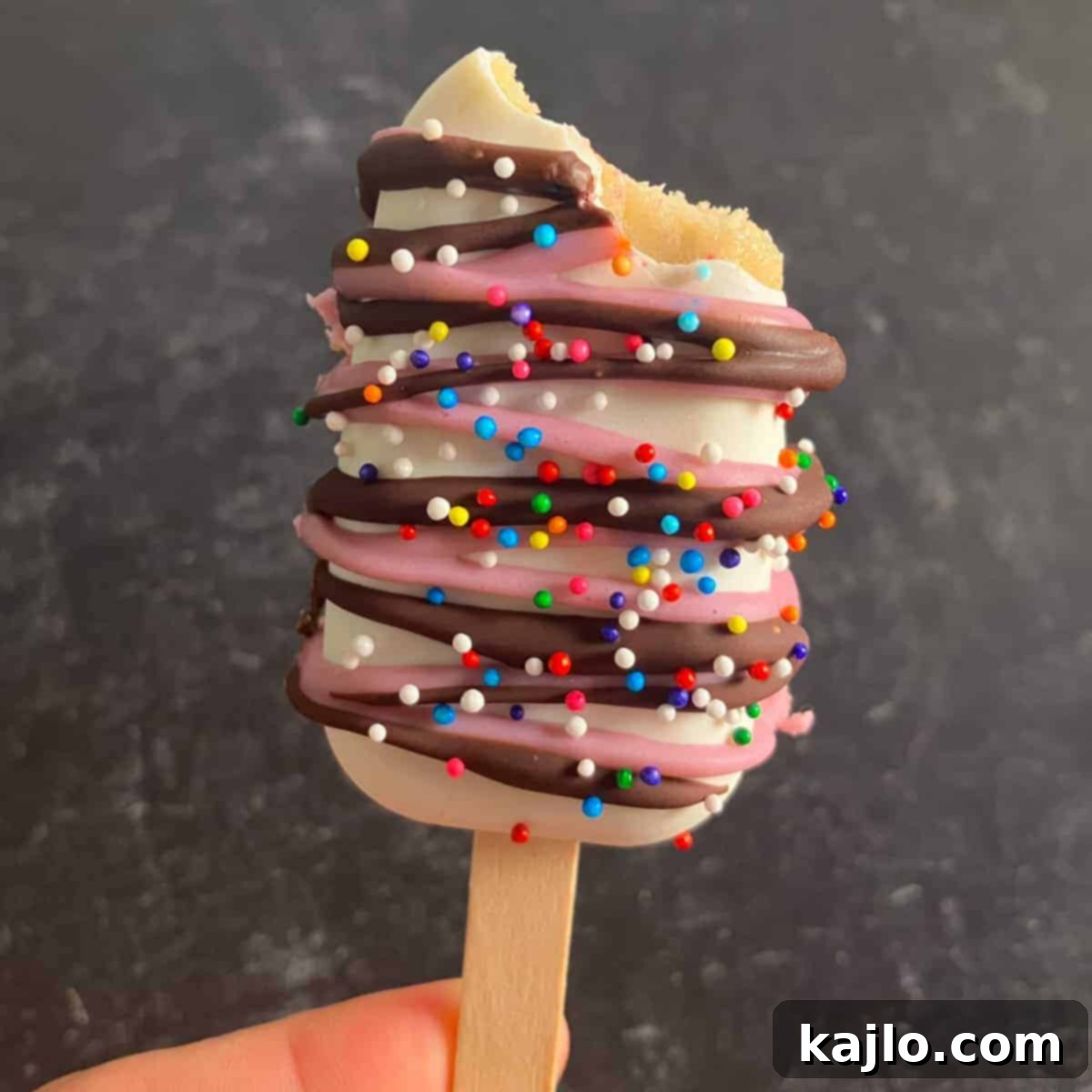
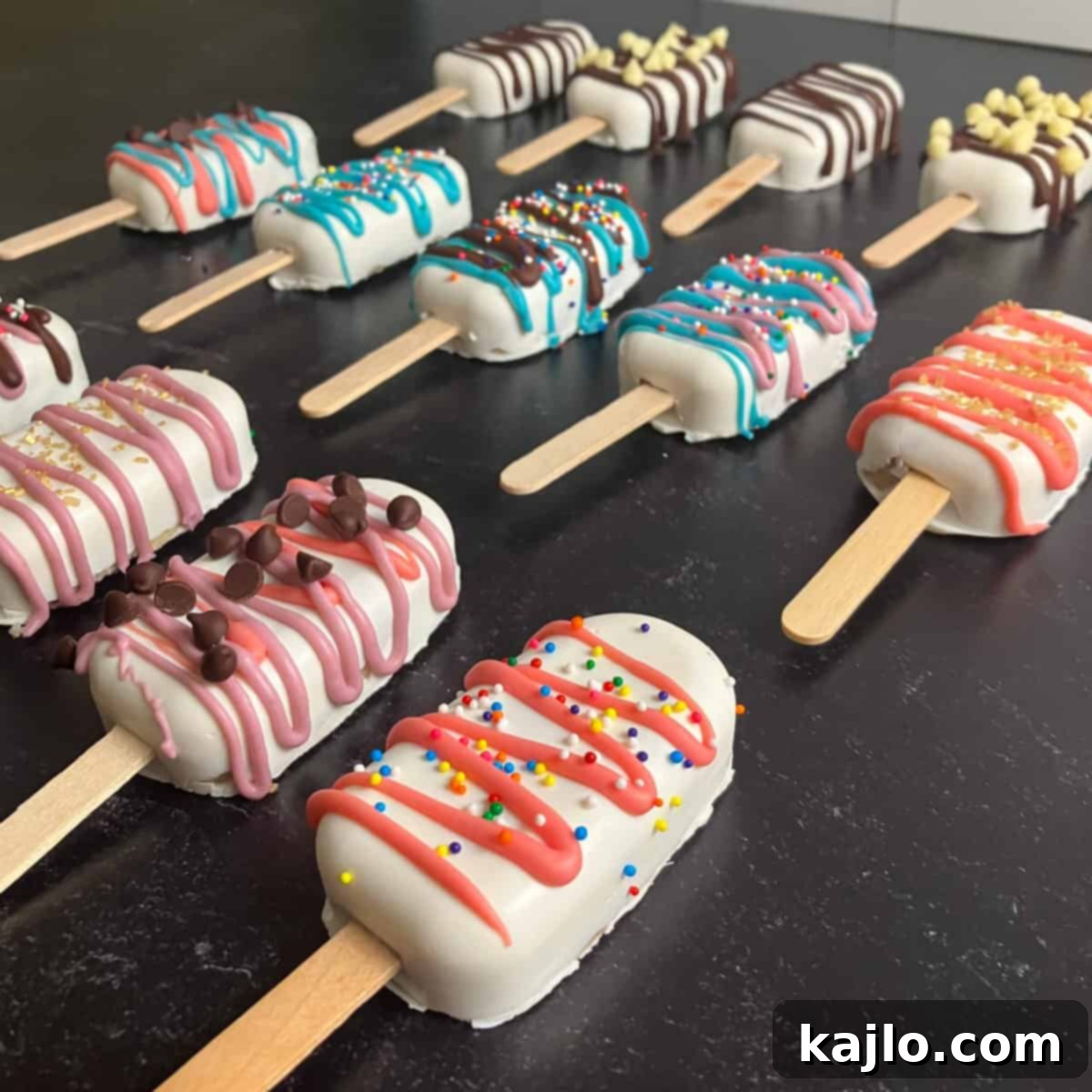
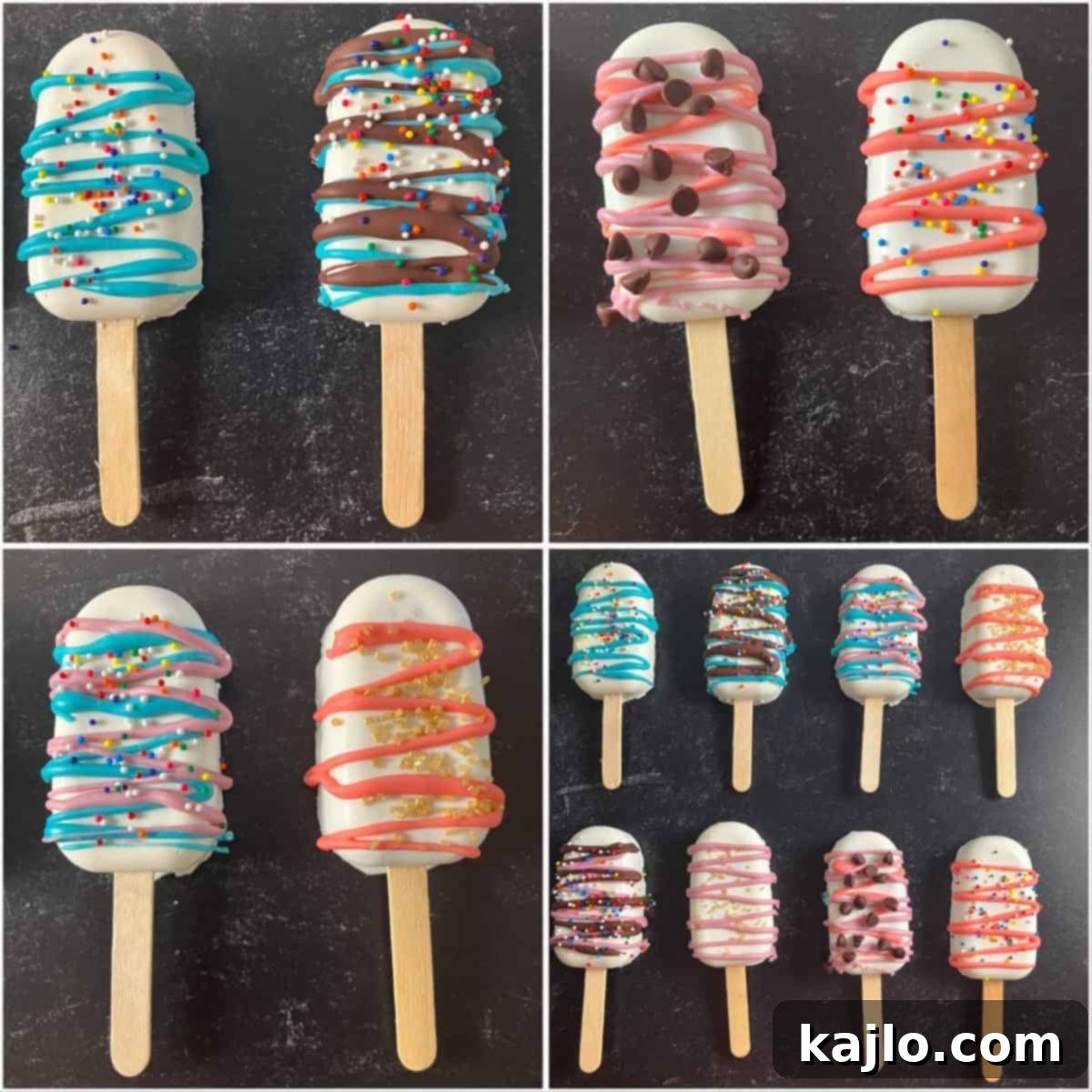
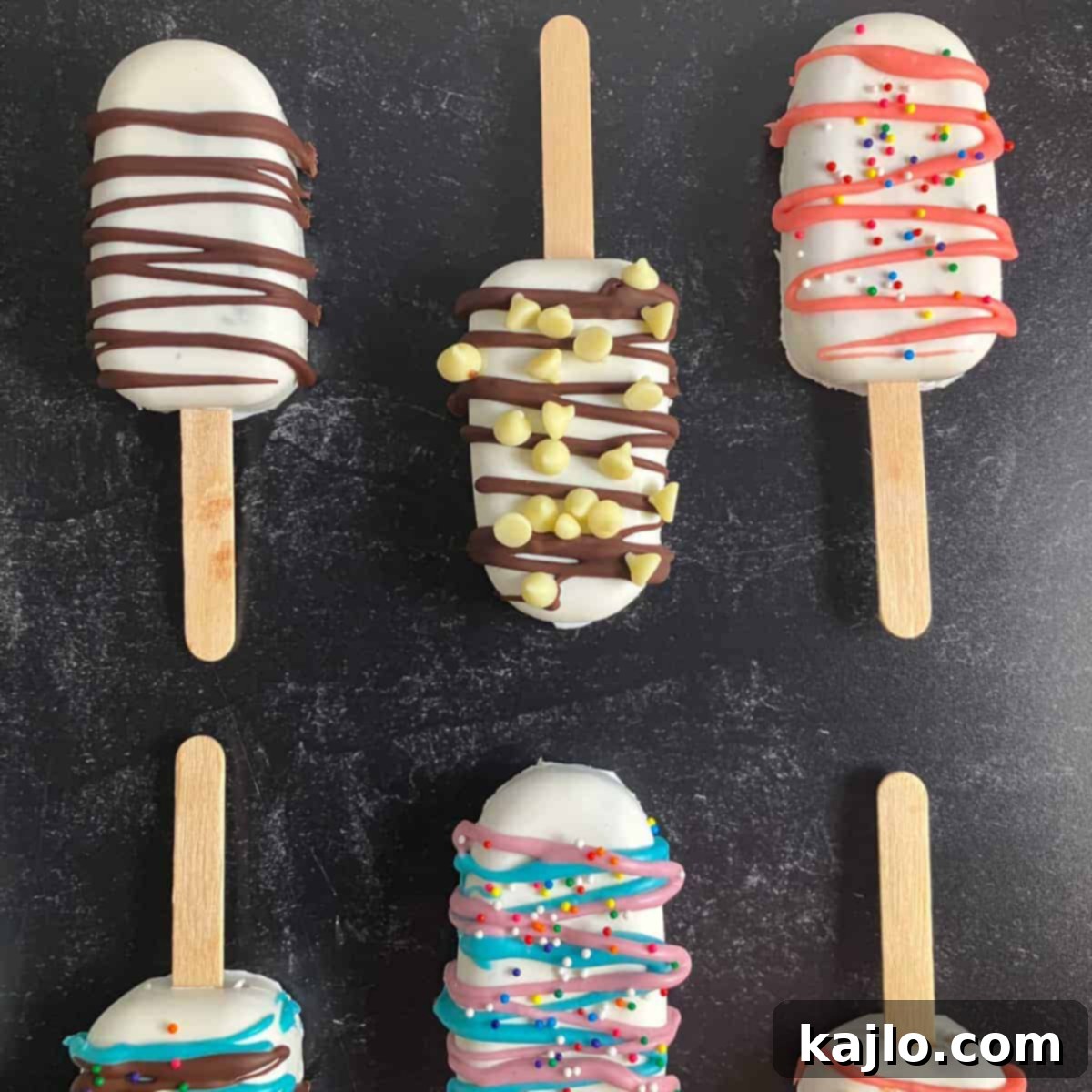
Once your cake popsicles are formed and chilled, the fun truly begins with decorating! There’s a vast array of ways to personalize and adorn them, transforming them into edible works of art. A popular method is to melt additional candy melts (or even real chocolate) and color them with various food colorings to create beautiful drizzles. Gel food coloring is particularly recommended as it provides vibrant, intense hues that truly pop.
For a more natural approach, you could grind freeze-dried fruits into a fine powder and mix them into melted white chocolate for unique, naturally colored drizzles. Alternatively, simple melted white chocolate, dark chocolate, or milk chocolate chips can create elegant and delicious decorative elements. After melting your chosen chocolate or candy melts, a handy trick is to transfer it into a small plastic baggie and snip a tiny corner off the bag. This creates a makeshift piping tool, perfect for drizzling intricate patterns onto your cake popsicles. For those who prefer dedicated tools, the Wilton drizzling spoon is another excellent option for controlled designs.
While the drizzle is still wet and tacky, it’s the perfect moment to add extra embellishments. Generously sprinkle on colorful sprinkles (also known as jimmies), sparkling decorating sugar, or miniature chocolate chips for added texture and visual appeal. Some creative bakers even decorate their cake pops with delicate patterns of jam or royal icing. After all decorations are applied, allow the drizzled cakesicles to set in the refrigerator until the chocolate is fully firm before serving, ensuring everything stays perfectly in place.
When it comes to presentation, cakesicles can be displayed in several charming ways. You can arrange them elegantly on a serving platter, or for a more upright display, stick them into a styrofoam block covered with decorative paper. Personally, I find that serving cakesicles laid flat allows the beautifully decorated side to face upwards, showcasing your artistic efforts to their fullest extent.
Cakesicles Cake Pops (Cake Popsicles Recipe)
Summer Yule
Learn how to make cake popsicles with my delicious cakesicles recipe! They’re perfect for parties!
Print Recipe
Pin Recipe
Ingredients
- 1 8×8-inch baked cake (20.3×20.3cm) I used half a box of cake mix made with applesauce instead of oil
- ⅓ cup frosting (plus more as needed)
- 3 cups candy melts (plus more for decorating)
- cakesicle toppings optional; sprinkles, mini chocolate chips, sanding sugar, etc.
Love this recipe? Please leave a comment below 😊
Instructions
How to make cakesicle filling:
Crumble the cake into a large bowl using clean hands. (Make sure to cool the cake first!)
Mix ⅓ cup frosting into the cake crumbs (yes, this step is messy). Add an additional 1-3 tablespoons of frosting if needed to get a cohesive ball of dough. You may need to add more frosting depending on the cake you use. Put your cake popsicle filling in the fridge.
How to make cakesicles:
Melt ½ cup candy melts using the directions on the packaging or in the article above. Use a food-safe brush to brush a thin chocolate layer into the 8 cake pop mold compartments. Make sure to brush the chocolate up the sides of each cavity to completely coat it. Each compartment uses about 1 tablespoon of candy melts.
It doesn’t matter if the coating doesn’t look perfectly smooth, as the side facing you is the inside of the cakesicle.
Push a popsicle stick through the pop mold hole to ensure it stays open. Then remove the stick.
Freeze the coated pop molds for 10 minutes, to firm the chocolate shell up completely. Then move the cakesicles molds to the fridge until you are ready to fill them.
Press 1½-2 tablespoons of cake popsicle dough into each shell. I used a small cookie scoop to measure the dough. You want to completely fill each mold (no air bubbles!), leaving room at the top for more melted chocolate.
Push the popsicle sticks into the cake pops. Try to be gentle, but if the candy shells break, no worries, as you’re adding more chocolate shortly.
Melt another ½ cup of candy melts. Use about 1 tablespoon to completely cover the cake pops. Use a spoon or small spatula to smooth the melts out. (Don’t worry too much about perfection- these are the backs of the pops.) You can trim the excess chocolate later using a sharp knife.
Freeze the cakesicles for 10 minutes to set the melted chocolate, then carefully pop the pops out of the molds. Store the cakesicles in the fridge until you’re ready to decorate them.
Repeat the steps above until all of your cakesicle dough is used. You should yield 16-19 cake popsicles.
Decorate cake popsicles by drizzling on colored melted candy melts and topping with sprinkles and mini chocolate chips. Allow the cakesicle decorations to set in the fridge, and enjoy!
Equipment
- Cakesicle Mold
- Cake Decorating Brush
Notes
💭 Expert Tips from Dietitian Summer Yule
This is a level 3 recipe (weight maintenance and active lifestyles). Most are aware that cake and cake-like desserts are not the best choices for weight loss. But do you know why?
Sure, cake is filled with delicious things like added sugar, white flour, and added oil. These are generally not considered “healthy” foods. However, it’s possible to lose weight on “unhealthy” diets and gain on “healthy” diets.
The real deal is that you must maintain a calorie deficit to lose weight. And cake, frosting, and chocolate all pack a ton of calories into a tiny amount of food. If you are trying to eat at a calorie deficit for weight loss, you may end up very hungry at the end of the day if you include a few cake pops.
Even if you aren’t a volume eater, the high carb, high fat, low protein macro combo in cake isn’t very filling. Keto and low carb diets cut foods like cake, cookies, pastries, etc. out. Though the person on the diet is focusing on macros, calories are often reduced as well, potentially leading to weight loss.
Something good about this recipe is that it includes some portion control and you can freeze leftovers with okay results. If you bring these to a party, they’ll likely disappear fast! A plate of beautifully presented cakesicles is a special occasion treat that’s best shared.
Nutrition information is for one serving of the recipe made with funfetti cake mix using applesauce in place of oil, and vanilla frosting. The nutrition information for your cake popsicles will depend on the specific ingredients you use.
nutrition info disclaimer
All recipes on this website may or may not be appropriate for you, depending on your medical needs and personal preferences. Consult with a registered dietitian or your physician if you need help determining the dietary pattern that may be best for you.
The nutrition information is an estimate provided as a courtesy. It will differ depending on the specific brands and ingredients that you use. Calorie information on food labels may be inaccurate, so please don’t sweat the numbers too much.
“To taste” means to your preferences, which may have to be visual to follow food safety rules. Please don’t eat undercooked food x
Nutrition
Carbohydrates: 30.6g
Protein: 2.4g
Fat: 6.7g
Saturated Fat: 4.8g
Sodium: 220.7mg
Potassium: 35.5mg
Fiber: 0.3g
Added Sugar: 9g
Vitamin A: 1% DV
Calcium: 6.3% DV
Iron: 3.9% DV
Shop our cookbook!Easy Air Fryer Recipes for One
Burning your air fryer recipes?Here’s how to fix it!
📋 Cakesicles Calories
Each individual cakesicle contains approximately 194 calories, 30.3 grams of net carbohydrates, and 2.4 grams of protein. This nutritional estimate is based on 1/19th of the recipe, specifically when made with funfetti cake mix, utilizing applesauce as an oil substitute, and vanilla frosting. It’s important to remember that the precise nutritional information for your homemade cake popsicles can vary significantly depending on the specific brands and types of cake mix, frosting, and candy melts you choose to use. Always consult the labels of your ingredients for the most accurate details.
FAQs
What is the average cakesicles price?
The price of cakesicles can vary widely depending on the location, the complexity of the design, and whether they are purchased from a large chain, a local bakery, or an online artisan. For comparison, a standard cake pop at a well-known coffee shop like Starbucks typically costs around $1.95. Handcrafted cakesicles, often featuring intricate decorations and premium ingredients, can fetch anywhere from $4 to $7 or more per piece when sold online or at specialty bakeries. While making them at home is more cost-effective, these prices reflect the labor, skill, and quality of ingredients involved in creating these popular treats.
How many cake pops does a box of cake make?
From a single standard box of cake mix, you can typically yield a substantial quantity of cake pops or cakesicles. Specifically for cakesicles, which are larger than traditional round cake pops, you can expect to make between 32-38 pieces per box of cake mix. If you were making smaller, traditional spherical cake pops, which use roughly half the amount of dough as a cakesicle, a single box of cake mix could produce an impressive 64-76 small cake pops. Keep in mind that these numbers are estimates; larger cake pop molds or generously sized cakesicles will naturally result in fewer overall pieces.
How to make vegan cakesicles?
Creating delicious vegan cakesicles is entirely achievable with a few thoughtful substitutions. To begin, select your favorite vegan cake mix or a trusted homemade vegan cake recipe. For the liquid components of the cake, you’ll need an egg substitute, such as flax gel “eggs” (1 tablespoon ground flaxseed meal mixed with 3 tablespoons water per egg). Ensure your frosting is also vegan-friendly, choosing a plant-based buttercream or making your own with vegan butter and powdered sugar. Finally, select a high-quality vegan chocolate or dairy-free candy melts for the outer coating. These simple swaps will ensure your cakesicles are not only vegan but also completely eggless and dairy-free, catering to various dietary needs without compromising on taste.
Does a cake pop maker work?
Cake pop makers are countertop appliances that bake cake batter directly into a ball shape, typically resembling a small muffin or donut hole. While they offer a convenient way to create uniform cake balls, it’s important to understand that the resulting cake pops will have a different consistency than those made from crumbled cake mixed with frosting (which is the method for traditional cake pops and cakesicles). The baked cake in a cake pop maker will be more like a mini cake than a dense, fudgy cake dough. If this difference in texture is not a concern for you, and you prioritize speed and simplicity, then using a cake pop maker can be a good option for quickly producing a large batch of cake balls ready for dipping and decorating.
How to make cakesicles without mold?
While using a silicone mold is the recommended method for achieving perfectly shaped and smooth cakesicles, you can create them without a mold if necessary, though the results may not have the same professional, polished look. To do this, simply form your chilled cake pop dough into a popsicle shape directly onto the sticks, ensuring the dough is tightly packed around the stick to prevent it from falling off. Once shaped, you will hand-dip each cake pop into melted candy melts or tempered chocolate. Allow the coating to set completely before proceeding with any decorations. This method requires a bit more finesse and patience to achieve an even coating and a consistent shape.
Should cake pops be cold before dipping?
Yes, absolutely! For cake pops (and cakesicles made without a mold) that are formed by hand and then dipped, it is critically important that the cake dough is thoroughly chilled and firm before dipping them into warm melted chocolate or candy melts. A cold and firm cake dough will hold its shape much better when submerged in the warmer coating, preventing it from crumbling or falling apart. If the dough is too soft or at room temperature, it’s more likely to disintegrate or lose its shape, making the dipping process messy and difficult. Chilling ensures a stable base for a smooth, even coating.
👨🏾🍳 More Dessert Recipes
Ready for more sweet adventures? If you’re craving delicious desserts, you absolutely need these fantastic recipes in your life:
- Gulab Jamun Cheesecake
- Air Fryer Cinnamon Rolls
- Dairy Free Chocolate Chip Cookies Recipe
Join our community! Subscribe for all of the latest and greatest recipes, and follow me on Facebook, Pinterest, Instagram, and YouTube!