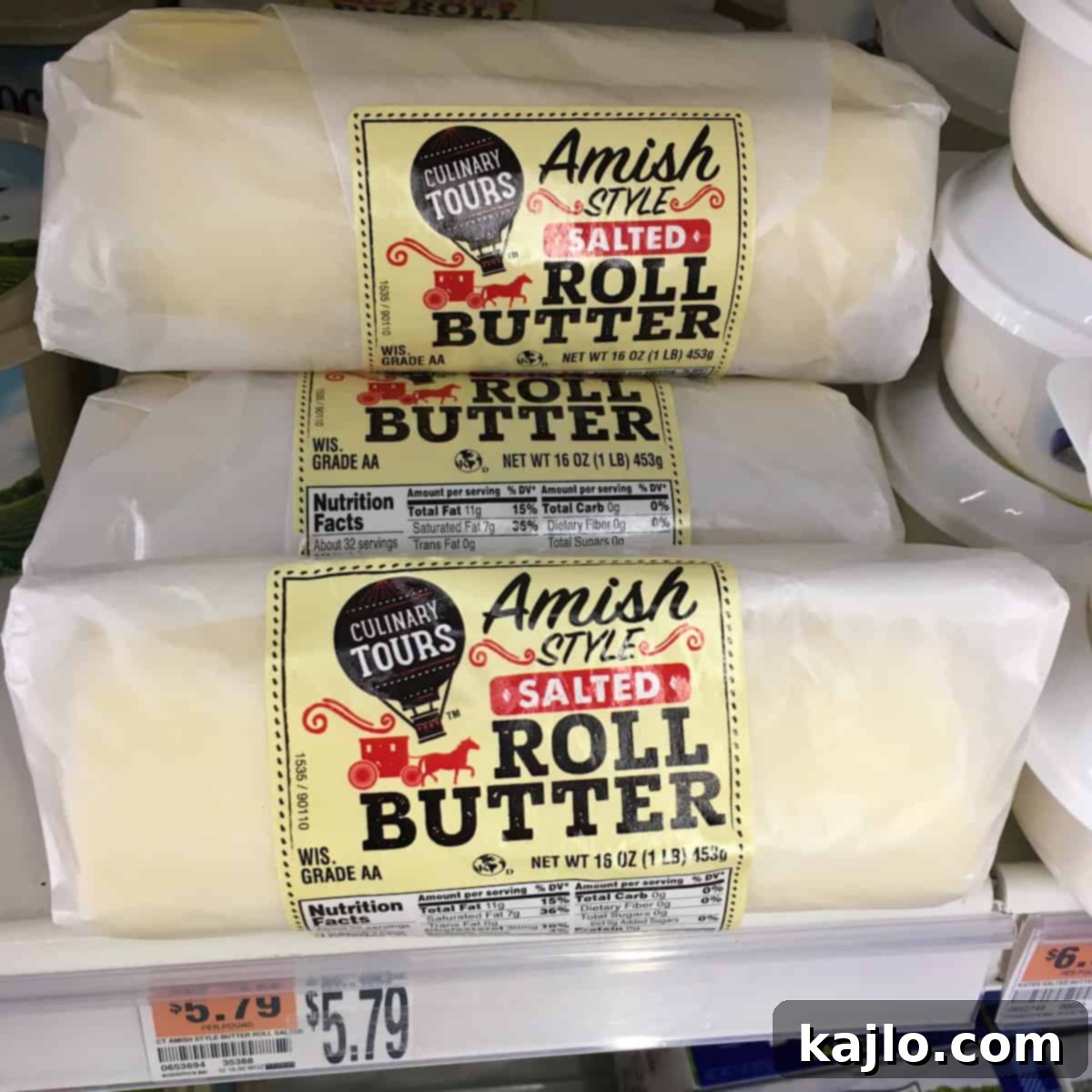
Unveiling the Richness of Amish Butter: A Comprehensive Guide to Roll Butter Excellence
Delve into the delightful world of Amish butter! Often recognized as Amish roll butter, this premium dairy product stands out for its exceptionally high butterfat content and distinctive log or roll shape. Naturally aligning with keto and low-carb diets, it’s also vegetarian and gluten-free, making it a versatile staple for many culinary needs. From elevating your baking creations to enriching the flavor of popcorn or toast, Amish-style butter transforms everyday dishes. This guide explores everything you need to know, including where to find authentic Amish country roll butter and even how to make Amish butter in your own kitchen!
The Allure of Amish Butter: Myth vs. Reality
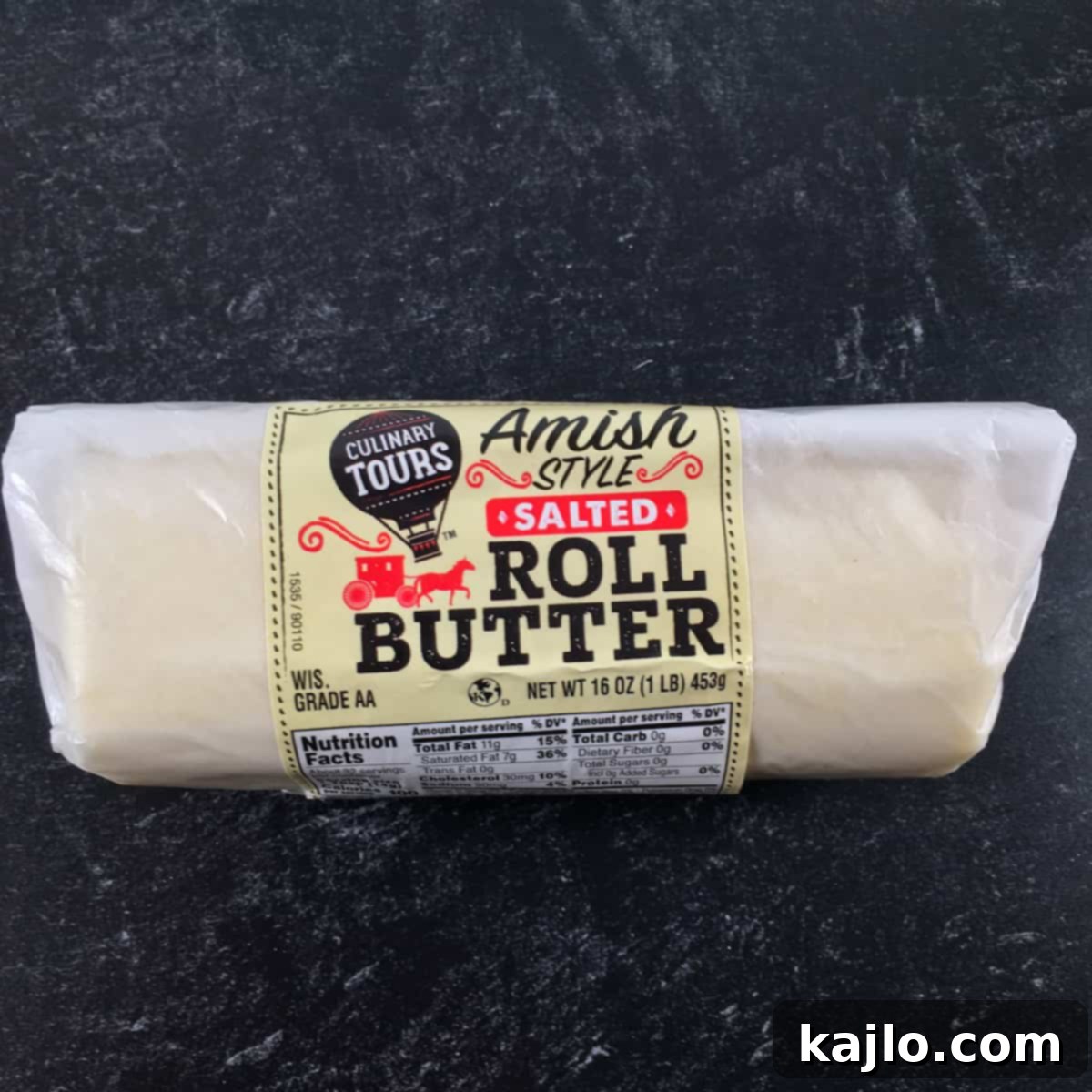
The sight of intriguing Amish butter rolls in supermarkets, meticulously wrapped in parchment or waxed paper, often conjures images of rustic charm and handcrafted quality. These rolls appear to be a product of old-world traditions, lovingly made by skilled hands within the serene Amish community. This romanticized perception contributes significantly to its appeal and often higher price point.
However, it’s important to understand a key distinction: most “Amish butter” found in mainstream grocery stores is not, in fact, produced directly by Amish farmers or communities. While inspired by traditional Amish methods and aesthetics, these commercial products are typically manufactured by larger dairies. The name “Amish-style” or “Amish Country” often refers to its characteristics—the traditional roll shape and higher butterfat content—rather than its direct origin from an Amish farm where butter is churned by hand.
What Sets Amish Butter Apart from Regular Butter?
The primary differences between what is marketed as Amish butter and conventional American butter lie in two main aspects: its unique presentation and its superior butterfat content. Understanding these distinctions helps appreciate why many chefs and home cooks seek out this special butter.
The Distinctive Roll Shape
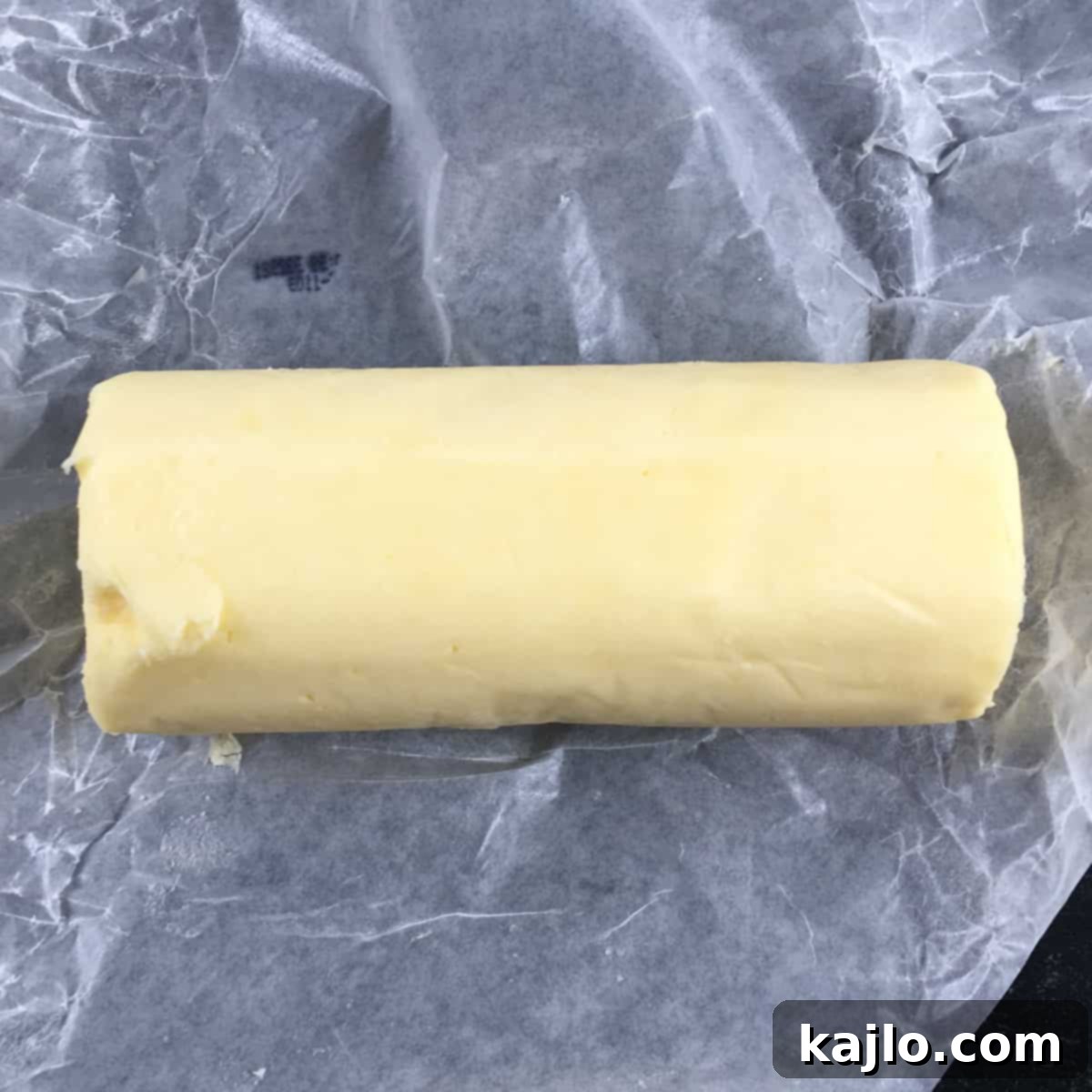
Regular butter is predominantly sold in convenient ¼-pound sticks, a standard in American kitchens. In contrast, Amish-style butter often comes in a hand-rolled, elongated log or roll shape, typically weighing one or two pounds. This traditional presentation is not merely aesthetic; it harks back to historical methods of butter production and packaging. The roll shape was practical for storage and transport in earlier times and can also be quite convenient for bakers, allowing for easy slicing and measurement.
Higher Butterfat Content for Superior Quality
Perhaps the most significant difference between Amish country butter and typical American-style butter is its butterfat percentage. American butter is legally required to contain at least 80% butterfat. European-style butter, exemplified by brands like Kerrygold, undergoes a longer churning process to achieve a higher butterfat content, usually around 82-85%. Amish butter typically falls into this higher range, often containing 84-85% butterfat.
This increased butterfat is not just a number; it translates directly into a richer flavor, a creamier texture, and superior performance in cooking and baking. With less water content, high-fat butter produces flakier pastries, richer sauces, and provides more even browning. While Amish butter shares this high butterfat characteristic with European butter, it’s worth noting that European butter is often cultured, imparting a distinct tangy flavor, whereas most commercially available Amish-style butter is uncultured.
Popular Amish Butter Brands to Look For
While the origin might not always be directly from an Amish farm, several brands craft delicious Amish-style roll butter that captures the essence of this traditional product. Here are some you might encounter in stores or online:
- Minerva Butter (from Minerva Dairy)
- Culinary Tours Amish Roll Butter
- Alcam Creamery Amish Country Hand Rolled Butter
- Amish Country Roll Butter
- Pearl Valley Cheese Amish Country Roll Butter
- Heritage Ridge Creamery Butter (a company with Amish roots, started in 1979)
- Wilson’s Cheese Shoppe Old Fashioned Amish Butter Roll
- Pinconning Cheese Co. Amish Butter Roll
Beyond these, you may also find other brands offering high-fat, rolled butter that isn’t explicitly labeled “Amish-style.” Many grocery store private labels, like Kroger, sometimes offer salted roll butter. Brands such as Farmhouse Kitchens Cooperative also produce hand-rolled butter. For those seeking international options, Lescure butter rolls from France and TekSut rolled butter from Turkey are excellent examples of high-quality rolled butter.
Understanding Amish Butter Nutrition
From a nutritional standpoint, Amish butter is quite similar to regular stick butter, primarily consisting of fat. A single tablespoon of Amish butter typically provides around 100 calories, with virtually 0 grams of net carbs and 0 grams of protein. Almost all the calories in butter are derived from its fat content, making it a highly energy-dense food.
Benefits of Choosing Amish Butter
Why should you consider adding Amish butter to your pantry? Beyond its appealing tradition and presentation, it offers several notable advantages:
- Keto and Low-Carb Friendly: For those following ketogenic or very low-carb diets, butter is an ideal fat source. Its minimal carbohydrate content makes it perfectly compatible. While moderation is always key, the rich flavor and creamy texture of Amish butter can significantly enhance the palatability of keto-friendly meals and snacks.
- Naturally Gluten-Free: Individuals with celiac disease or non-celiac gluten sensitivity (NCGS) can safely enjoy butter. As a pure dairy product, butter is inherently gluten-free, making it a safe and delicious option for those adhering to a GF diet.
- A Minimally Processed, Natural Choice: In a culinary landscape increasingly dominated by ultra-processed foods, butter stands out as a remarkably natural and minimally processed option. Unlike highly refined oils like canola or soy, butter is simple to produce, often requiring just cream and salt. This simplicity resonates with those aiming to consume more whole, unprocessed foods. The ease with which it can be made at home further underscores its natural appeal.
- Unmistakably Delicious: Many connoisseurs believe that Amish butter possesses a distinctly superior flavor compared to regular butter, largely attributed to its higher butterfat content. Its creamy consistency and more complex, nuanced flavor profile truly set it apart. This enhanced taste can elevate everything from a simple piece of toast to elaborate baked goods, providing a luxurious mouthfeel and depth of flavor that is hard to match.
Amish Butter Ingredients and Its Golden Hue
When you examine the label of store-bought Amish butter, you’ll typically find a surprisingly short and simple ingredient list:
- Pasteurized cream
- Salt (for salted varieties)
This straightforward composition highlights its natural appeal. While commercial versions use pasteurized cream for safety and consistency, traditionally made Amish butter might, in some very isolated communities, be made with raw cream. Always check the product label for the most accurate ingredient information.
It’s also worth noting that authentic Amish butter, particularly from smaller, traditional dairies, may not always be derived from entirely pastured or grass-fed cows. The diet of dairy cows in various settings can be supplemented with grains, influencing the butter’s characteristics.
The Mystery Behind Amish Butter’s Yellow Color
You might observe that some Amish butter displays a deep, rich yellow color, while other brands appear lighter. This variation in color is primarily influenced by the diet of the dairy cows producing the milk. Cows that graze on fresh, green pasture consume significant amounts of beta-carotene, a pigment that is then transferred to their milk and concentrated in the butterfat. This results in a naturally deeper yellow hue.
Conversely, cows fed predominantly grain or hay might produce lighter-colored butter. Beyond diet, the yellow color of butter is also naturally intensified by the higher concentration of butterfat compared to the original milk. The more fat, the more concentrated the beta-carotene, leading to a richer color.
Crafting Your Own: How to Make Amish Butter at Home
The satisfying process of making butter involves transforming liquid cream into solid butter, simultaneously separating the buttermilk. While an old-fashioned butter churn is certainly a traditional and effective tool, several modern, simpler methods can achieve excellent results, allowing you to create your own Amish-style butter from scratch.
Methods for Butter Making
For a truly traditional experience, a manual butter churn can be used, offering a glimpse into historical food preparation. A no-appliance method involves simply shaking heavy cream in a sealed glass mason jar; while requiring effort and time, it’s a fun activity, especially for children, to see the butter and buttermilk separate.
An immersion blender can also be employed, but it tends to be quite strenuous on the hands and typically takes about 10 minutes. As the cream thickens into butter, it can stick to the blade, necessitating frequent scraping to continue blending effectively. This method can also be quite messy.
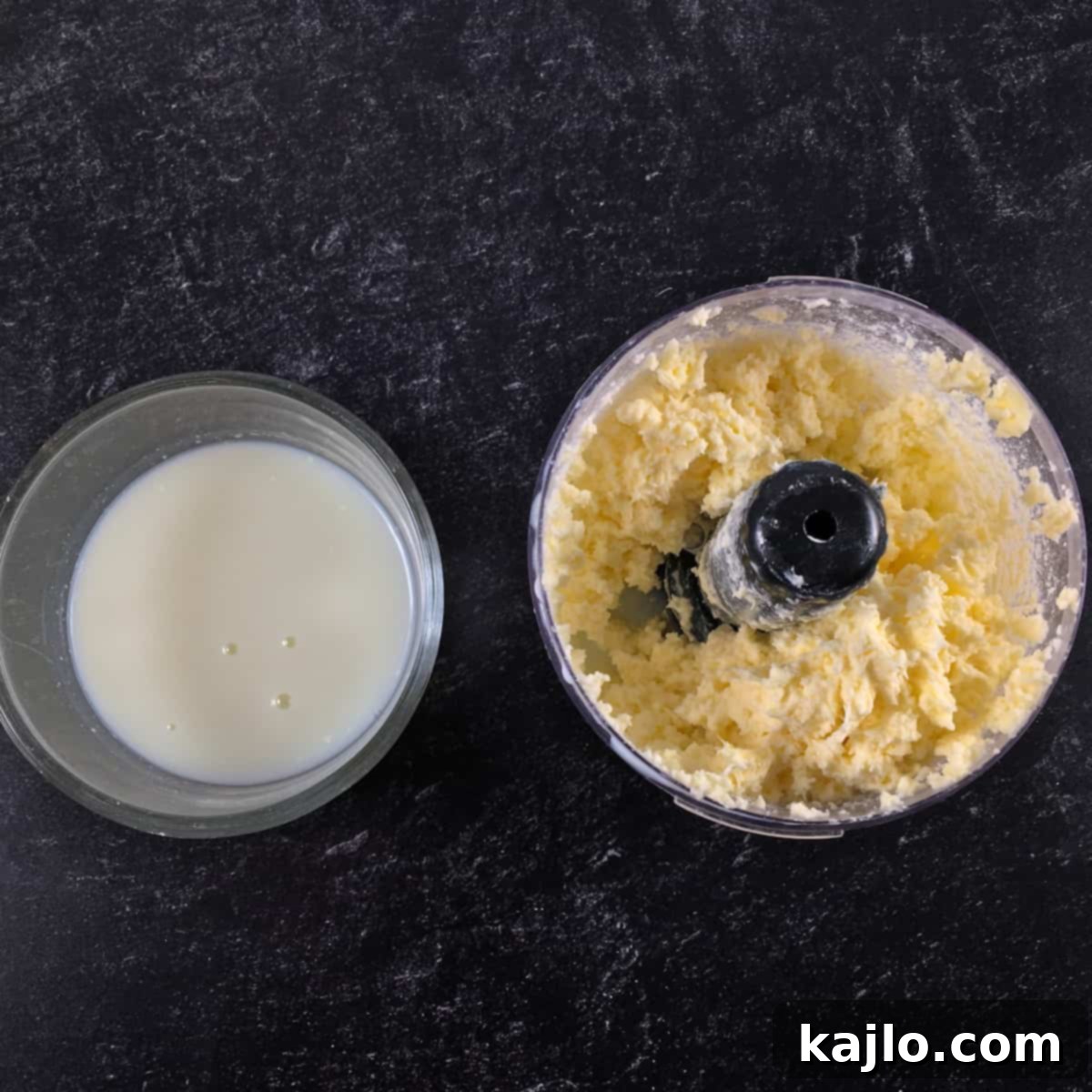
From a practical standpoint, using a small food processor, such as a mini chopper, is arguably the best and most efficient way to make butter at home. A smaller chopper (e.g., 1.5 cups capacity) works wonderfully because it keeps the cream contained and in constant contact with the blade. With larger food processors, you might frequently need to stop and scrape down the sides, whereas a small chopper often only requires one or two scrapes.
The Food Processor Method
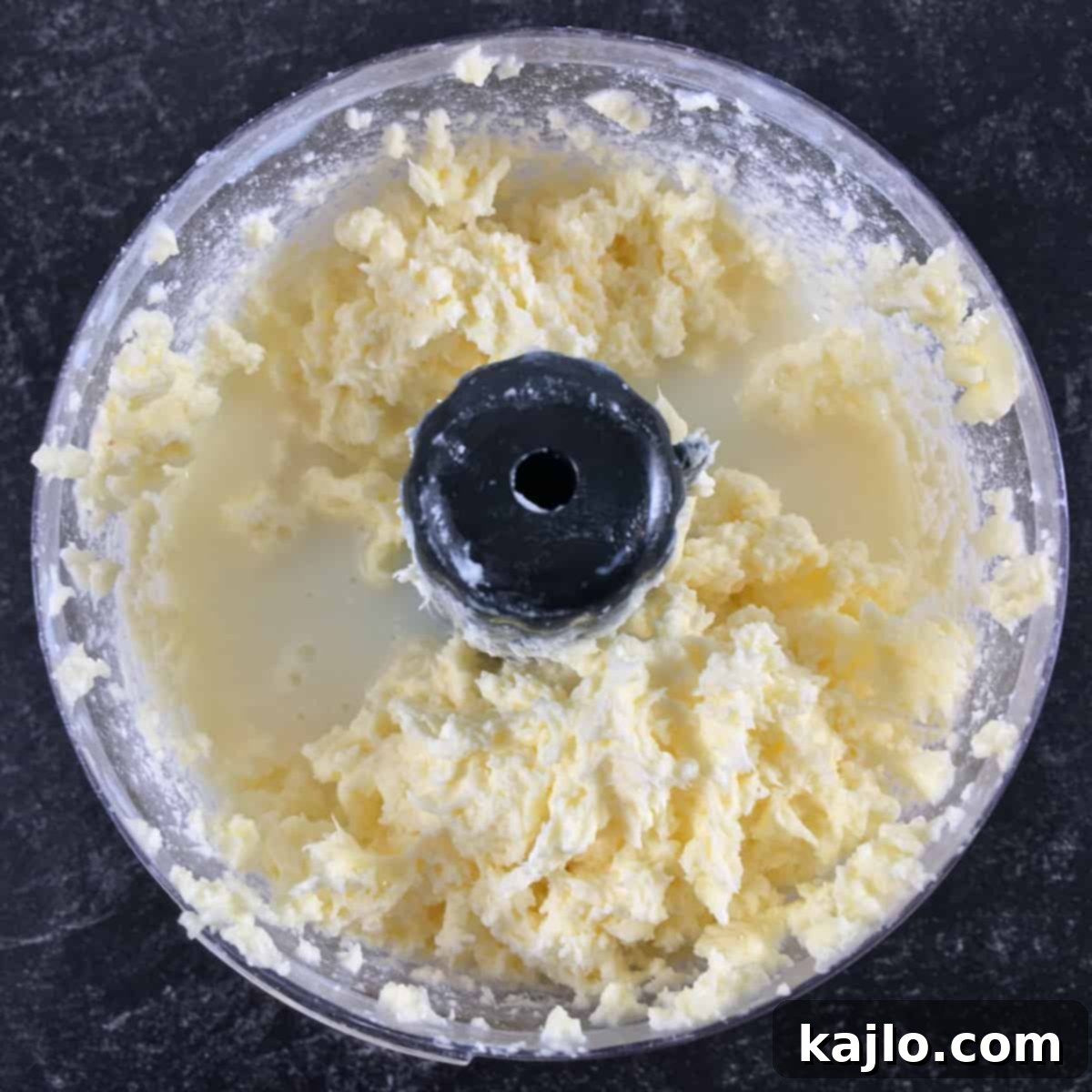
In a food processor, the process is remarkably quick. Simply add heavy cream (and salt, if desired). Within just a couple of minutes, the cream will transform into whipped cream. Continue blending past this stage. The continuous agitation will cause the fat globules in the cream to clump together, eventually separating into solid butter and liquid buttermilk. The entire transformation typically takes 5 minutes or even less.
Washing and Shaping Your Homemade Butter
Once the butter and buttermilk have separated, carefully lift the solid butter out of the processor. The remaining buttermilk is a delicious byproduct and should not be discarded; it can be used in various recipes, such as pancakes, biscuits, or marinades. Collecting the butter into a ball, place it in a bowl of very cold water. This step, known as “washing the butter,” is crucial for removing any residual buttermilk, which can cause the butter to spoil quickly and develop an off-flavor. Squeeze the butter repeatedly under the cold water to expel the buttermilk. Change the water and repeat the squeezing process multiple times until the water remains clear, indicating that most of the buttermilk has been removed.
How to Mold and Store Homemade Butter
After washing, your homemade butter is ready for shaping. You can hand-roll it into an irregular log shape, mimicking the traditional Amish butter roll. Alternatively, for more consistent portions or decorative presentations, pack the butter into molds. Silicone molds, candy molds, or even ice cube trays work exceptionally well. Freezing the molds after packing the butter makes it significantly easier to remove the butter cleanly from its shape.
Storage and Freezing Guidelines for Amish Butter
Proper storage is essential to maintain the freshness and extend the shelf life of both store-bought and homemade Amish butter. Like all dairy products, butter must be refrigerated or frozen.
Store-bought Amish butter, when kept wrapped in its original packaging, can last for approximately one month in the refrigerator. To extend its life significantly, freezing is an excellent option. Place the butter in a freezer bag, pressing out as much air as possible to prevent freezer burn. Frozen Amish butter can maintain its quality for up to one year.
Homemade butter, due to its potentially less thorough removal of buttermilk and lack of preservatives, has a shorter refrigerator shelf life. It can typically be stored in the fridge for 1-3 weeks. The more meticulously you wash out the buttermilk during the preparation process, the longer your homemade butter will remain fresh in the refrigerator.

Accurately Measuring Amish Butter
Unlike stick butter, which often features convenient tablespoon increment marks on its packaging, Amish butter rolls do not. This can make precise measurement a bit trickier, especially for baking where accuracy is important. To measure Amish butter accurately, a kitchen scale is your best friend: 14 grams of butter is equivalent to one tablespoon. Alternatively, for less precise needs, you can use standard measuring spoons and visually estimate.
Frequently Asked Questions About Amish Butter
Where can I buy Amish butter near me?
If you reside in or near Amish country, a simple online search for “Amish store near me” is your best bet for finding authentic Amish butter, often alongside other traditional products like Amish peanut butter. Farmer’s markets are another excellent source for local or artisanal butter. For broader availability, check larger supermarket chains such as Costco, Publix, Super Walmart, and Whole Foods, as they occasionally stock Amish-style roll butter in their dairy sections or specialty food aisles.
Where can I buy Amish butter online?
Online retailers offer a convenient way to purchase Amish butter, especially if local options are scarce. Amazon is a popular platform where you can find various brands, with options available here and here. Be aware that due to its artisanal nature and often higher shipping costs (especially for refrigerated goods), Amish butter tends to be more expensive online than when purchased locally. Shopping in person will almost always offer better value.
What is Amish butter used for?
Amish butter is incredibly versatile and can be used in any application where you would use regular butter. Its higher butterfat content makes it particularly excellent for baking, contributing to flakier crusts and richer textures. It’s also fantastic for pan-frying, sautéing, or simply spreading on warm bread, especially after allowing it to soften at room temperature for a short time to make a delightful Amish butter spread. You can even use it to create gourmet sauces or to add a finishing richness to cooked vegetables and meats.
Is Amish butter healthy?
Nutritionally, Amish butter is very similar to standard stick butter. As an added fat, it is notably high in saturated fat. While butter can certainly be a part of an overall healthy, balanced diet, it’s not the best choice if your primary goal is to improve cholesterol levels by significantly reducing saturated fat intake. A registered dietitian’s perspective suggests that while butter adds wonderful flavor and richness, it should be consumed mindfully, especially if you are managing specific health conditions or weight. For fat loss, prioritizing fats from whole food sources (like avocados, nuts, seeds) might be more beneficial, as added fats like butter are very energy-dense and easy to overconsume.
Can you get unsalted Amish butter?
Yes, unsalted varieties of Amish butter are available, alongside the more common salted options. Brands like Pearl Valley Amish butter often offer both. However, availability can vary significantly by store and region. If you cannot find unsalted Amish butter at your local grocery store, purchasing it online may be a viable alternative.
Creative Ways to Use Your Amish Butter
Ready to put that rich, creamy Amish butter to good use? Its superior quality makes it perfect for a wide range of recipes that call for regular butter. Here are some inspiring ideas to get you started:
- Use it as the foundation for tender, flavorful Kodiak Cake Cookies.
- Incorporate it into moist and delicious Kodiak Blueberry Muffins for an extra touch of richness.
- Melt it generously over fluffy Pancakes or crispy Air Fryer Frozen Waffles for a truly decadent breakfast.
- Create a luxurious Cheese Sauce with Amish butter as the base, perfect for pasta, vegetables, or nachos.
- Enhance roasted vegetables, grilled meats, or seafood with a knob of melted Amish butter for unparalleled flavor.
- Prepare garlic butter or herb butter for a gourmet spread or cooking enhancer.
Watch How to Make It!

Learn about Amish butter rolls! Watch the video here.
Amish Butter Roll Review and Recipe
Summer Yule
Make your own Amish-style butter roll!
Rate Recipe | Print Recipe | Pin Recipe
Prep Time: 5 mins
Total Time: 5 mins
Course: Slow Food DIY
Cuisine: American
Servings: 6
Calories: 100 kcal
Ingredients
- 1 cup heavy cream
- ⅛ teaspoon salt
Love this recipe? Please leave a comment below 😊
Instructions
- In a small food processor, blend the heavy cream and salt until it becomes whipped cream (this takes a couple of minutes). Continue blending until the buttermilk separates from the butter. The entire process takes 5 minutes or less.
- Next, lift the butter out of the buttermilk. The buttermilk left in the processor can be used in other recipes (it’s delicious, don’t discard it!).
- Collect the butter into a ball and place it in a bowl of cold water. Squeeze out the remaining buttermilk. Take the butter out, change the water in the bowl, add the butter back, and squeeze it again. Repeat with another change of water if needed until the water runs clear.
- After making the butter, you can hand-roll it into an irregular log shape to create your own Amish butter roll. Wrap it in parchment paper or waxed paper, and store it in the fridge.
Equipment
- Mini Chopper
- Parchment Paper
Notes
💭 Expert Tips from Dietitian Summer Yule
This is a level 3 recipe (weight maintenance and active lifestyles). Amish butter is extremely delicious, but it counts as an added fat. One common mistake, especially when aiming for weight loss, is adding an excessive amount of added fat to meals.
Butter contains slightly fewer calories than olive oil (approximately 100 calories versus 120 calories per tablespoon, thanks to its dairy solids). However, calories can quickly accumulate if butter is generously slathered on foods or added in copious amounts to beverages.
If your goal is fat loss, it’s generally recommended to obtain the majority of your fat intake from whole food sources. Added fats, including butter, are highly energy-dense and can be easy for some individuals to overeat. Additionally, limiting foods high in saturated fat, such as butter, may be beneficial for those striving to lower their blood cholesterol levels.
Nutrition information provided is for one tablespoon of Amish butter.
nutrition info disclaimer
All recipes on this website may or may not be appropriate for you, depending on your medical needs and personal preferences. Consult with a registered dietitian or your physician if you need help determining the dietary pattern that may be best for you.
The nutrition information is an estimate provided as a courtesy. It will differ depending on the specific brands and ingredients that you use. Calorie information on food labels may be inaccurate, so please don’t sweat the numbers too much.
“To taste” means to your preferences, which may have to be visual to follow food safety rules. Please don’t eat undercooked food.
Nutrition
Calories: 100 kcal | Fat: 11 g | Saturated Fat: 7 g | Sodium: 90 mg
Keywords: amish butter, amish butter recipe, amish butter roll, amish hand rolled butter, amish roll butter, amish rolled butter, hand roll butter, hand rolled butter, rolled butter amish
Shop our cookbook! Easy Air Fryer Recipes for One
Burning your air fryer recipes? Here’s how to fix it!
Join our community! Subscribe for all of the latest and greatest recipes, and follow me on Facebook, Pinterest, Instagram, and YouTube!