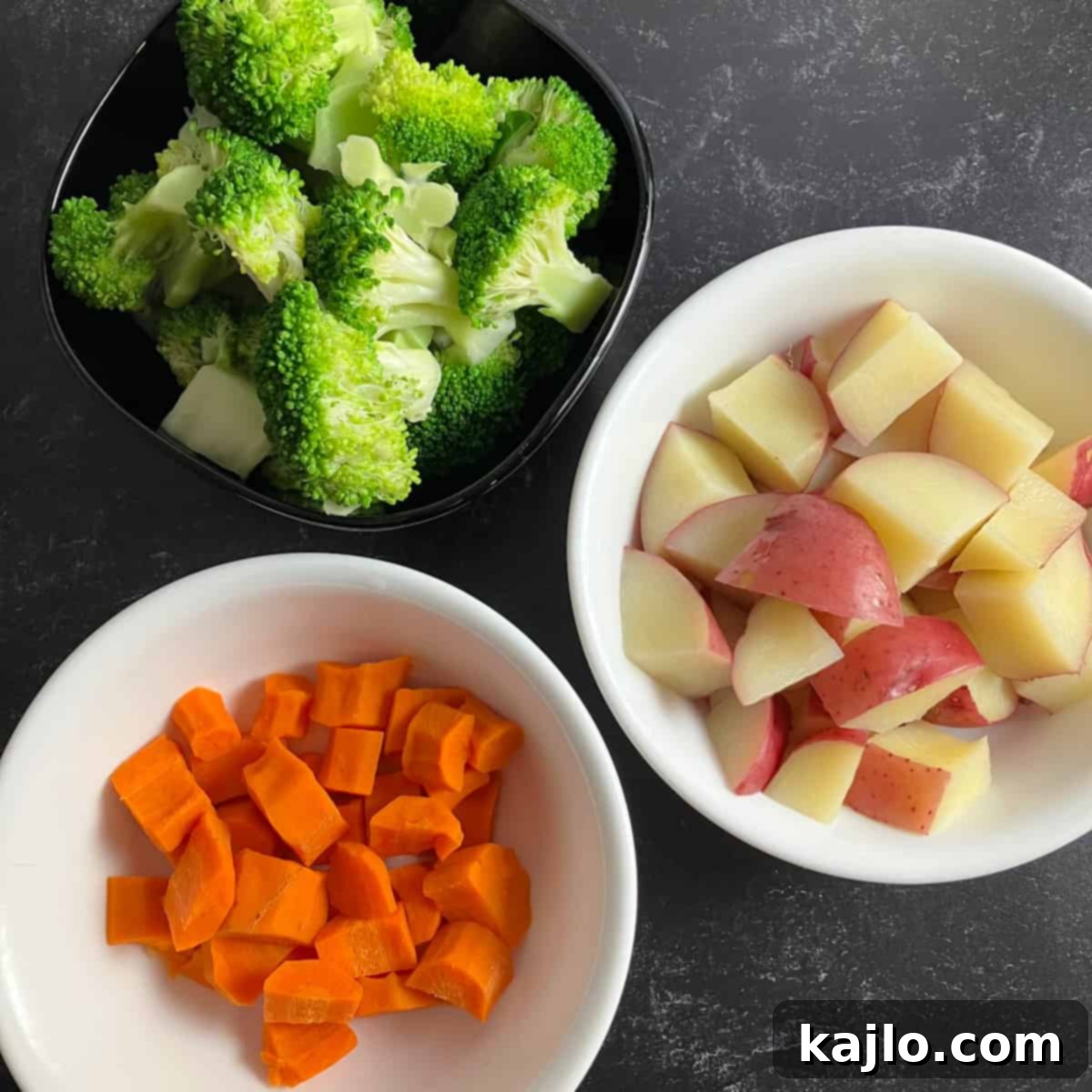
How to Microwave Vegetables: Your Ultimate Guide to Quick, Healthy Steaming
Discover the ultimate kitchen hack for effortlessly preparing nutritious meals! Learning how to microwave vegetables is not just convenient; it’s an incredibly efficient way to boost your daily nutrient intake. This comprehensive guide will walk you through the simple steps of steaming vegetables in a microwave, allowing you to create delicious and healthy side dishes without the need for specialized equipment or pre-packaged microwave bags.
You’ll learn about the best vegetables to microwave, get expert tips on how to make vegetables in microwave taste better, and understand the fantastic nutritional benefits. Embrace this time-saving method to enjoy fresh, vibrant vegetables year-round, transforming your cooking routine and making healthy eating simpler than ever.
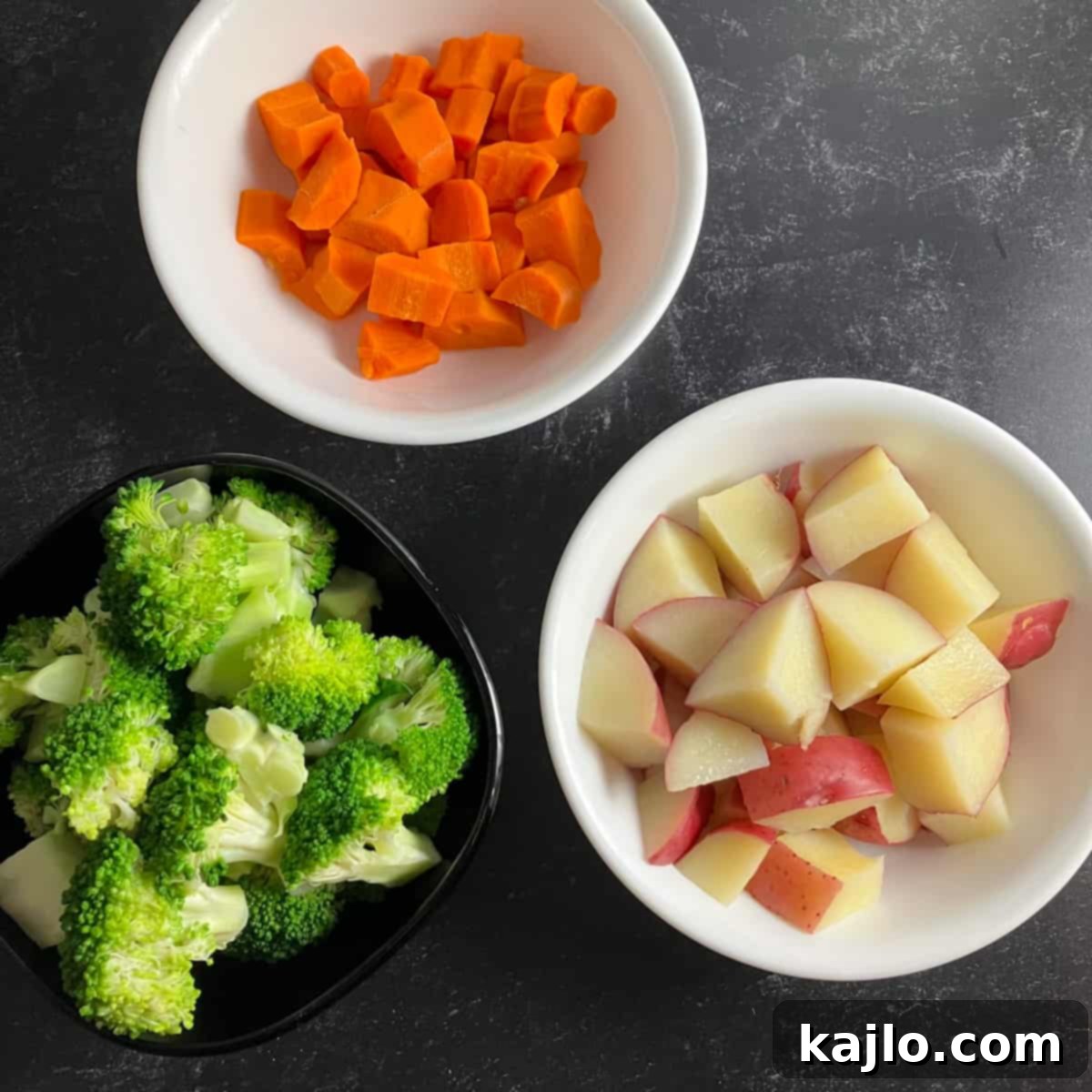
Why Choose to Microwave Your Vegetables?
Many people wonder, “Is it okay to cook vegetables in the microwave?” The answer is a resounding yes! Microwaving is a highly effective cooking method, particularly for steaming vegetables, and it offers several compelling advantages:
- Speed: Vegetables cook in mere minutes, making it perfect for busy weeknights or when you need a quick side dish.
- Nutrient Retention: Unlike boiling, which can leach out water-soluble vitamins, microwaving uses minimal water and shorter cooking times, helping to preserve more nutrients.
- Simplicity: You don’t need fancy gadgets. A microwave-safe bowl and some plastic wrap are all it takes to steam veg in a microwave.
- Versatility: This method works for a wide variety of fresh and frozen vegetables, allowing for endless healthy meal combinations.
- Energy Efficiency: Microwaves generally use less energy than traditional ovens or stovetops for cooking smaller portions.
If you’re looking for a new, delicious way to prepare different kinds of vegetables throughout the year, this microwave vegetable recipe technique will become your go-to. It’s a true game-changer for saving time in the kitchen and enjoying consistently perfectly cooked vegetables. So, let’s get started with your favorite fresh veggies!
How to Microwave Vegetables: A Step-by-Step Guide
Follow these simple directions for how to cook vegetables in microwave for perfectly steamed results every time:
Prepare Your Vegetables
Begin by thoroughly rinsing your chosen vegetables under cool water. Gently scrub off any dirt or debris. Once clean, chop the vegetables into uniform, bite-sized pieces. Consistency in size is key for even cooking, ensuring all pieces become tender at the same rate.
Place in a Microwave-Safe Bowl with Water
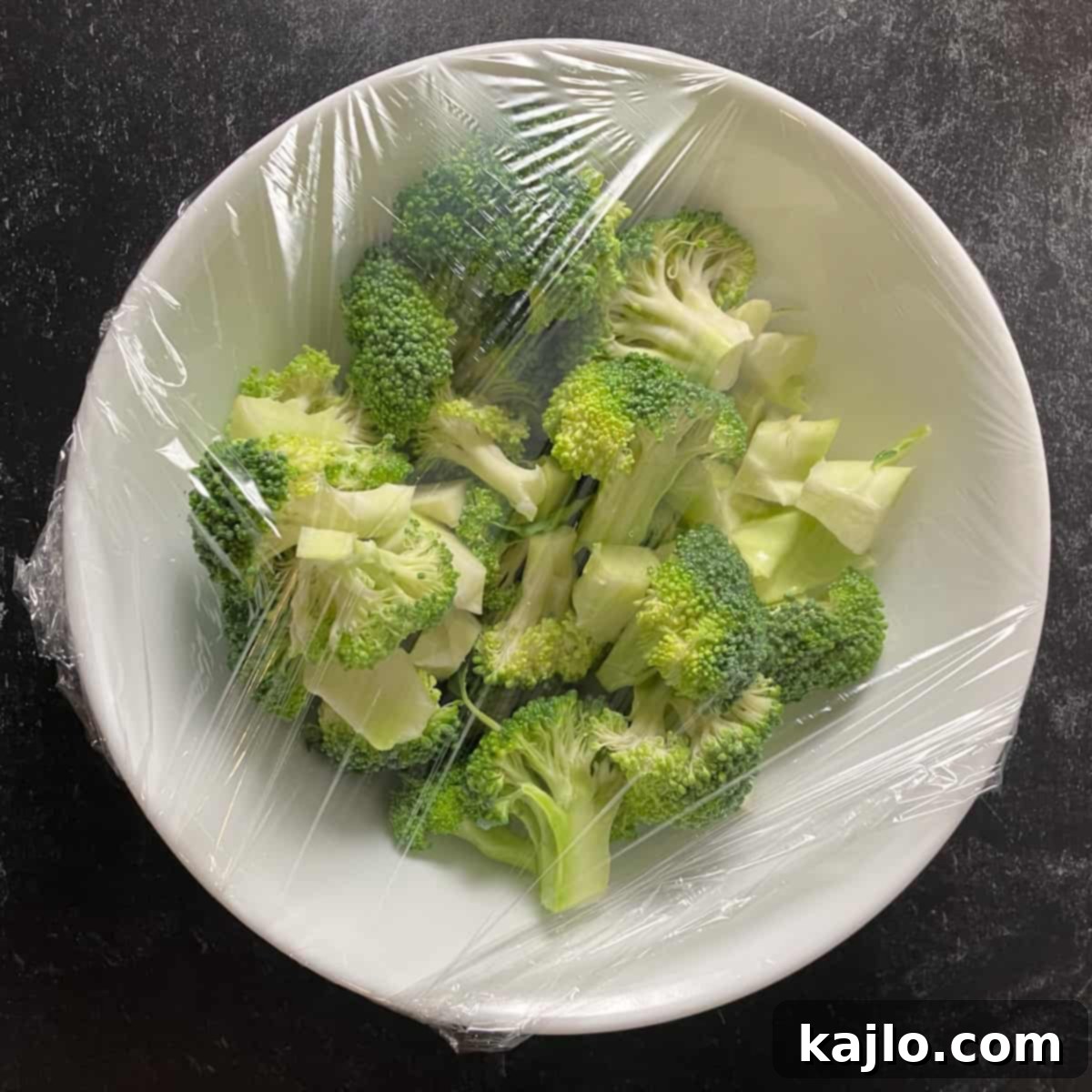
Transfer the prepared vegetables into a microwave-safe bowl. Add approximately ¼ cup of water to the bowl. This small amount of water is crucial for creating a steaming environment, which helps cook the vegetables gently and prevents them from drying out. Cover the bowl with microwave-safe plastic wrap, but remember to leave one corner of the wrap slightly lifted. This small opening allows excess steam to vent, preventing over-pressure while still trapping enough moisture for effective steaming. Ensure the plastic wrap does not directly touch the food.
Microwave Until Tender
Microwave the vegetables on high for 3-5 minutes. The exact cooking time will vary based on the type and density of the vegetables you’re cooking, as well as the wattage of your microwave oven. Denser vegetables like potatoes will generally take longer than more delicate ones like broccoli or spinach. For example, broccoli and carrots typically take around 3 minutes, while potatoes might require 5 minutes. Always check for fork-tenderness to ensure they are cooked to your liking.
Drain, Season, and Serve
Once microwaved, carefully remove the plastic wrap (be cautious of hot steam escaping!). Drain any remaining cooking water from the bowl. Now is the time to add your favorite seasonings. A simple sprinkle of salt and pepper is often enough to enhance their natural flavor, but feel free to experiment with herbs, spices, or sauces. Serve immediately as a fresh, healthy side dish.
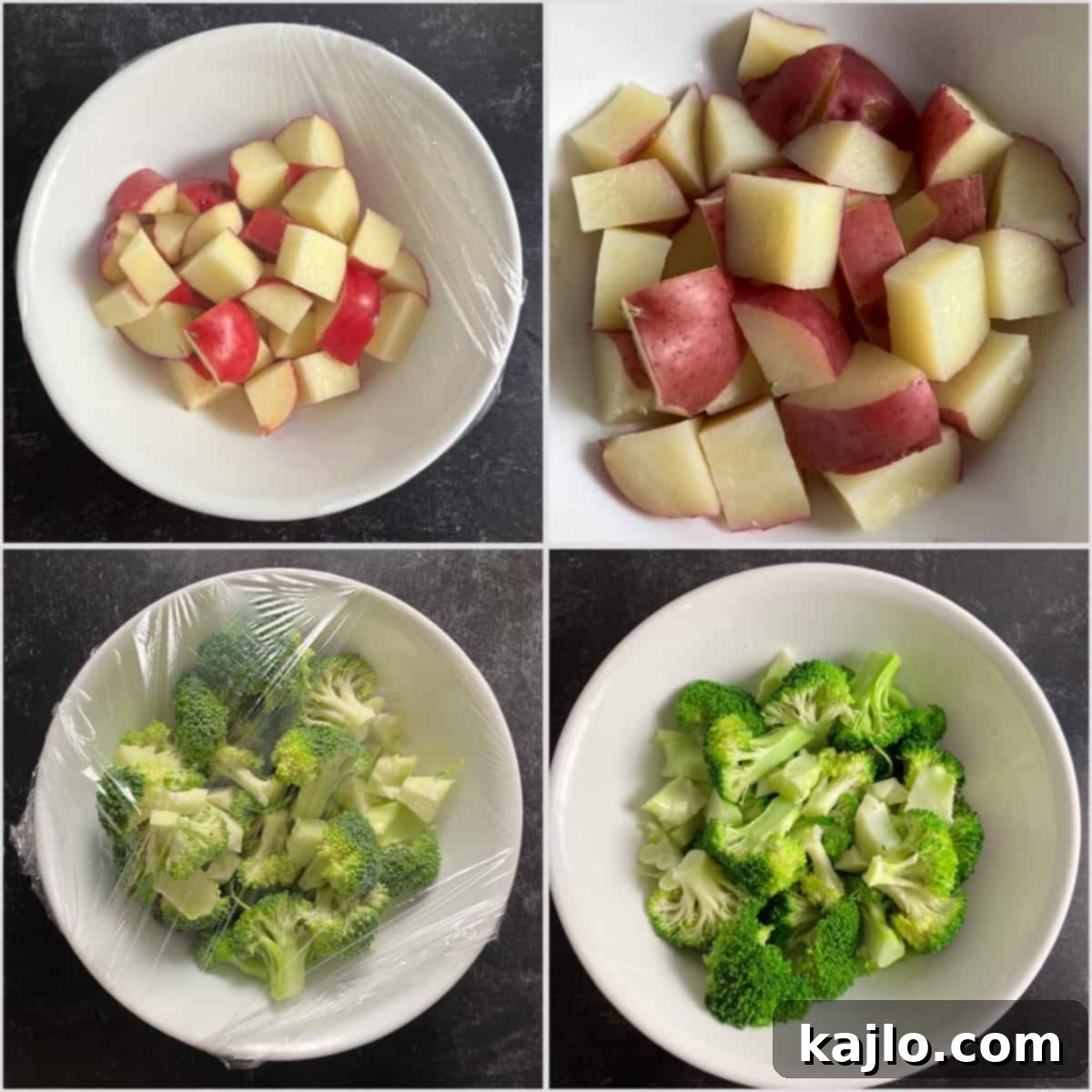
Microwave Vegetable Cooking Times Chart
This chart provides estimated cooking times for various fresh vegetables, based on a 1000W microwave oven. Please remember that individual microwave ovens can vary in power, and personal preference for vegetable tenderness may also affect ideal cooking times.
| Type of Vegetable* | Microwave Time (minutes) |
|---|---|
| Steam Broccoli in Microwave (9-10 oz) | 3 |
| Microwave Carrots (2 medium carrots) | 3-4 |
| Potatoes (12 oz) | 5 |
| Microwave Green Beans (9-10 oz) | 3-4 |
| Microwave Asparagus (9-10 oz) | 3 |
| Brussels Sprouts (12 oz) | 5 |
| Microwave Sweet Corn (1 cup) | 2 |
| Spinach Leaves | 1-2 |
| Microwave Bok Choy | 2-3 |
| Cauliflower (9-10 oz) | 3 |
| Turnip (12 oz) | 5 |
| Microwave Parsnips (2) | 3-4 |
| Peas (1 cup) | 2 |
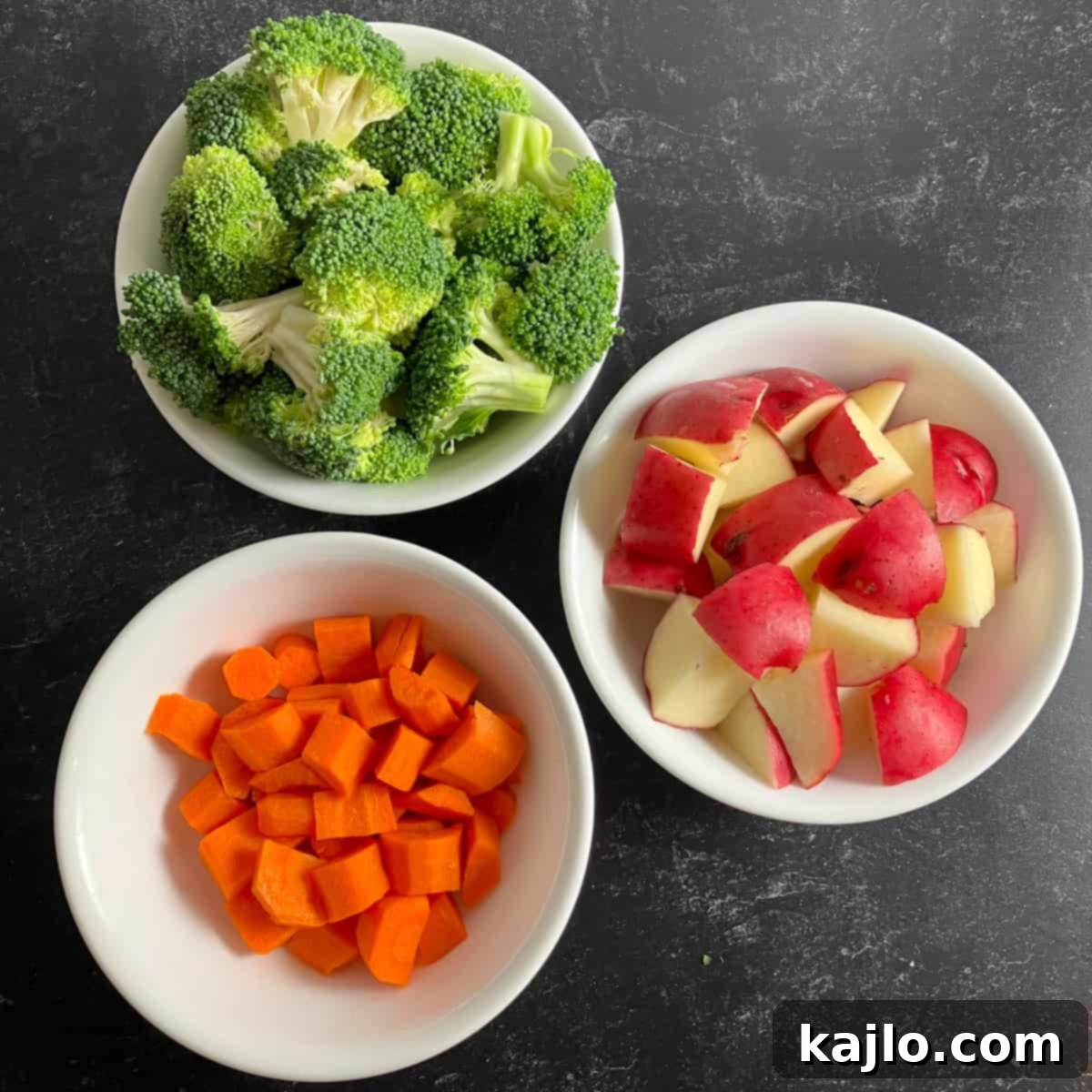
As a general rule, denser vegetables that are harder in texture will require a slightly longer cook time to become fork-tender compared to more delicate, leafy greens. If you plan to microwave a medley of vegetables simultaneously, it’s best to choose vegetables with similar densities and chop them into roughly equal sizes to ensure consistent cooking.
What Happens When You Microwave Vegetables?
When you microwave vegetables using this method, they primarily get steamed. The moisture from the added water, combined with the vegetables’ natural water content, creates steam within the covered bowl. This steam gently cooks the vegetables from the inside out, making them tender and flavorful. It’s important to understand that microwaving will not yield crispy vegetables, like those achieved through roasting or grilling. For that desired crisp texture, other cooking methods are more suitable. However, for a soft, tender, and moist result, steaming in the microwave is unmatched.
Best Vegetables to Microwave
Wondering what vegetables can you microwave? The good news is many vegetables are excellent candidates for microwaving. Here’s a list of some of the best choices for perfectly microwaved vegetables:
- Broccoli: Florets become vibrant green and tender-crisp.
- Cauliflower: Similar to broccoli, versatile for mashing or as a rice alternative.
- Corn: Fresh or frozen kernels, or even corn on the cob, cook beautifully.
- Potatoes: Cubed or small whole potatoes steam quickly for easy sides.
- Sweet Potatoes: Cubed sweet potatoes soften perfectly for a healthy carb.
- Butternut Squash: Cubed, it becomes soft and sweet, ideal for purees or side dishes.
- Peas: Fresh or frozen, they cook in a flash.
- Asparagus: Delicate spears retain their snap and flavor.
- Green Beans: Tender-crisp and ready in minutes.
- Carrots: Slices or sticks soften while retaining a slight bite.
- Beets: Diced beets can be steamed until tender for salads or side dishes.
- Spinach: Wilts quickly, perfect for a fast nutrient boost.
- Zucchini: Slices or half-moons become tender without getting mushy.
How to Microwave Broccoli
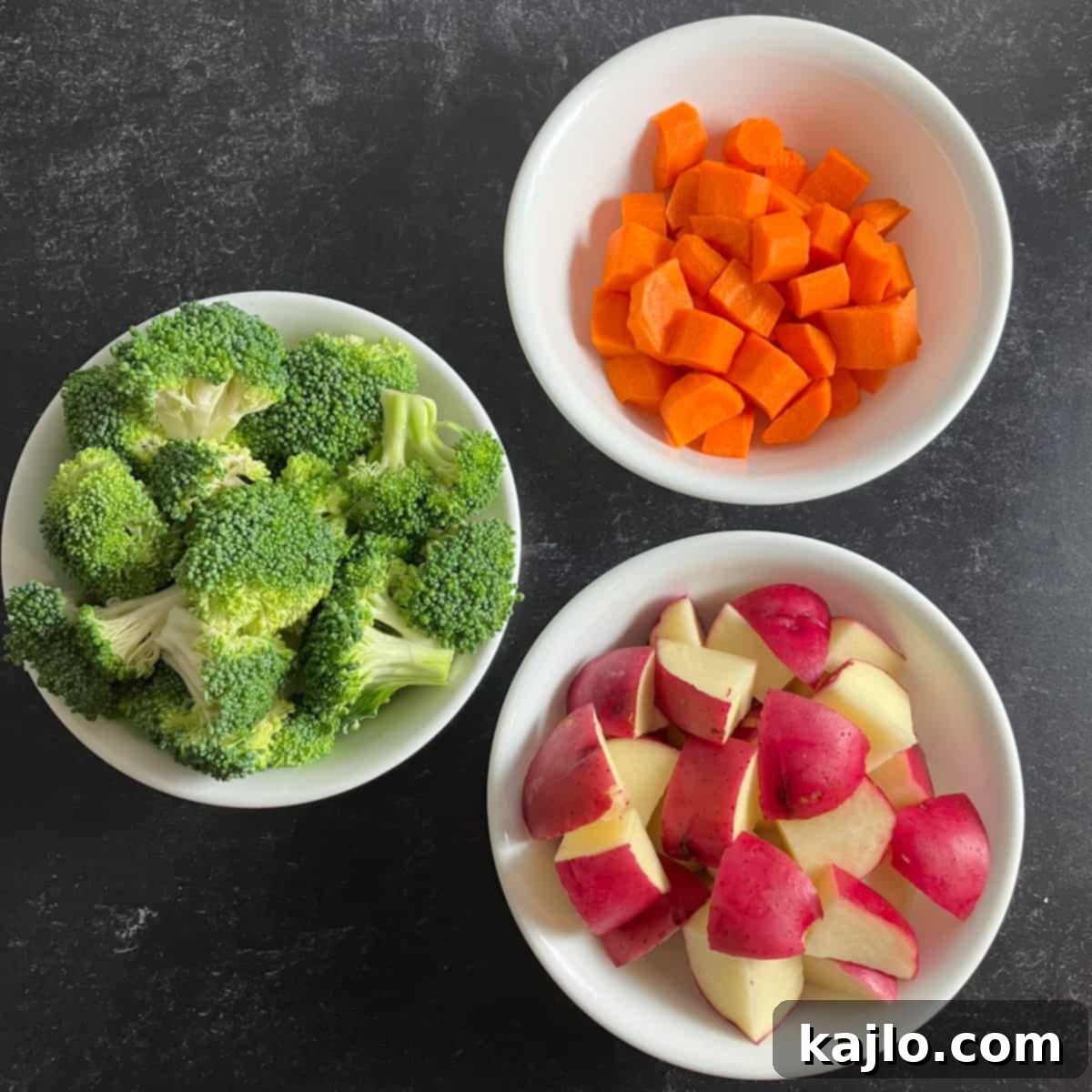
Microwave broccoli is a staple for quick, healthy meals. To prepare, cut 9-10 ounces (about 255-283g) of fresh broccoli into bite-sized florets, discarding any tough stalks. Place the florets in a microwave-safe container with ¼ cup of water. Partially cover the container with microwave-safe plastic wrap, leaving a small gap for ventilation. Microwave on high for 3 minutes. After cooking, carefully drain any excess water, season with a pinch of salt and a squeeze of lemon, and serve immediately for a vibrant, tender side.
How to Microwave Carrots
Microwave carrots are delightfully sweet and tender. Take 2 medium carrots and cut them into ½-inch (1.27cm) thick half-moon slices. Place these slices in a microwave-safe bowl with ¼ cup of water. Cover the bowl partially with microwave-safe plastic wrap, ensuring a vent. Microwave on high for 3-4 minutes, or until the carrots are tender when pierced with a fork. Drain the water, and season simply with a knob of butter and a sprinkle of fresh parsley for an elevated taste.
How to Microwave Potatoes
Microwave potatoes are fantastic for a quick, comforting side. Cut 12 ounces of thin-skinned potatoes (such as Yukon Gold or red potatoes) into 1-inch (2.54cm) cubes. Place the potato cubes in a microwave-safe bowl with ¼ cup of water. Cover partially with microwave-safe plastic wrap. Microwave on high for 5 minutes. The potatoes should be tender and easily pierced with a fork. Drain the hot cooking water, then season generously with salt, pepper, and perhaps some garlic powder or chopped chives for extra flavor.
Are Microwaved Vegetables Less Nutritious? Dispelling Myths
Contrary to popular belief, microwave vegetables nutrient loss is generally minimal and often less than with other cooking forms, particularly boiling on the stovetop. Nutrient degradation in vegetables is typically influenced by several factors: extended storage, high cooking temperatures, and prolonged exposure to water (as in boiling). Steaming fresh vegetables in the microwave, using only a small amount of water for a short duration, actually helps to preserve more heat-sensitive and water-soluble nutrients like Vitamin C and B vitamins compared to methods that involve submerging vegetables in large amounts of water or cooking them for extended periods.
Microwaving also often preserves beneficial phytochemicals that contribute to overall health. The quick cooking time minimizes the breakdown of these compounds, ensuring you get the most nutritional value from your vegetables. So, far from being less nutritious, correctly microwaved vegetables can be a highly effective way to maintain their inherent goodness.
Can You Get Cancer from Microwave Vegetables?
This is a common concern that can be confidently debunked: No, microwaving vegetables does not cause cancer (source). Microwaves operate by using electromagnetic radiation to excite water molecules within food, generating heat. This type of radiation is non-ionizing, meaning it does not have enough energy to remove electrons from atoms or damage DNA, which is the mechanism by which ionizing radiation (like X-rays) can contribute to cancer risk.
In fact, quite the opposite is true: cooking veggies in the microwave makes it easier to incorporate more vegetables into your diet, which is strongly associated with reducing the risk of various cancers. Vegetables are rich in fiber, antioxidants, and beneficial phytochemicals, all of which play a crucial role in cancer prevention. By making vegetable preparation quick and easy, microwaving empowers you to eat healthier and support your body’s natural defenses against disease.
How to Make Microwave Vegetables Taste Good
How do you add flavor to microwave vegetables? The key to delicious microwave vegetable recipes often lies in what you add after cooking. Once your vegetables are perfectly steamed, elevate their flavor with any of these simple additions:
- Fresh & Zesty: A squeeze of fresh lemon or lime juice brightens flavors.
- Spicy Kick: A dash of your favorite hot sauce or a sprinkle of chili flakes.
- Aromatic Herbs: Finely chopped fresh herb sprigs like parsley, cilantro, dill, or chives.
- Garlic Goodness: Minced fresh garlic, garlic powder, or roasted garlic paste.
- Onion Family Flavors: Sliced green onion or fresh chives.
- Savory Seasonings: Everything bagel seasoning, Italian seasoning, or other herb blends.
- Rich & Creamy: A small pat of butter or a drizzle of good quality olive oil.
- Cheesy Indulgence: A sprinkle of shredded cheese (cheddar, mozzarella) or grated Parmesan cheese.
- Umami Boost: Crumbled cooked bacon, a dash of soy sauce, or nutritional yeast.
- Classic Enhancers: Simple salt and freshly ground black pepper, adjusted to your preference.
Experiment with different combinations to find what you and your family enjoy most. Adding seasonings after cooking ensures their vibrant flavors are not lost in the steaming process.
Microwave Vegetables Nutrition
Microwave vegetables are a nutritional powerhouse, naturally fitting into a wide array of healthy dietary patterns. They are perfectly suited for vegetarian, vegan, and plant-based diets, as well as low-fat, gluten-free, and dairy-free lifestyles. Non-starchy vegetables, in particular, align well with low-carb and ketogenic diets.
In general, vegetables are abundant sources of essential vitamins and minerals. They are typically rich in Vitamin C, a powerful antioxidant crucial for immune function, and dietary fiber, which supports digestive health and satiety. Many vegetables also provide significant amounts of potassium, vital for blood pressure regulation. Depending on the type of vegetable, you can also benefit from Vitamin A (important for vision and skin), Vitamin K (for blood clotting), and various B vitamins, along with a spectrum of beneficial plant compounds. Integrating regularly microwaved vegetables into your meals is an easy and effective strategy to enhance your overall nutritional intake.
Watch How to Make It!
While the original video cannot be embedded here, you can find many visual guides online to assist you with this simple microwaving technique. Just search for “how to microwave vegetables tutorial”.
Microwaving Vegetables (How to Microwave Vegetables)
By Summer Yule
Learn how to microwave vegetables! Microwaving vegetables is not only okay, it’s an easy way to get more nutrients in your diet.
Cook Time: 5 minutes
Total Time: 5 minutes
Course: Side Dish
Cuisine: American
Servings: 2
Calories: 43 kcal
Ingredients
- 9-10 ounces fresh broccoli, chopped (255-283g) OR
- 2 medium carrots ½-inch thick slices (1.27cm) OR
- 12 ounces thin-skinned potatoes 1-inch cubes (2.54 cm) OR
- your favorite veggies
- ¼ cup water
Love this recipe? Please leave a comment below 😊
Instructions
- Rinse vegetables and scrub off any dirt. Chop veggies into bite-sized pieces.
- Put vegetables in a microwave-safe bowl with ¼ cup water. Cover the bowl with microwave-safe plastic wrap, leaving one corner of the wrap lifted for ventilation. The plastic wrap should not touch the food.
- Microwave vegetables for 3-5 minutes, depending on the type of vegetables and strength of your microwave oven. Broccoli and carrots typically take 3 minutes, while potatoes take 5 minutes.
- After microwaving, drain the vegetables (watch out for hot steam), season as desired, and serve.
Equipment
- Microwave
- Microwave-Safe Bowl
- Microwave-Safe Plastic Wrap
- Knife
Notes
💭 Expert Tips from Dietitian Summer Yule
This is a level 1 recipe (may help support fat loss). Are microwave vegetables healthy? I often get asked if microwaved vegetables are good or bad. For most people, microwave veggies are a healthy addition to the diet.
Most Americans are not meeting the Dietary Guidelines recommendations for vegetables in the diet. Easy kitchen hacks that help increase veggie intake, like cooking veg in the microwave, are a good thing in my book. Healthy steamed fresh veggies are a great alternative to deep-fried veggies or microwave veggies drowning in high-sodium sauces.
Experiment with microwaving veggies of all different types to find the ones you and your family like best. They’ll add beautiful color and flavor to your plate. In addition, they’ll help you get some vitamins and minerals that are more difficult to come by in the other food groups.
Nutrition information depends on the type of microwave vegetable and your portion size. Nutrition info listed is for 4.5 ounces of microwave broccoli (128 grams).
Nutrition Info Disclaimer
All recipes on this website may or may not be appropriate for you, depending on your medical needs and personal preferences. Consult with a registered dietitian or your physician if you need help determining the dietary pattern that may be best for you.
The nutrition information is an estimate provided as a courtesy. It will differ depending on the specific brands and ingredients that you use. Calorie information on food labels may be inaccurate, so please don’t sweat the numbers too much.
“To taste” means to your preferences, which may have to be visual to follow food safety rules. Please don’t eat undercooked food.
Nutrition
Carbohydrates: 8g
Protein: 3.6g
Sodium: 42mg
Potassium: 403mg
Fiber: 3g
Vitamin A: 2.7% DV
Vitamin C: 189.7% DV
Calcium: 6% DV
Iron: 5% DV
Keywords: how to cook vegetables in microwave, how to cook vegetables microwave, how to microwave vegetables, microwave veg, microwave vegetables, microwave veggies, microwaved vegetables, microwaved veggies, microwaving vegetables, vegetables microwave
Shop our cookbook! Easy Air Fryer Recipes for One
Burning your air fryer recipes? Here’s how to fix it!
Frequently Asked Questions (FAQs) About Microwaving Vegetables
How to Make Birds Eye Microwave Vegetables?
When it comes to Birds Eye or other brands of frozen microwave vegetables, the process is even simpler. These products often come in specially designed, vented, microwave-safe bags. The packaging will typically have precise microwave time and directions, but generally, frozen vegetables cook in about 4-5 minutes. You can find these convenient microwave frozen vegetables at most grocery stores like Tesco, Aldi, and Walmart. The key difference is that no additional water is needed for frozen varieties, as the ice crystals naturally melt to create steam.
Can You Microwave Vegetables Without Water?
This depends on whether your vegetables are fresh or frozen. You can indeed microwave frozen vegetables without adding extra water and achieve excellent results because the ice crystals in the frozen veggies provide the necessary moisture for steaming. However, for fresh vegetables, adding a small amount of water (¼ cup) before microwaving is highly recommended. This water helps to create a proper steaming environment, ensuring the vegetables cook evenly, become tender, and crucially, prevents them from drying out or becoming rubbery.
Can You Microwave Vegetables for Babies?
Yes, according to the FDA, you can safely microwave small amounts of solid foods for babies in a microwave-safe dish. However, extreme caution must be exercised. Microwaves don’t heat foods evenly, which can lead to “hot spots” that can burn a baby’s mouth. Always stir the microwaved food thoroughly and taste-test it yourself to ensure an even, safe temperature before serving it to your baby. It’s important to note that baby’s milk, formula, baby foods directly in the jar, eggs, meats, and meat sticks should generally not be microwaved for babies due to potential uneven heating or changes in nutrient composition.
Should You Microwave All Types of Vegetables?
While many vegetables microwave wonderfully, some are better suited for other cooking methods. For instance, leafy greens like spinach wilt very quickly and are perfect for the microwave, but root vegetables like whole sweet potatoes or larger winter squash might benefit from slightly longer microwave times or a combination of microwaving and another cooking method. Vegetables like bell peppers or onions can be microwaved but might not develop the same depth of flavor or caramelization as they would when sautéed or roasted. Ultimately, most common vegetables can be microwaved successfully for tender, steamed results, but for specific textures (like crispy), other methods excel.
Should You Microwave Vegetables Before Roasting?
Generally, there is no need to microwave vegetables before roasting them. Roasting itself is designed to make vegetables tender on the inside while creating delicious crispness and caramelization on the outside. Pre-microwaving can sometimes lead to overly soft textures that don’t hold up as well during roasting, and it won’t contribute to the crispy texture you typically aim for with roasted vegetables. Microwaving produces a steamed texture, which is inherently different from a roasted one. Simply adding oil before microwaving will not achieve a “roasted” effect; it’s a distinct cooking process.
Other Quick Microwave Recipes
Looking for more speedy microwave recipes to simplify your kitchen routine? Try these next for delicious and convenient meals or snacks:
- Grilled Cheese in Microwave: A surprisingly quick way to satisfy a comfort food craving.
- Pancake in a Mug: Perfect for a single-serving breakfast in minutes.
- Costco Cauliflower Rice: Learn how to prepare this healthy staple effortlessly.
You may also enjoy ready meals in air fryer for another convenient cooking method.
Join our community! Subscribe for all of the latest and greatest recipes, and follow me on Facebook, Pinterest, Instagram, and YouTube!