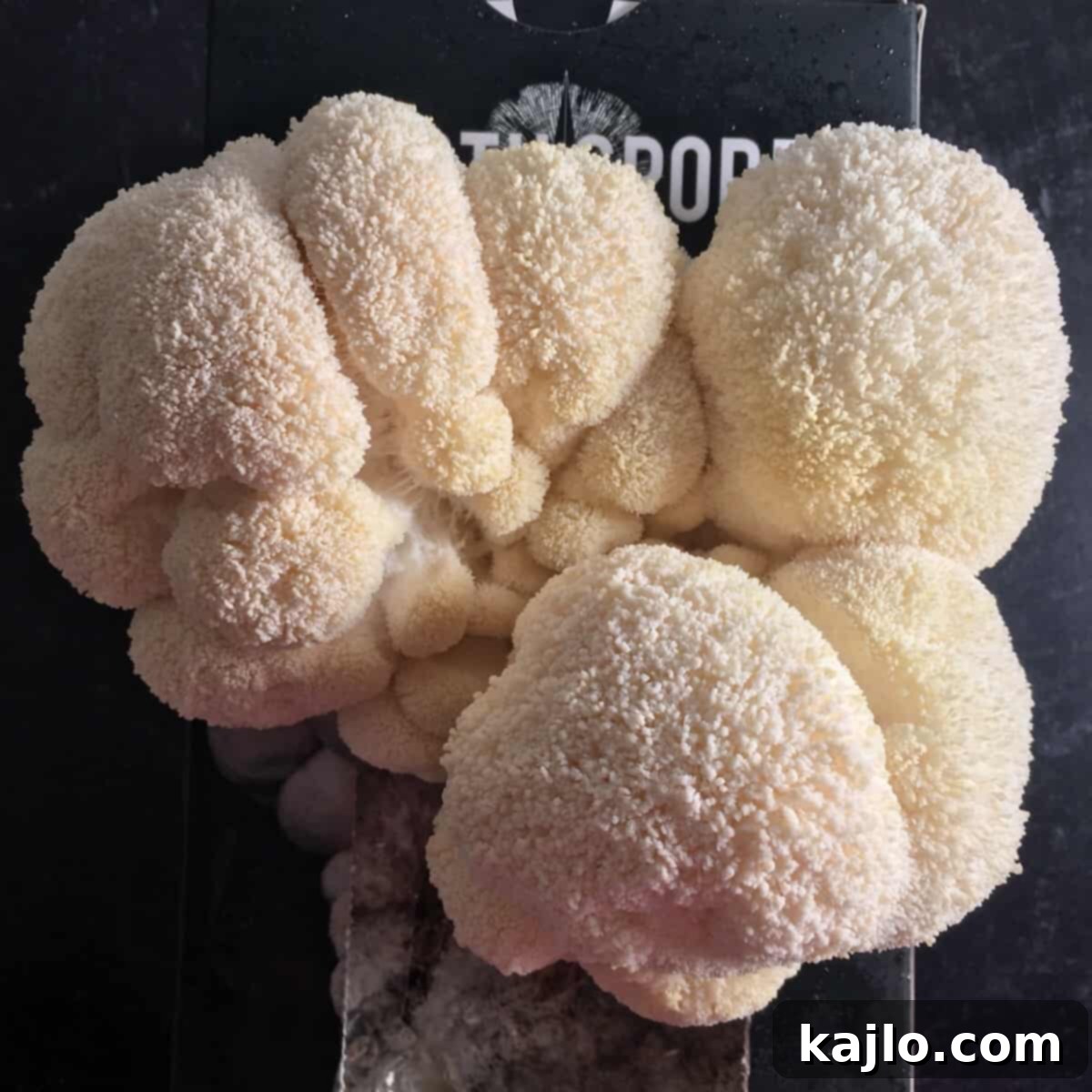
Unlock the secrets to successfully cultivating and harvesting one of nature’s most unique fungi: Lion’s Mane Mushrooms (Hericium erinaceus), also affectionately known as bearded tooth fungus. This comprehensive guide will walk you through every step, from identifying the perfect time for harvesting Lion’s Mane—typically when its distinct furry “teeth” extend to about ¼-inch (0.6 cm)—to using a Lion’s Mane grow kit, understanding its growth stages, and even delving into how to prepare and enjoy this remarkable mushroom. Prepare to discover detailed insights, visual cues to help you know when Lion’s Mane is ready to harvest, practical cooking tips, storage advice, and much more, ensuring a successful and rewarding home cultivation experience.
The Optimal Time to Harvest Lion’s Mane Mushrooms
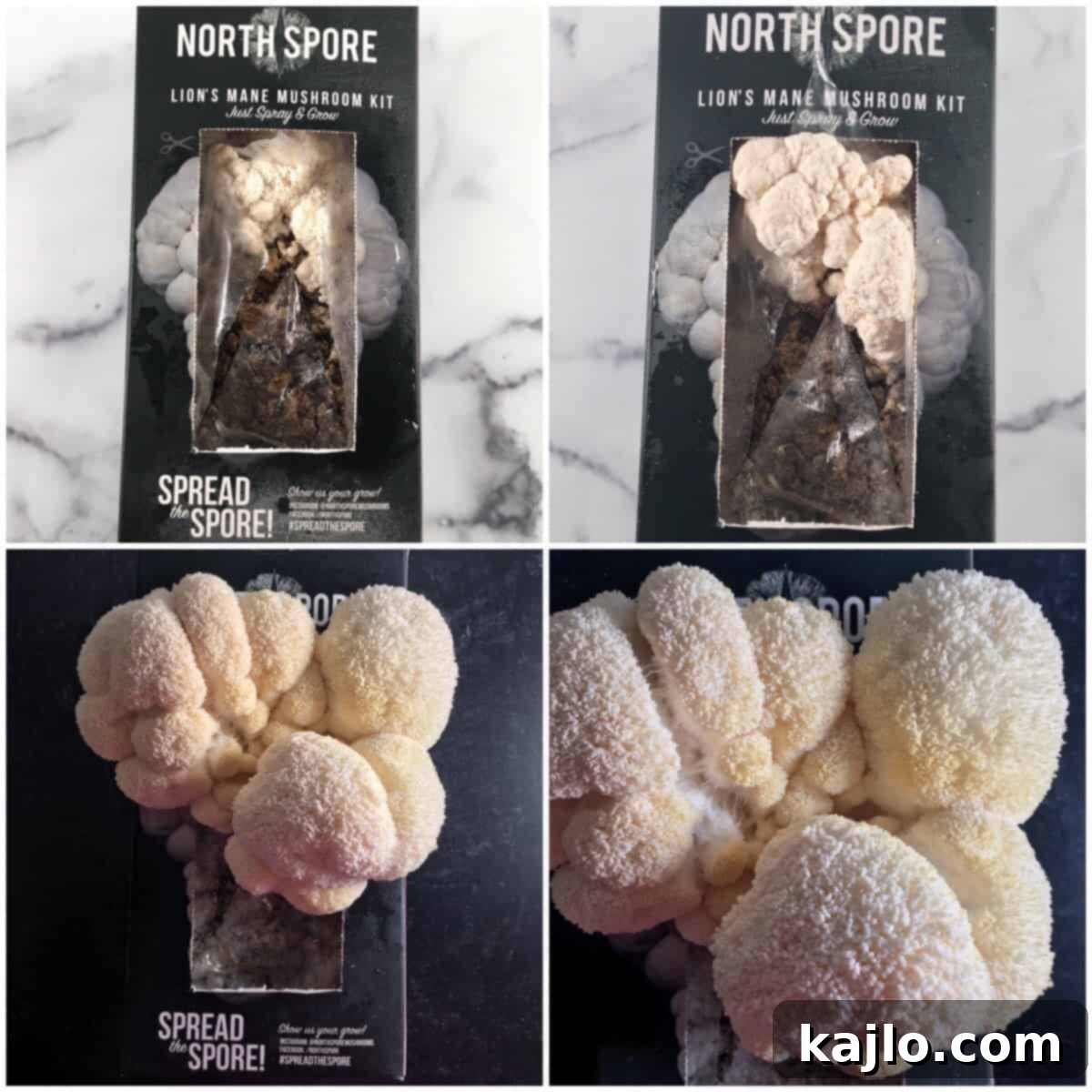
One of the most frequently asked questions among new cultivators is, “When should I pick my Lion’s Mane?” The timing of your harvest is crucial for ensuring the best flavor, texture, and overall quality of your mushrooms. From personal experience, a first flush of Lion’s Mane can be ready for picking in as little as 19 days from the start of the growing process. While this might be a slightly longer wait compared to some faster-growing varieties like oyster mushrooms, the impressive results are well worth the anticipation.
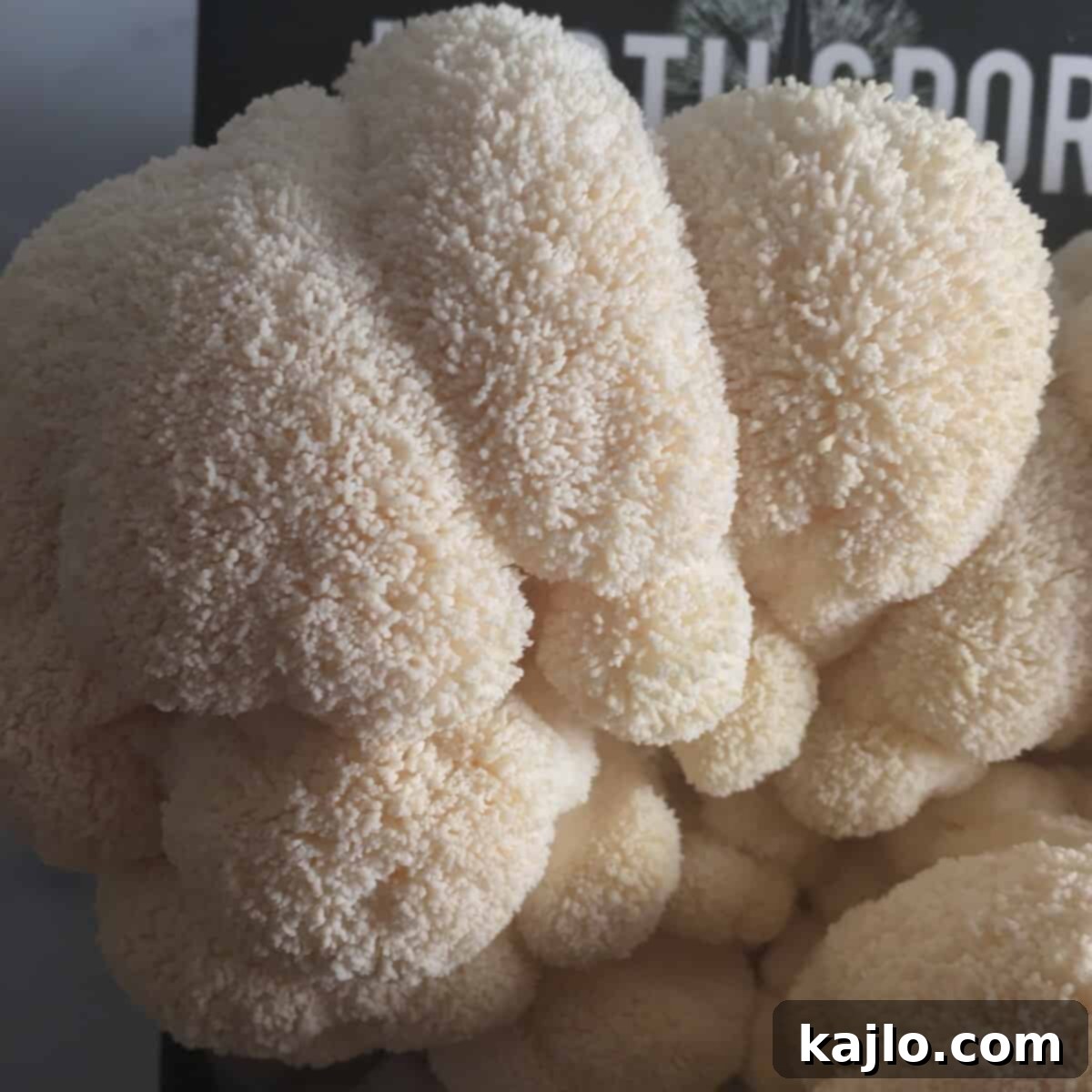
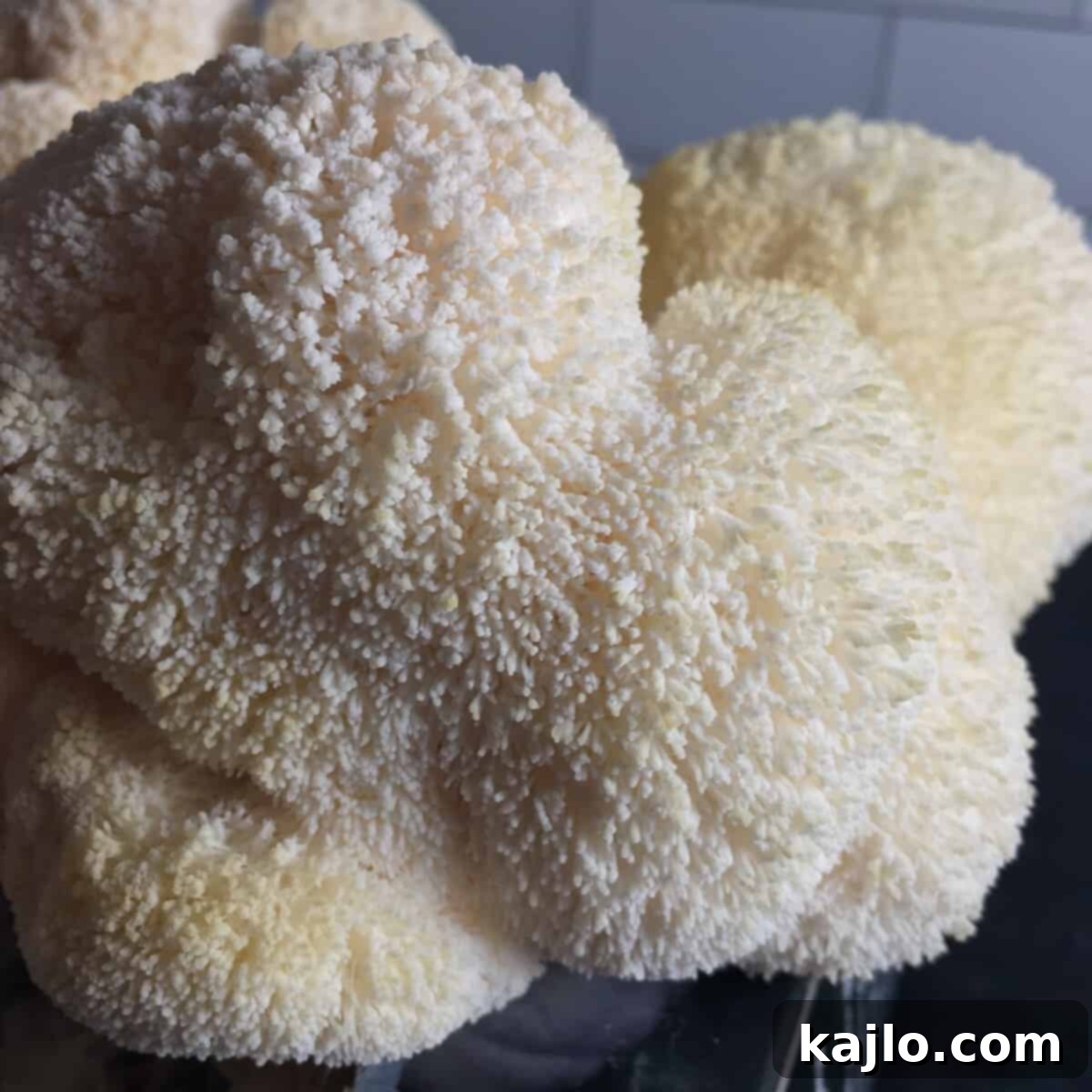
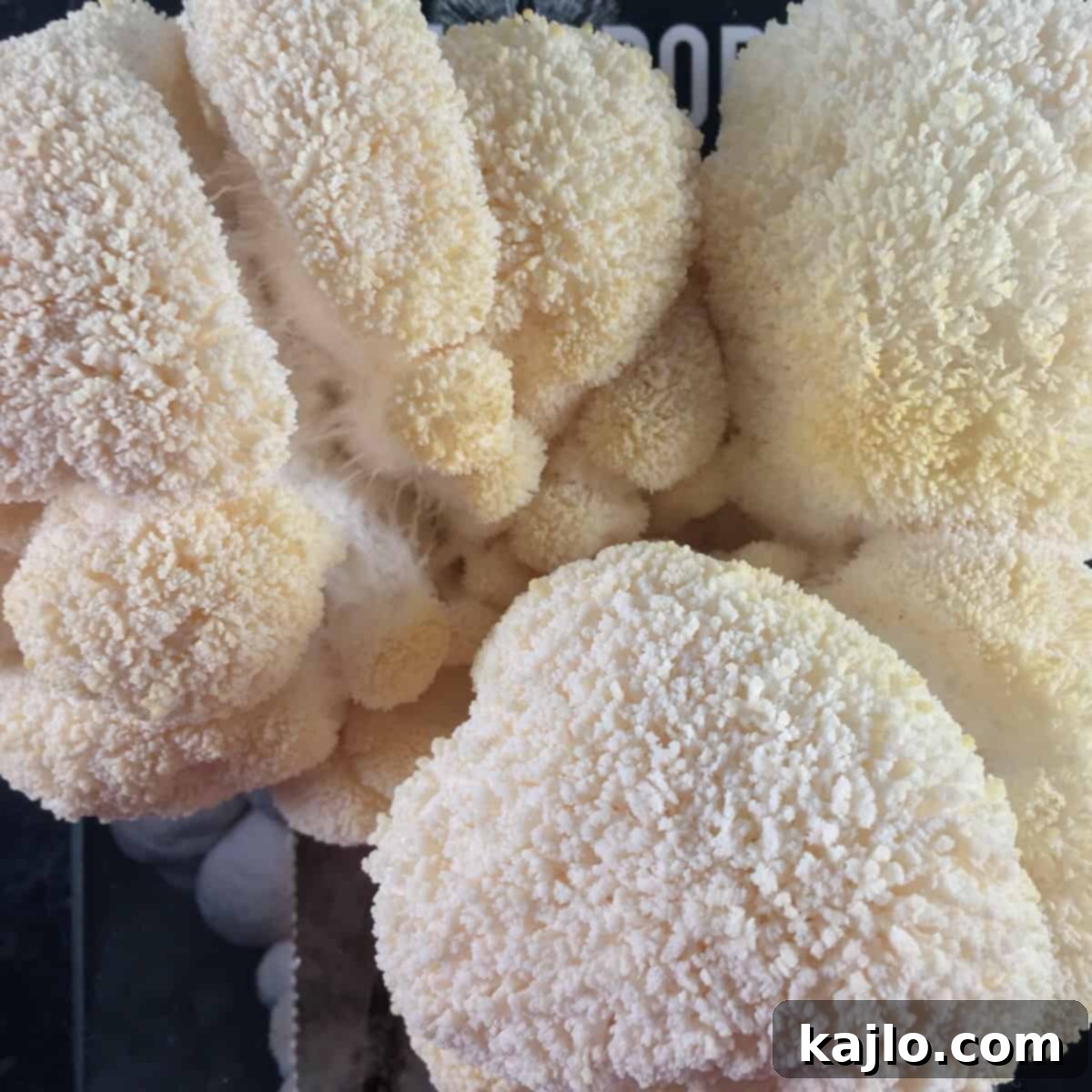
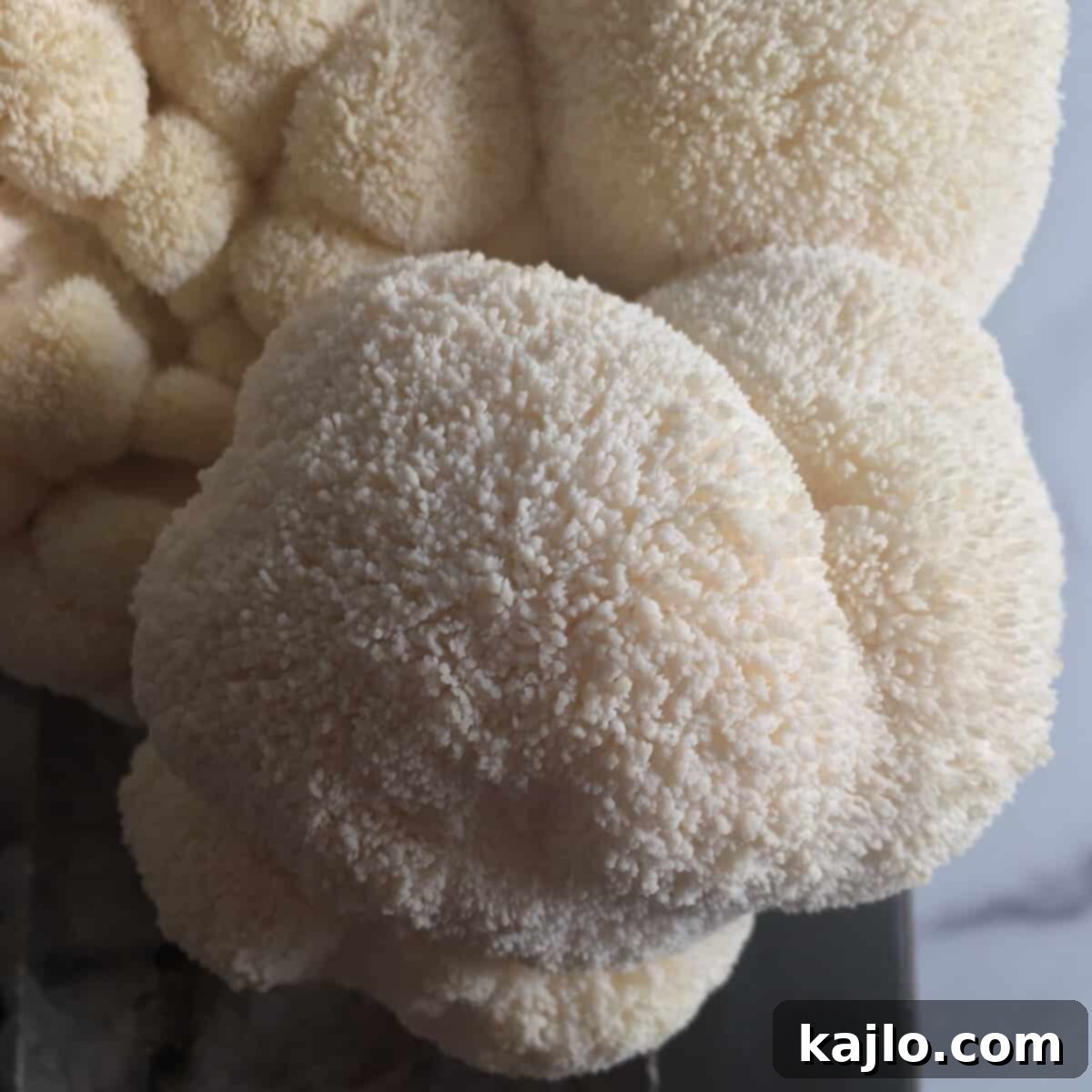
When Lion’s Mane mushrooms are perfectly ripe for harvest, they exhibit several key characteristics. They should feel somewhat spongy to the touch, indicating a healthy, hydrated fruiting body. The most distinctive feature, however, is their signature white, hair-like spines—often referred to as “teeth”—which should have grown to approximately ¼-inch (0.6 cm) in length. This furry appearance is a definitive sign that your mushrooms have reached their peak maturity and are ready to be gathered.
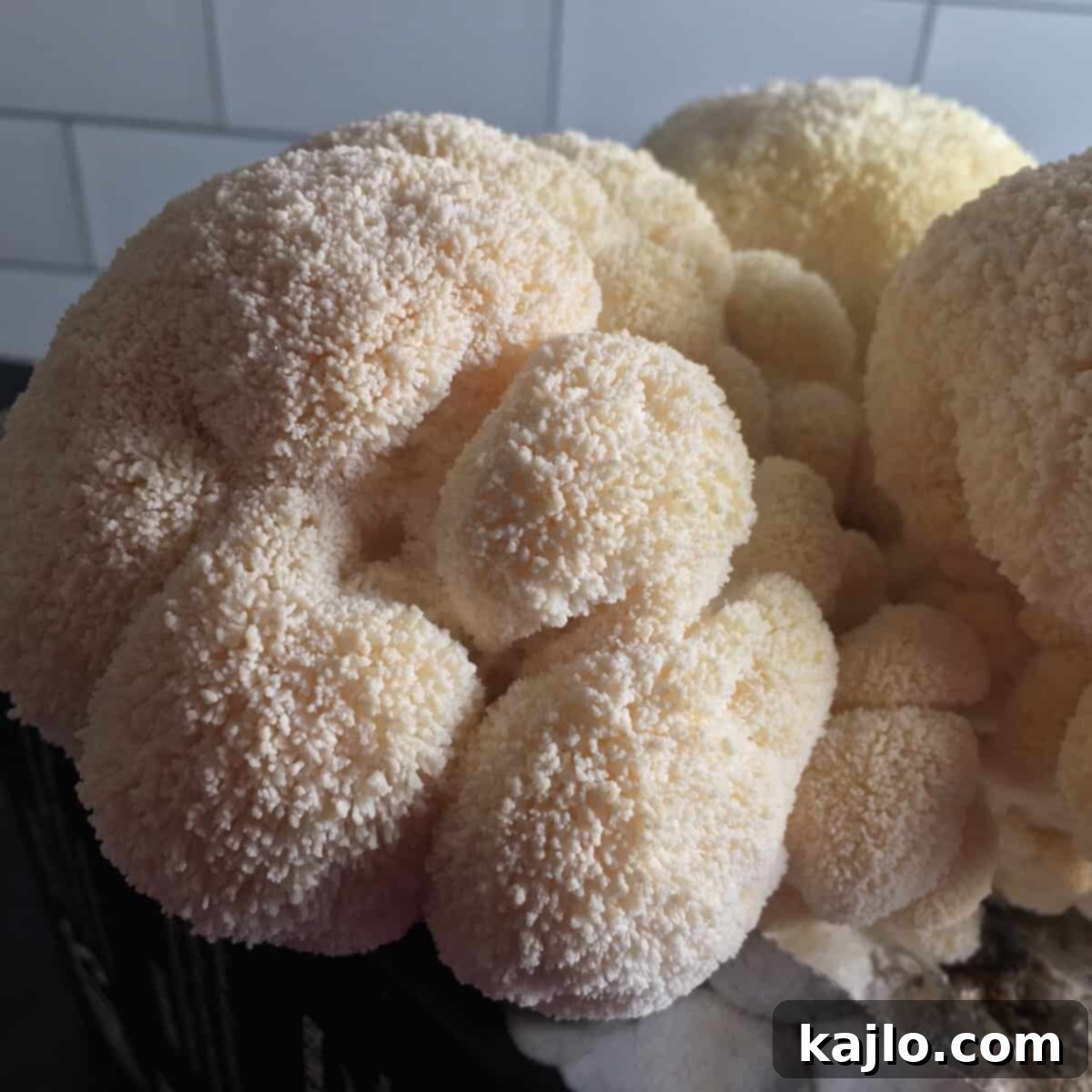
The development timeline for Lion’s Mane can vary. While I observed initial mushroom development within four days, your first flush might take more or less time. This variability is largely dependent on the specific growing environment within your home, including ambient temperature and humidity levels, as well as the particular characteristics of your grow kit. Consistent monitoring is key to understanding your kit’s unique pace.
As evident from various Lion’s Mane mushroom pictures, this fungus boasts an undeniably unusual and captivating appearance. Its dense, shaggy, and often cascading form has earned it a fascinating array of nicknames, each reflecting its distinctive look:
- Monkey Head Mushroom
- Bear’s Head Mushroom
- Satyr’s Beard
- Bearded Hedgehog Mushroom
- Pom Pom Mushroom
- Bearded Tooth Mushroom
- Bearded Tooth Fungus
Deciphering Lion’s Mane Growth Signals
Understanding the visual cues your Lion’s Mane provides is essential for successful cultivation. Sometimes, a deviation from the expected growth pattern can indicate environmental issues or simply a stage of development.
What Causes Lion’s Mane with No Teeth?
If your Lion’s Mane mushrooms appear to be growing “without teeth,” it’s often an indicator of suboptimal growing conditions. Successful mushroom cultivation, especially for a variety as sensitive as Lion’s Mane, demands precise control over temperature, consistent humidity levels, and adequate fresh air exchange. These environmental factors are critical for the development of its characteristic spines.
It’s also important to remember that very young Lion’s Mane mushrooms may not have fully developed their teeth yet. In their initial stages, they can sometimes resemble small, rounded cauliflower-like structures. With patience and the right growing environment, these nascent forms will gradually transform, developing their distinctive fuzzy or hairy appearance. This transformation is your reliable signal that they are maturing and nearing the optimal time for harvest.
Why Are the Lion’s Mane Turning Yellow?
The appearance of yellowing on your Lion’s Mane mushrooms can be a multi-faceted signal. In many cases, it indicates that the mushrooms are beginning to get old and are past their prime. If you notice yellowing, it can be a clear sign that it’s time to harvest them immediately to preserve their quality before they deteriorate further.
Beyond natural aging, yellowing can also be a symptom that the growing environment, particularly the humidity, was not ideal for optimal fruiting. Insufficient humidity can lead to the mushrooms drying out and exhibiting a yellowish tint. Regularly monitoring and adjusting humidity levels can help prevent premature yellowing and ensure healthier, whiter flushes.
Cultivating Lion’s Mane with a Grow Kit: A Step-by-Step Guide
The process of Lion’s Mane cultivation, especially when using a dedicated grow kit, is surprisingly straightforward and incredibly rewarding. A significant advantage of using a Lion’s Mane grow kit is the elimination of any risk associated with foraging, such as accidentally picking a poisonous lookalike mushroom. Kits provide a safe and controlled environment for beginners and experienced growers alike.
Most quality Lion’s Mane mushroom kits, such as those from North Spore, typically arrive with everything you need to begin your journey into mycology, excluding only water. Your kit usually includes a fully colonized sawdust block, which serves as the substrate infused with mushroom mycelium, a convenient spray bottle, and a comprehensive set of instructions tailored for your specific kit.
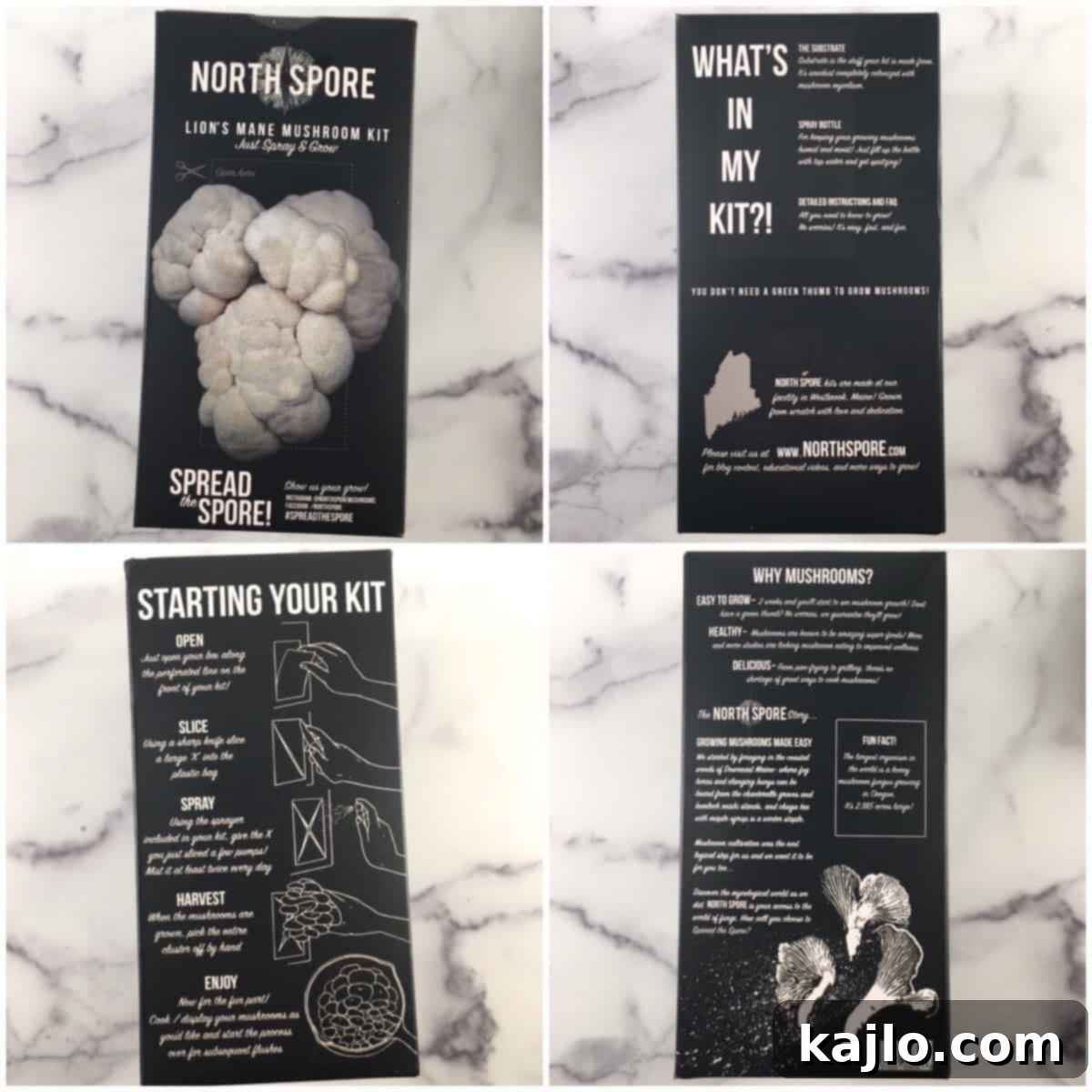
To initiate the growing process, begin by carefully removing the instruction guide and the spray bottle from the kit box. Locate the perforated rectangle on the side of the box and gently remove it. Beneath this opening, you will find the plastic wrapping around the sawdust block. Using a clean box cutter or a sharp knife, make a large “X” incision into this plastic film. This opening will serve as the primary site for your mushrooms to fruit.

Fill the provided small spray bottle with fresh water and begin misting the “X” incision in the plastic. The key to successful Lion’s Mane cultivation is consistent moisture. Continue to mist the exposed mycelium with water at least twice per day, or more frequently if your environment is particularly dry, until your mushrooms are ready for harvest. This simple yet vital step is essentially all that’s required to initiate and sustain growth!
Lion’s Mane mushrooms thrive in high humidity. For optimal results, most kit manufacturers, including North Spore, strongly recommend generously watering your Lion’s Mane mushrooms to prevent them from drying out. Positioning your kit in a naturally moist area of your home, such as a basement or cellar, can significantly aid in maintaining the necessary humidity levels. I personally misted my Lion’s Mane mushroom substrate every morning and night. For those residing in arid climates, increasing the misting frequency or creating a dedicated humidity tent may be necessary. Instructions for constructing such a tent are detailed in the section below.
Choosing the Right Substrate for Lion’s Mane Mushrooms
When using a pre-packaged North Spore Spray and Grow Lion’s Mane mushroom growing kit, you generally won’t need to concern yourself with sourcing wood, as the kit comes with a fully colonized sawdust block. However, if you venture into more advanced cultivation methods, such as inoculating logs with mushroom spawn plugs or using hardwood sawdust spawn, the choice of wood becomes paramount.
For cultivating Lion’s Mane mushrooms on logs or other bulk substrates, North Spore specifically recommends using hardwoods such as hard maple, beech, or hornbeam. These wood types offer the ideal nutritional composition and density that Lion’s Mane mycelium prefers. While other varieties of hardwood trees can also be utilized for inoculation, these three are generally considered the best choices for maximizing yield and health. Crucially, it is advised to avoid using conifers (softwoods) for growing Lion’s Mane, as they lack the necessary nutrients and can even contain compounds detrimental to mushroom growth.
Mastering Humidity with a Mushroom Grow Tent
As previously emphasized, Lion’s Mane mushrooms have a profound love for moisture! If your Lion’s Mane mushroom growing conditions are too dry, your precious mushrooms can quickly become stressed, leading to stunted growth, yellowing, or even complete failure of the fruiting body. Maintaining consistent high humidity is not just a recommendation; it’s a necessity for robust growth.
Fortunately, creating a simple yet effective humidity tent using a common plastic bag is an incredibly easy solution. To construct one, take a clean plastic bag—large enough to comfortably cover your mushroom kit—and cut approximately ½-inch (2.54 cm) holes uniformly across its surface. These holes are vital for allowing fresh air exchange while still trapping moisture. Once prepared, simply drape this perforated bag over your mushroom kit, ensuring it creates an enclosed, humid microclimate around your growing block.
With your humidity tent in place, frequently mist the inside of the bag with water. This regular misting will keep the air saturated, replicating the humid forest floor conditions that Lion’s Mane naturally thrives in. Remember, your Lion’s Mane mushrooms need a trifecta of ideal conditions to grow their best: consistent fresh air, indirect light, and, most importantly, ample moisture. You may find that once baby mushrooms (primordia) have visibly formed, you can potentially remove the humidity tent, as the mushrooms themselves will contribute to local humidity. However, continue diligently watering the mushrooms directly to ensure they don’t dry out during this critical growth phase.
The Art of Harvesting Lion’s Mane
The moment of truth arrives when your Lion’s Mane mushrooms display all the tell-tale signs of maturity. To harvest Lion’s Mane mushrooms, employ a sharp, clean knife to carefully cut them free from the substrate. Aim to sever the mushroom close to the block, leaving minimal mycelial residue on the fruiting body. This precise cut helps encourage future growth from the same area.
A remarkable aspect of cultivating Lion’s Mane from a quality grow kit is the potential for multiple flushes. After harvesting your first crop, don’t discard the block! If you continue to mist the exposed substrate a couple of times per day, providing the same consistent care, you stand a good chance of yielding a second flush of mushrooms. My own experience saw a second crop of Lion’s Mane mushrooms appearing approximately 18 days after the initial round. While the second flush might be slightly smaller in quantity compared to the first, the consistent ability of quality kits, like those from North Spore, to produce multiple mushroom crops is truly impressive, as many mushroom kits often provide only a single harvest.
Storing Your Freshly Harvested Lion’s Mane Mushrooms
To enjoy Lion’s Mane mushrooms at their peak freshness and flavor, it is always recommended to harvest them when you are ready to cook and consume them. This ensures you experience the best possible texture and taste. However, if you need to pick your Lion’s Mane mushrooms a little ahead of time, proper storage is essential to maintain their quality.
The best method for storing harvested Lion’s Mane mushrooms is to place them in a small, breathable paper bag. This allows for some air circulation while preventing them from drying out too quickly or becoming overly moist, which can lead to spoilage. Store the paper bag in the main compartment of your refrigerator. Under these conditions, your Lion’s Mane mushrooms should remain fresh for at least 2-3 days, and often even longer, preserving their delicate texture and unique flavor until you’re ready to incorporate them into your culinary creations.
Culinary Delights: Cooking and Enjoying Lion’s Mane Mushrooms
Lion’s Mane mushrooms are a culinary marvel, highly prized for their distinctive flavor and texture. Many describe its taste as remarkably similar to crab or lobster, complemented by a soft, yet satisfyingly chewy consistency. This unique profile makes it an excellent choice as a vegetarian or vegan seafood substitute, often featured in creative dishes like plant-based “crab cakes.” (It’s worth noting, however, that while it mimics seafood texture, it does not provide the same protein content as real seafood.)
If you’re seeking ideas for cooking Lion’s Mane mushrooms, simplicity often yields the most delicious results. A basic recipe can be as straightforward as sautéing slices or chunks in high-quality olive oil or butter, seasoned with fresh herbs and a touch of minced garlic. Another popular preparation method that truly lets its “crab cake” flavor shine is to sauté it in butter with a generous sprinkle of Old Bay seasoning. This combination enhances its natural umami and seafood-like notes beautifully.
Beyond these simple preparations, Lion’s Mane is incredibly versatile and can elevate a variety of dishes. Consider incorporating it into:
- Gourmet Pasta Dishes: Substitute some or all of the mushrooms in recipes like a rich tagliatelle ai funghi for an elevated culinary experience.
- Hearty Sauces: Add chopped Lion’s Mane to a vegan Tempeh Bolognese Sauce for added texture and depth of flavor.
- Savory Snacks: Transform it into a unique jerky, similar to how Oyster Mushroom Jerky is prepared, for a chewy, umami-packed treat.
You can also creatively integrate Lion’s Mane into comforting soups, pan-fry it for crispy “nuggets,” or even brew it into a healthful tea. If this is your first time consuming Lion’s Mane mushrooms, it’s always wise to start with a small amount. This allows you to observe how your body reacts to this new food and ensure it agrees with your digestive system.
Can You Eat Lion’s Mane Raw?
While some mushrooms can be consumed raw, it is generally recommended to cook home-grown Lion’s Mane mushrooms thoroughly before eating them. Cooking helps to break down chitin, making the nutrients more bioavailable and improving digestibility. Always ensure your Lion’s Mane is properly cooked to avoid any potential digestive discomfort and to fully enjoy its unique texture and flavor. (Source: North Spore)
Beyond the Plate: Health Benefits of Lion’s Mane Mushrooms
Beyond its culinary appeal, Lion’s Mane mushrooms have garnered significant attention for their potential health benefits. While supplements have been studied for their therapeutic potential in addressing serious conditions such as depression and Alzheimer’s, it’s important to approach such claims with caution. This mushroom is not a cure for dementia or Alzheimer’s, and comprehensive studies on the long-term safety and efficacy of supplements are still evolving. Nevertheless, when consumed as part of a balanced diet, Lion’s Mane mushrooms offer a wealth of general nutritional benefits that contribute to overall well-being.
What are the health benefits of Lion’s Mane mushrooms? Firstly, mushrooms, including Lion’s Mane, are incredibly versatile and fit seamlessly into a wide array of specialized diets, including keto, vegan, low-carb, gluten-free, Paleo, and dairy-free regimens. Here are some additional nutritional advantages that make Lion’s Mane a powerhouse addition to your diet:
- Boosts Vegetable Intake: Despite being fungi, mushrooms are recognized as part of the vegetable group on dietary guidelines like MyPlate. This means incorporating Lion’s Mane into your meals directly contributes to your daily recommended vegetable intake, offering a unique and flavorful way to diversify your diet.
- Rich in B Vitamins and Minerals: Like lean meats and whole grains, mushrooms provide an array of B-complex vitamins essential for energy metabolism and nervous system health. They are also a good source of vital minerals such as potassium, which plays a crucial role in maintaining healthy blood pressure and overall heart function.
- Very Low Calorie Density: For individuals focused on weight management or looking to reduce calorie intake, mushrooms, including Lion’s Mane, are an excellent choice. They offer significant volume and a satisfying texture for very few calories. This makes them ideal for bulking up low-calorie meals, helping you feel fuller and more satisfied without adding excess energy.
- Delicious and Versatile: Beyond their nutritional profile, mushrooms possess a unique umami flavor that makes them a delicious comfort food. Their versatility is unmatched; Lion’s Mane can be seamlessly integrated into countless dishes, from savory stir-fries and roasted sides to creative plant-based main courses, making healthy eating both enjoyable and easy.
Cultivating and enjoying Lion’s Mane mushrooms at home is a truly rewarding experience, offering both culinary delight and a host of nutritional benefits. With this guide, you now have the knowledge to successfully grow, harvest, and incorporate this incredible fungus into your healthy lifestyle.