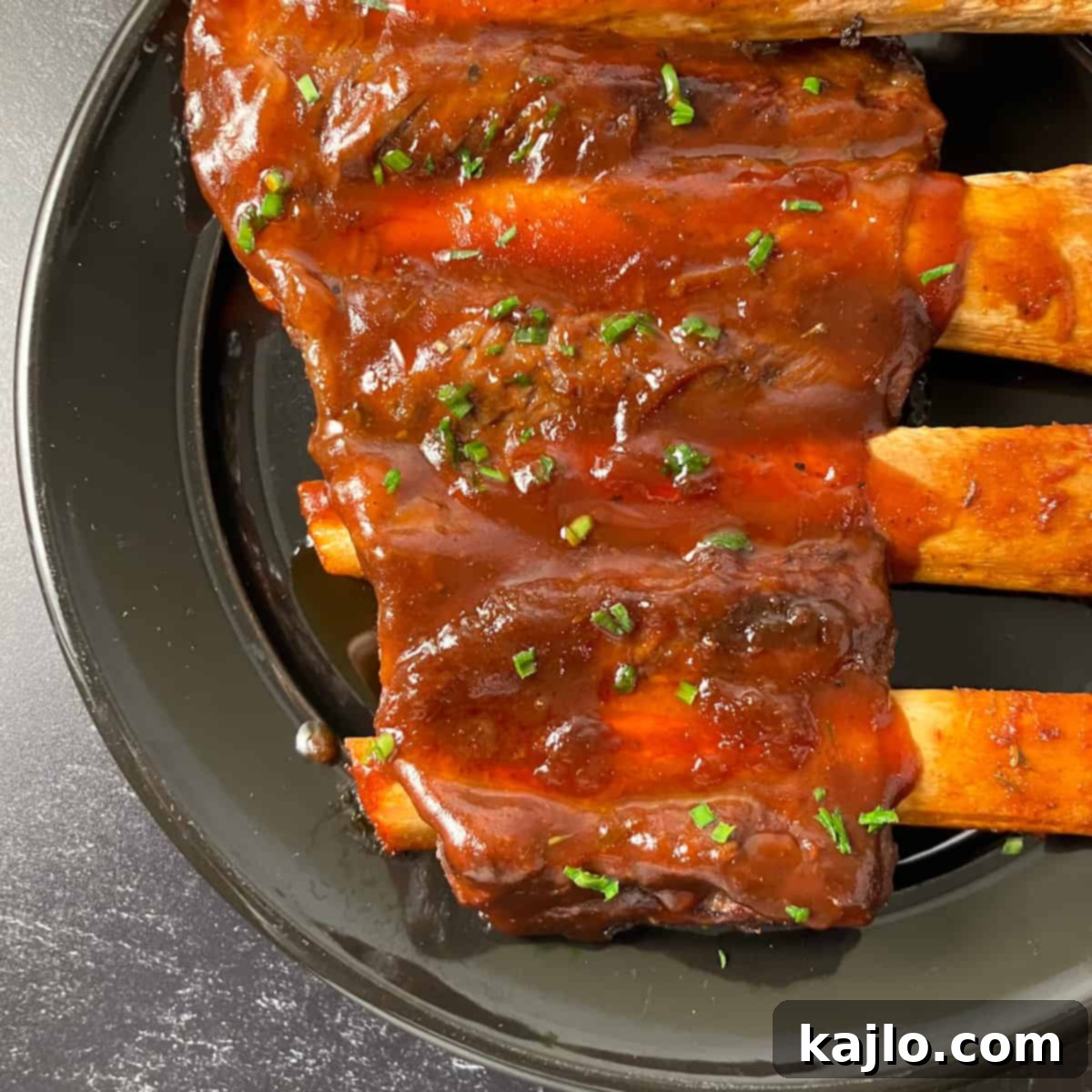
Unlock the secret to incredibly tender, fall-off-the-bone riblets with this ultimate guide! Whether you’re craving savory beef chuck riblets or delightful pork riblets, this easy-to-follow recipe will teach you the best way to prepare them right in your oven. Get ready for delicious BBQ riblets that require minimal effort and just a few essential ingredients. Plus, these oven-baked delights are naturally low-carb, keto-friendly, and gluten-free (just be sure to choose an appropriate barbecue sauce!).
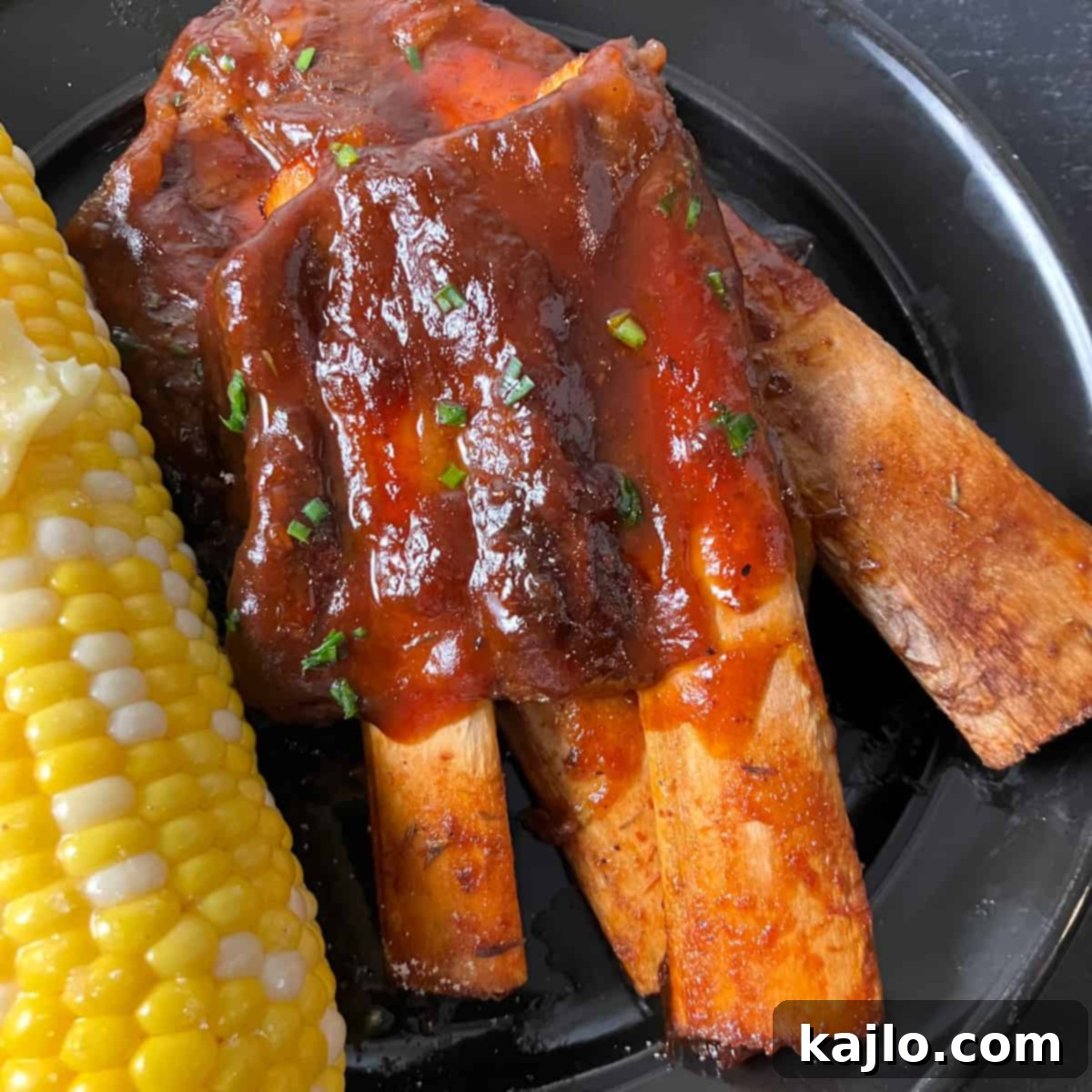
If you’ve ever wondered how long riblets take to cook or how to achieve that perfect tenderness without a smoker, you’ve landed in the right place. I recently stumbled upon a fantastic deal on beef riblets at Walmart, and it sparked the inspiration for sharing this mouth-watering barbecue beef riblets recipe with all of you.
And for those who prefer pork? Absolutely! This versatile cooking method works beautifully for barbecue pork riblets too. Simply follow the same steps for your bone-in pork riblets, and prepare to be amazed.
Before we dive into the delicious details, let’s cover some foundational knowledge about riblets. If you’re eager to jump straight to the cooking instructions, feel free to use the “jump to recipe” button below!
🥩 What Exactly Are Riblets?
Where do riblets come from? The term “riblets” refers to smaller sections expertly cut from a larger rack of ribs, making them convenient, bite-sized portions perfect for grilling or baking. You can typically find a variety of riblets, including succulent pork loin riblets, rich beef riblets, or even flavorful lamb riblets, each offering a unique culinary experience. These smaller cuts are popular for their tender meat and often come with a perfect meat-to-bone ratio that makes them incredibly satisfying.
Beef Ribs vs. Beef Riblets: Understanding the Difference
While often confused, beef riblets are simply smaller, more manageable pieces derived from a full rack of beef ribs. Imagine taking a larger, often tougher, cut of ribs and sectioning it into more individual portions. This process creates riblets, which are ideal for single servings or appetizers. You might also encounter “rib tips” in the butcher shop; these are boneless, meaty sections of spare ribs that contain cartilage, offering a different texture and flavor profile.
The distinction primarily lies in size and the specific part of the rib cage they originate from. Full beef ribs, such as beef back ribs or short ribs, are larger, meatier cuts that often require longer cooking times to break down connective tissue. Riblets, being smaller, can be prepared more quickly while still achieving desirable tenderness.
Are Riblets the Same as Baby Back Ribs? Unpacking Pork Cuts
No, riblets are not the same as baby back ribs, though they share a common origin. Pork riblets are typically produced by taking a full rack of baby back ribs and cutting it lengthwise through the bone, effectively creating two shorter, narrower sections. This means a riblet is roughly half the length of a standard baby back rib. Baby back ribs themselves are derived from the area along the pig’s backbone, between the spine and the spareribs, known for their lean, tender meat.
Understanding these distinctions helps when choosing the right cut for your recipe and ensures you achieve the desired results in terms of texture and cooking time.
Riblets vs. Short Ribs: A Closer Look at Beef Cuts
While my purchased beef chuck riblets might share a similar origin point as short ribs, they are distinctly different. Short ribs are renowned for their generous amount of tender, marbled meat and often come with a thicker layer of fat. They are typically cut from the chuck, plate, or brisket sections of the cow and are known for their rich, beefy flavor, making them a favorite for slow braising. Riblets, on the other hand, usually have less meat and fat on them compared to short ribs. They are essentially a leaner, smaller iteration, often trimmed down for quicker cooking or a different culinary application. This difference in meat and fat content means they behave differently during cooking and may require slightly different approaches to achieve optimal tenderness.
⭐ Essential Riblets Ingredients
This recipe for irresistible riblets keeps things wonderfully simple with just a few key components. Here’s your straightforward shopping list to get started:
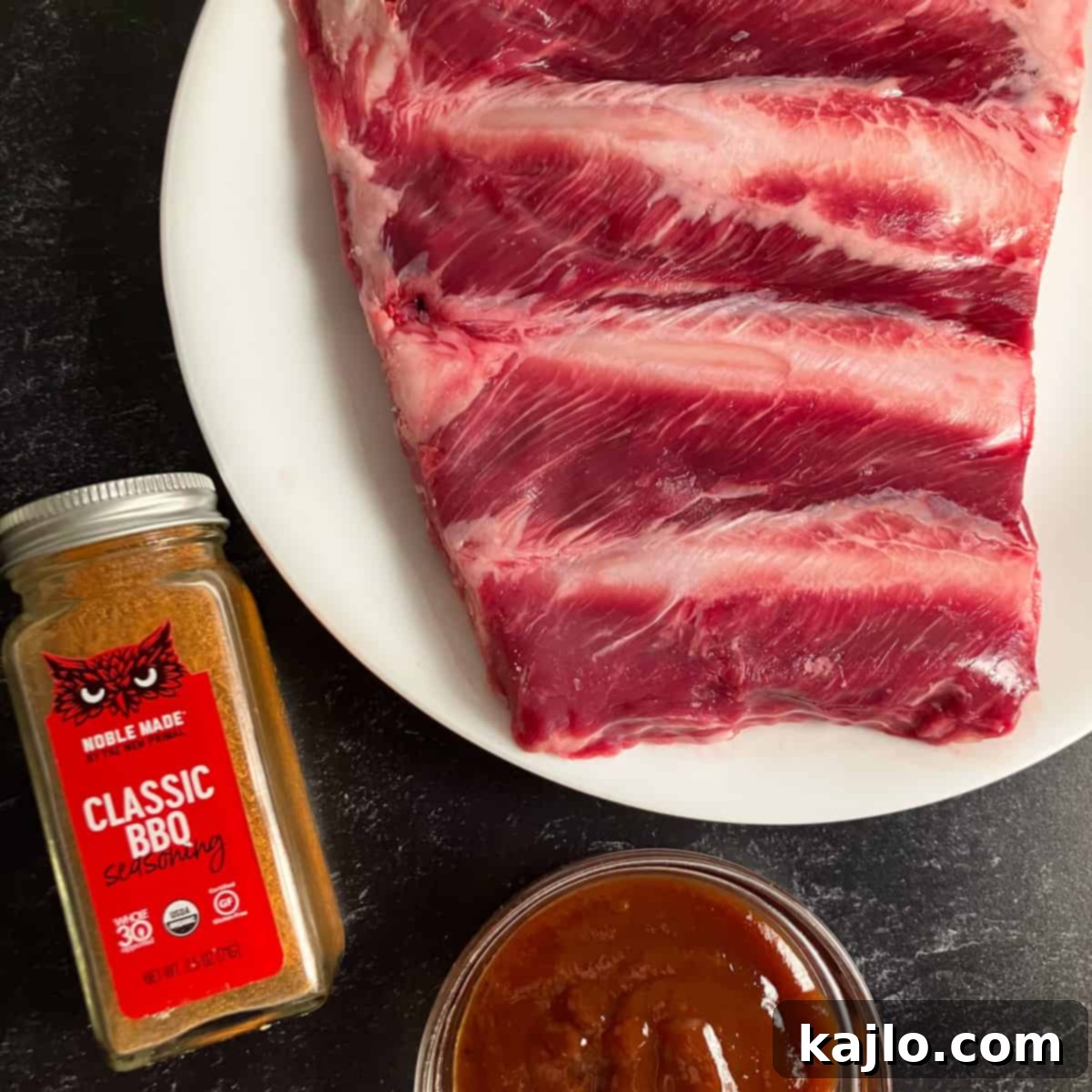
- One pound of riblets: (Approximately 454 grams) – You can opt for beef chuck riblets or pork riblets based on your preference.
- Your favorite BBQ sauce: About ½ cup, though adjust based on sauce thickness and desired coverage.
- Quality BBQ seasoning blend: For that perfect smoky, savory flavor.
- Cooking oil spray: To prevent sticking and ensure even cooking.
The beauty of this recipe lies in its adaptability. You can easily customize it by choosing your preferred type of riblet and your favorite barbecue sauce, making it a staple for any BBQ enthusiast.
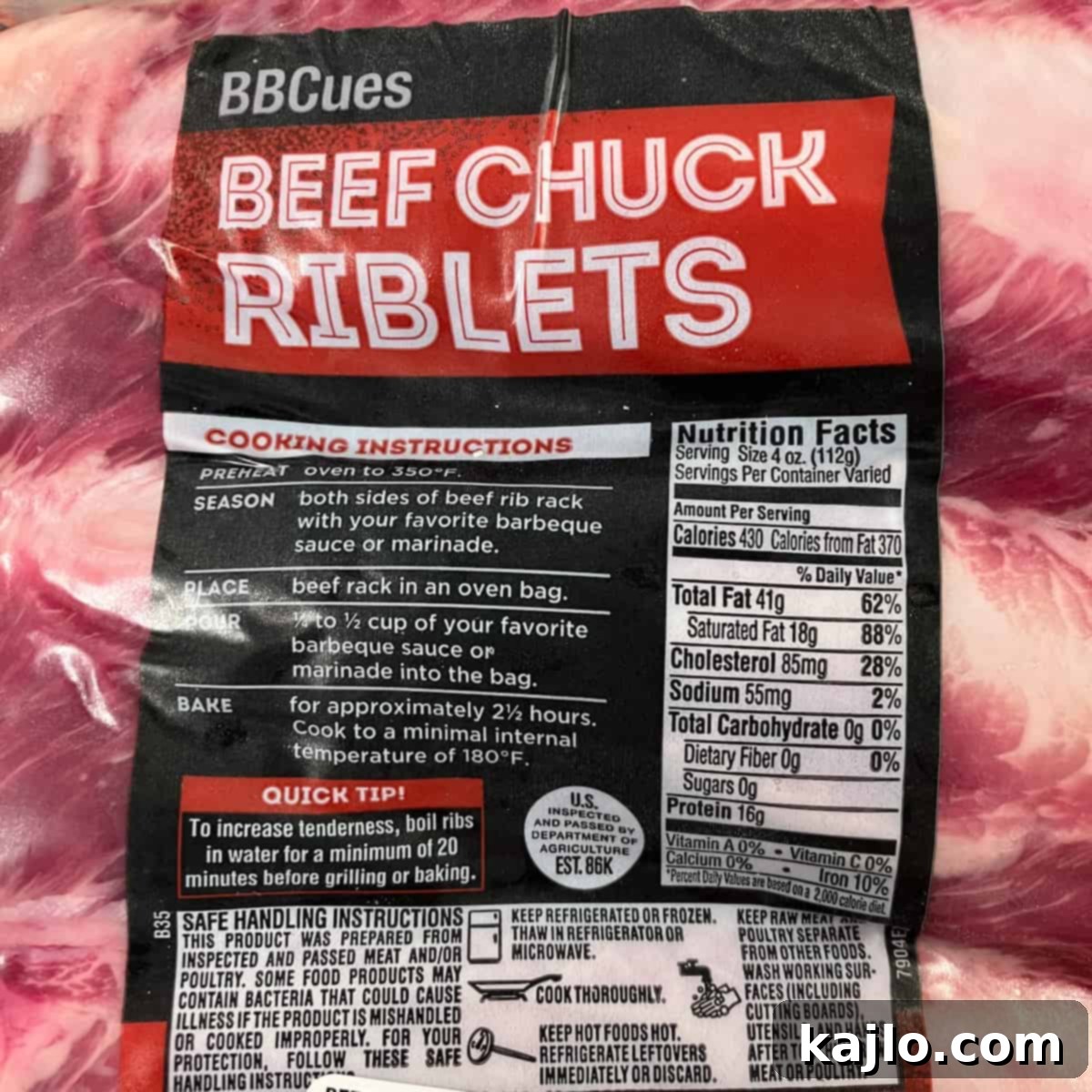
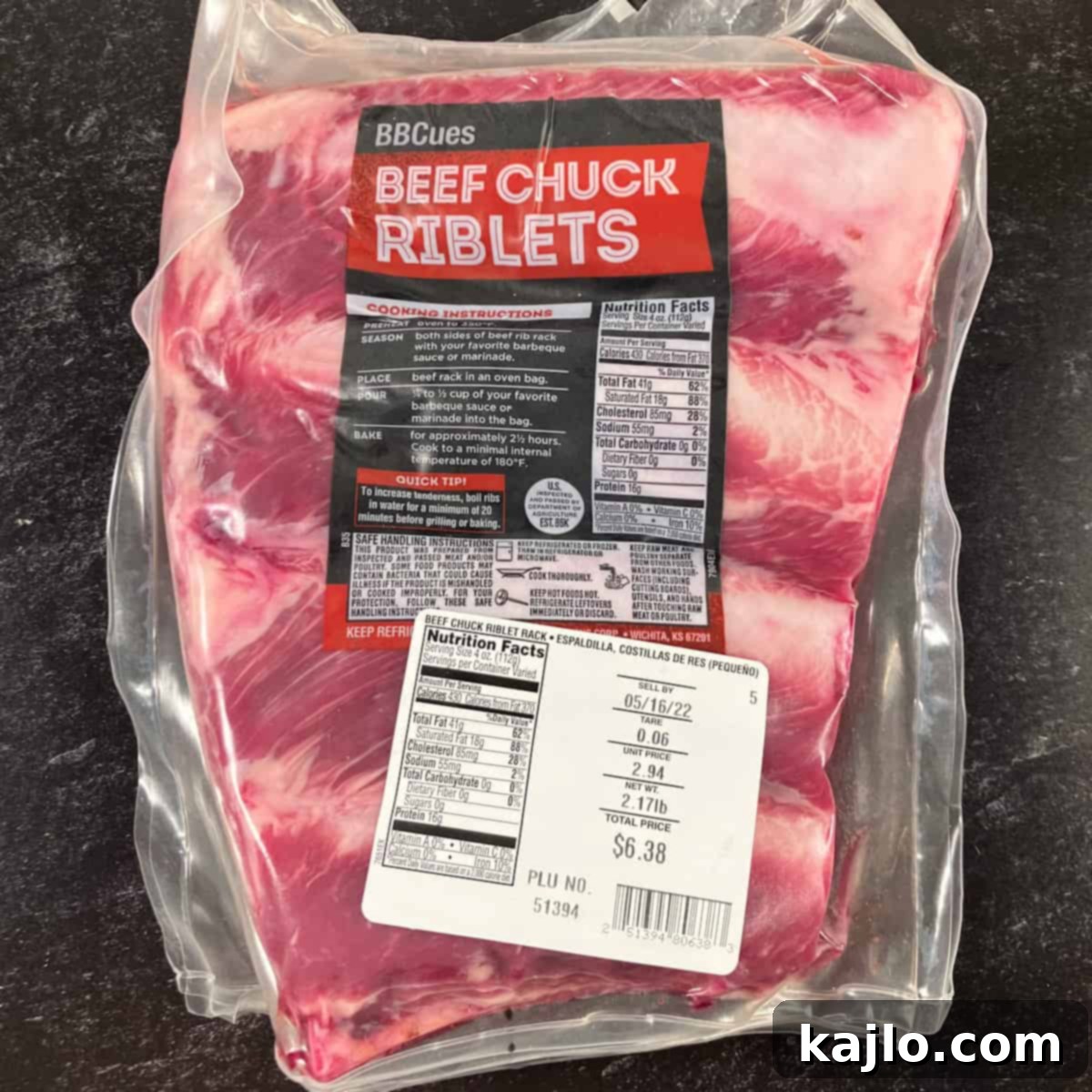
For this particular recipe, I used BBCues Beef Chuck Riblets, which I found readily available in the fresh meat section of Super Walmart. However, many other brands offer excellent riblets, such as Hormel pork riblets, which are a popular choice for those who prefer pork.
When it comes to barbecue sauce, the sky’s the limit! Feel free to use your go-to brand, whether it’s a sweet, tangy, or spicy variety. For those with dietary considerations, sugar-free or gluten-free barbecue sauces work just as well. I typically use about ½ cup of BBQ sauce for a pound of riblets. Keep in mind that some sauces, especially those without brown sugar, can be quite thin. In such cases, you might only need ¼ cup to achieve good, even coverage without over-saturating the meat.
My personal favorite for seasoning these riblets is the Noble Made Classic Barbecue Seasoning. It brings a fantastic depth of flavor and has become a summer BBQ staple in my kitchen. However, any quality BBQ seasoning blend will work wonders.
To ensure a smooth cooking process, you’ll need a few basic pieces of kitchen equipment: aluminum foil, a glass baking dish large enough to comfortably hold your riblets, and an instant-read thermometer to check for perfect doneness. While I prefer a silicone pastry brush for evenly spreading the sauce, the back of a spoon can also do the trick in a pinch. These tools ensure your riblets are cooked perfectly and come out tender and flavorful every time.
🧂 Crafting the Perfect Beef Chuck Riblets Rub
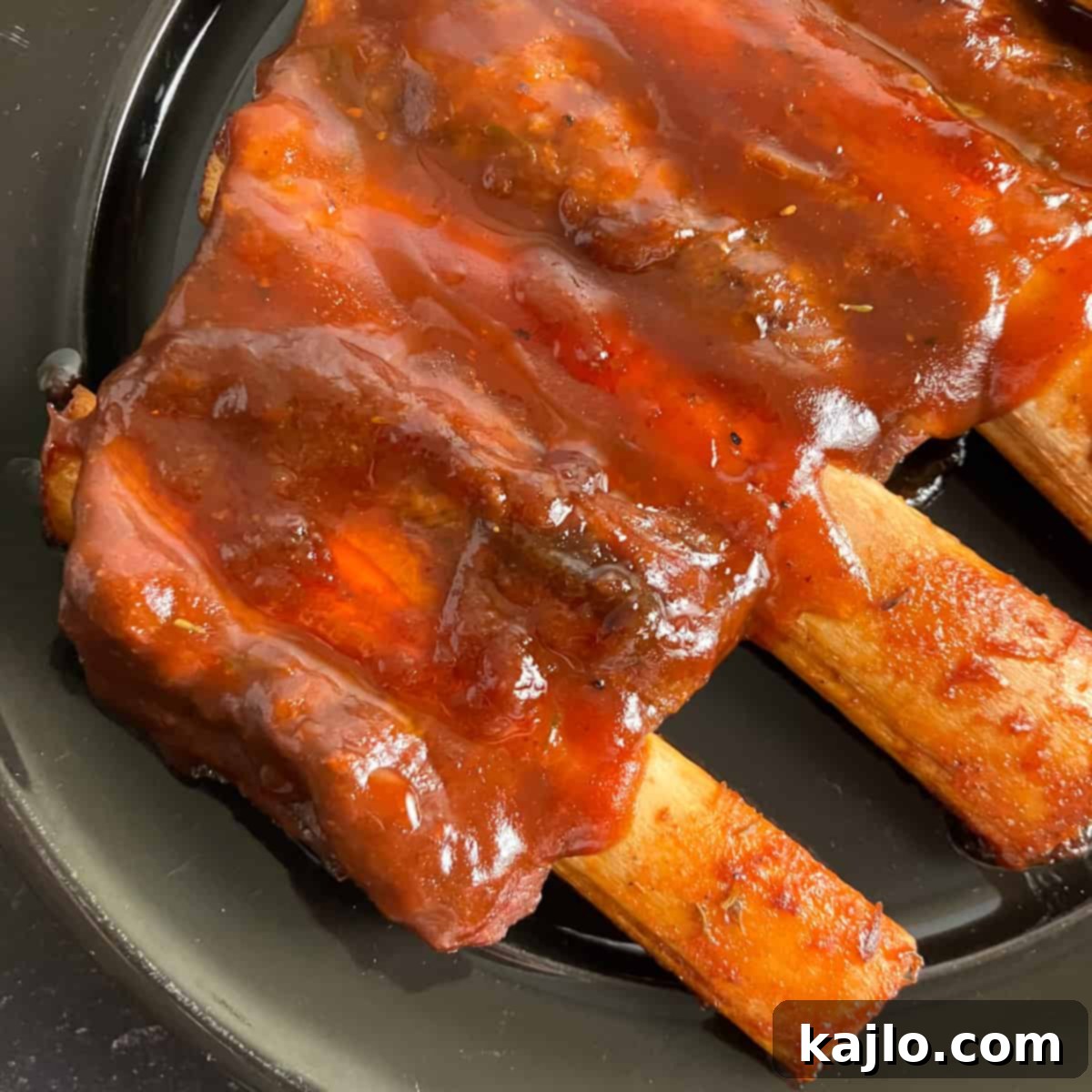
While a high-quality store-bought barbecue seasoning blend is incredibly convenient and what I used for this recipe, don’t hesitate to get creative with a homemade BBQ rub if you prefer! Customizing your seasoning allows you to tailor the flavor profile precisely to your taste. Here are some fantastic ideas for seasoning your riblets:
- Classic BBQ Rub: A blend of paprika, brown sugar, garlic powder, onion powder, chili powder, salt, and pepper.
- Cajun Seasoning: For those who love a bit of a kick and a “blackened” flavor profile.
- Italian Seasoning: A unique twist, bringing savory herbs like oregano, basil, and thyme.
- Garlic Powder: Essential for a robust, aromatic base.
- Onion Powder: Adds a sweet, savory depth.
- Paprika: Provides color and a mild, peppery flavor, especially smoked paprika for extra depth.
- Chili Powder: Delivers warmth and a subtle spicy note.
- Cumin: Earthy and slightly peppery, pairs well with beef.
If you’re aiming for riblets without traditional BBQ sauce, consider adding a black bean sauce or soy sauce after cooking for an intriguing Asian-inspired flair. This opens up a whole new world of flavor possibilities, moving beyond the traditional American barbecue experience.
🔪 The Easiest Way to Cook Beef Chuck Riblets
Now, let’s talk about the star of the show: how to cook seasoned riblets in the oven to achieve unparalleled tenderness. My preferred method involves steaming the riblets directly in foil packets, completely bypassing the need for broiling. This technique, which I’ve found to be both the most effective and the simplest, ensures your riblets are incredibly moist and literally fall off the bone. It’s a foolproof way to transform tough cuts into culinary masterpieces, making it the best way to cook riblets for beginners and seasoned cooks alike.
⏲️ Achieving Perfection: How Long to Cook Riblets in the Oven at 350°F (177°C)
A common question is, how long to cook riblets in the oven? For truly tender, succulent results, you’ll want to oven bake your riblets for approximately 105 to 120 minutes at a consistent temperature of 350 degrees Fahrenheit (177°C). This translates to about 1 hour and 45 minutes to 2 hours of cooking time, allowing the meat to slowly break down and become incredibly soft.
To begin, preheat your oven to 350°F (177°C). Take your riblets and generously season both sides with your chosen BBQ seasoning blend. Ensure an even coating, as this rub will form the foundational flavor of your delicious riblets. It’s crucial to start with a riblet piece around 1 pound (454 grams) for this recipe; using significantly smaller or larger pieces may alter the ideal cooking time and require adjustments.
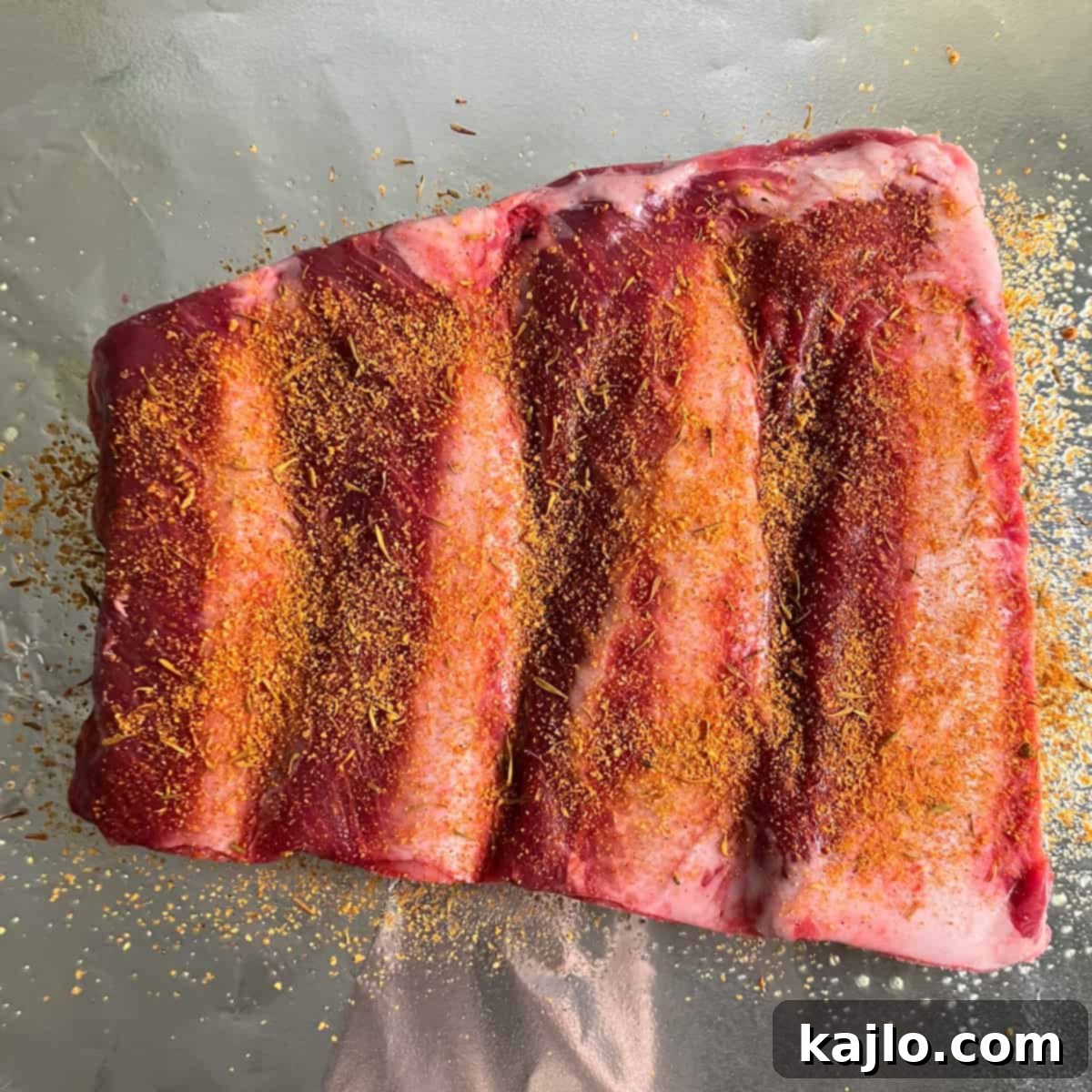
Next, prepare a large sheet of aluminum foil by spraying it lightly with cooking spray. This crucial step helps prevent the riblets from sticking and ensures easier cleanup. Carefully place your seasoned riblet onto the center of the prepared foil, ensuring the meatier side faces upwards. This positioning allows the barbecue sauce to adhere better and caramelize beautifully.
Generously brush your chosen barbecue sauce all over the top surface of the riblet. There’s no need to sauce both sides at this stage, as the steaming process within the foil packet will distribute the sauce, and some will naturally collect at the bottom, thoroughly basting the meat as it cooks.
To create the perfect steaming environment, carefully fold the aluminum foil around the meat, starting by bringing the top and bottom edges together, then crimping the sides to form a tightly sealed packet. This ensures that the moisture is trapped, allowing the riblets to steam and become exceptionally tender. Place this sealed foil packet into a glass baking dish. It’s important to use a light-colored glass dish instead of a dark baking sheet; in my experience, dark baking sheets can cause the barbecue sauce to burn onto the foil, leading to a less desirable outcome and harder cleanup.
Carefully transfer the baking dish containing the foil-wrapped riblets to a rack positioned in the middle of your preheated oven. Bake for the recommended time of 1 hour 45 minutes up to 2 hours. This extended, low-temperature cooking period is key to breaking down the tough connective tissues in the riblets, resulting in that coveted fall-off-the-bone texture.
The riblets should reach a minimum internal temperature of 180°F (82°C) or even higher for optimal tenderness. You’ll know they’re perfectly done when the meat effortlessly releases from the bone. If you opt to use an oven bag instead of foil, be aware that the cooking time will increase to approximately 2.5 hours due to different heat retention properties.
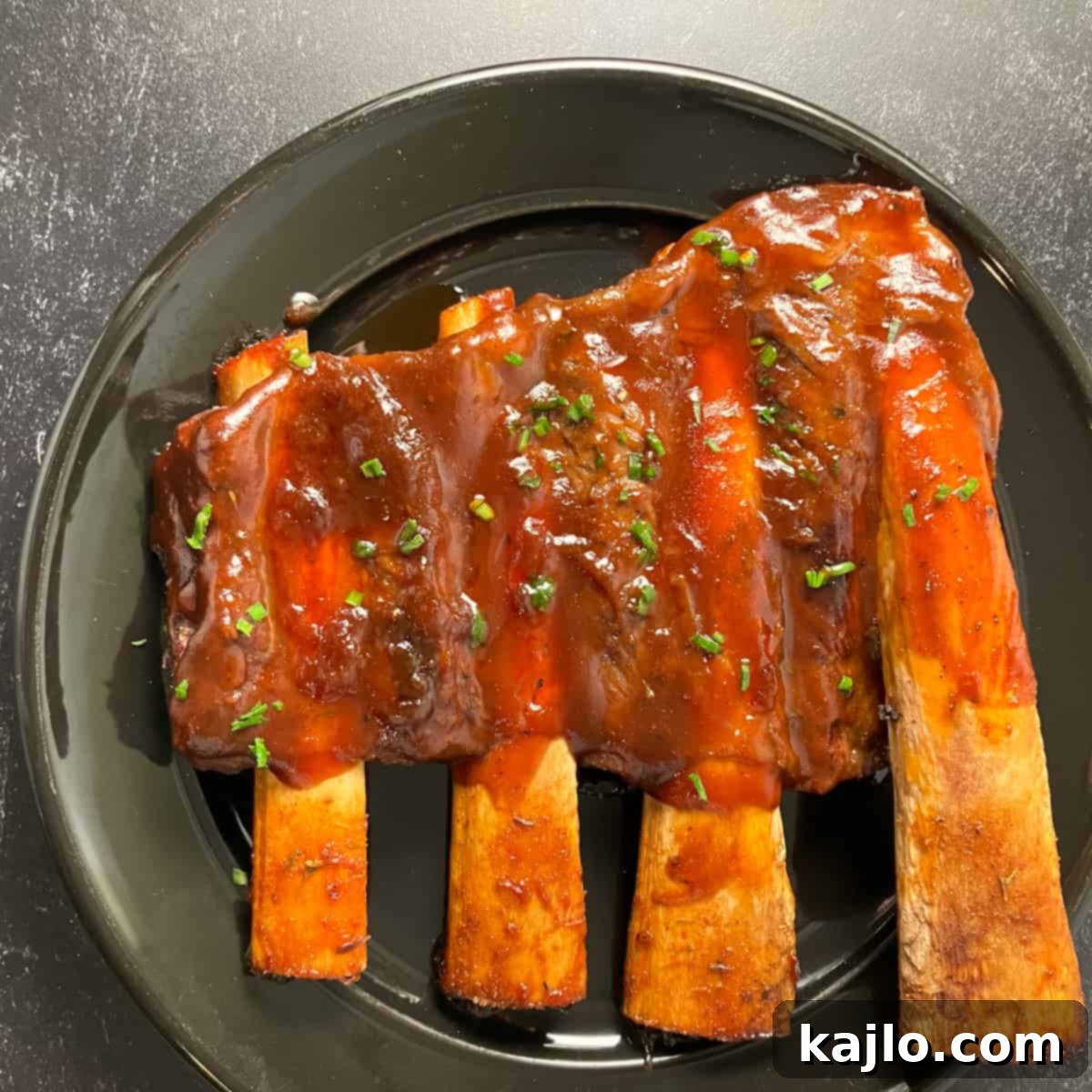
Once your riblets are baked to perfection, you have the option to add an extra layer of flavor by brushing on additional BBQ sauce. This step is entirely up to your personal preference; some prefer a lighter coating, while others enjoy a more generous, saucy finish. Serve immediately and prepare for rave reviews!
🔥 High Heat Challenges: How Long to Cook Riblets in Oven at 400°F (200°C)?
Unlike steaks, which benefit from high-heat searing, riblets truly shine with a longer, slower cooking time. I strongly recommend baking them at a moderate temperature of 300-350°F (149-177°C). Cooking at 400°F (200°C) or higher can cause the riblets to cook too rapidly, preventing the tough connective tissue from breaking down sufficiently. This often results in a less tender, chewier texture that isn’t ideal for riblets.
However, if you absolutely must cook riblets at 400°F (200°C), try baking them in foil for approximately 80-90 minutes (1 hour 20 minutes to 1 hour 30 minutes). Be vigilant and add additional baking time only if they are still tough, but be very careful not to let the barbecue sauce burn, as high heat can quickly scorch sugary sauces. The goal is always tender meat, not charred sauce!
Regardless of your chosen oven temperature, you can enhance the tenderness of your riblets by briefly boiling them first. Many packages of riblets suggest this step. Boil the riblets for about 20 minutes before applying seasoning, sauce, and baking. While I personally often skip this step for convenience, it’s a valuable technique for those seeking maximum tenderness, particularly with tougher cuts.
❓ Serving Success: How to Cut Riblets?
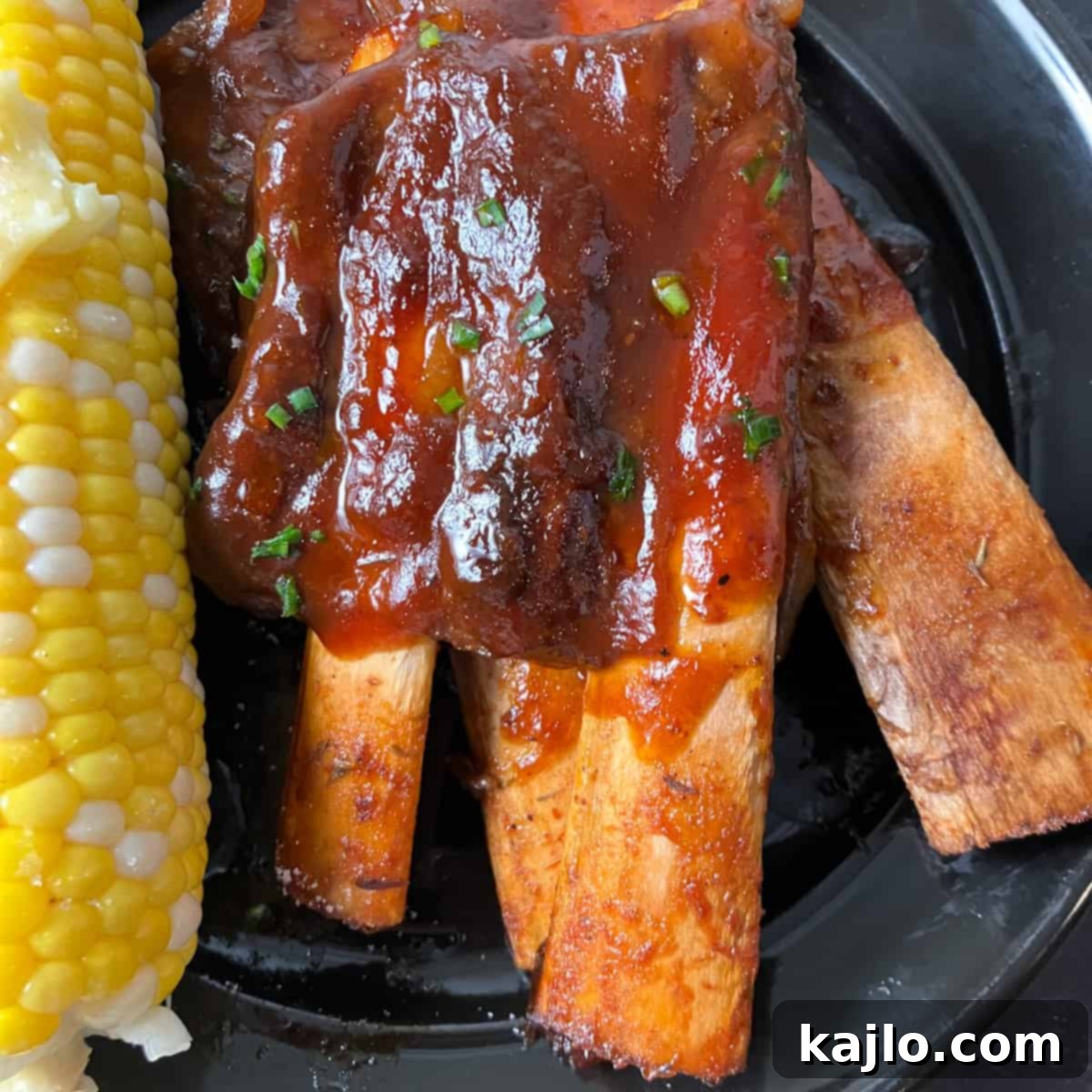
Once your riblets are perfectly cooked and resting, the next step is preparation for serving. I find that the easiest and most enjoyable way to eat riblets is to cut them into smaller, individual pieces. Simply cut lengthwise between each bone. This makes them much easier to pick up, manage, and savor, whether you’re serving them as a main course or as appetizers at a gathering.
🍖 Can You Cook Pork Riblets Faster? Considerations for Speed
Riblets, by their nature, are a “slow food” – they truly benefit from a gradual cooking process that allows their connective tissues to tenderize properly. For the absolute best results, I generally don’t recommend trying to rush the cooking process. Patience is key to achieving that desirable melt-in-your-mouth texture.
That being said, if you’re looking to shave off a little time, using a foil packet for baking (as outlined in this recipe) is typically faster than using an oven bag, due to different heat transfer and steaming dynamics. While you might be tempted to cook riblets at a higher temperature to speed things up, this can be quite risky. As mentioned earlier, high heat can toughen the meat and lead to burnt sauces. I highly advise sticking to an oven temperature of 350°F (177°C) or lower for consistent, tender, and delicious results every time.
🤔 Avoiding Toughness: Can You Undercook Riblets?
Yes, absolutely, you can undercook riblets, and you’ll quickly recognize it by their texture. Undercooked riblets will be noticeably tough, chewy, and resistant to falling off the bone. This happens because the collagen and other tough connective tissues within the meat haven’t had enough time or heat to break down into gelatin. This transformation is what gives properly cooked riblets their incredibly tender, succulent quality. Cooking riblets for a sufficient duration at a relatively low temperature is the secret to achieving this desired breakdown, ensuring a delightful eating experience.
🌡️ Reheating Riblets: Tips for Leftovers
Given the relatively small amount of meat on individual riblets, this recipe typically yields only 1-2 servings, meaning leftovers are often a rare luxury! However, if you do find yourself with some extra deliciousness, storing and reheating them properly ensures they remain enjoyable. Simply remove the meat from the bones and store it in an airtight container in the refrigerator for up to 3-4 days. To reheat, place the leftover riblets in the microwave on high for 1-2 minutes, or until thoroughly heated through. For a slightly crispier finish, you could also reheat them in a preheated air fryer at 350°F (175°C) for 5-7 minutes, tossing halfway, or in the oven wrapped in foil at 300°F (150°C) for about 10-15 minutes.
🥗 The Perfect Pairings: What to Serve with Riblets?
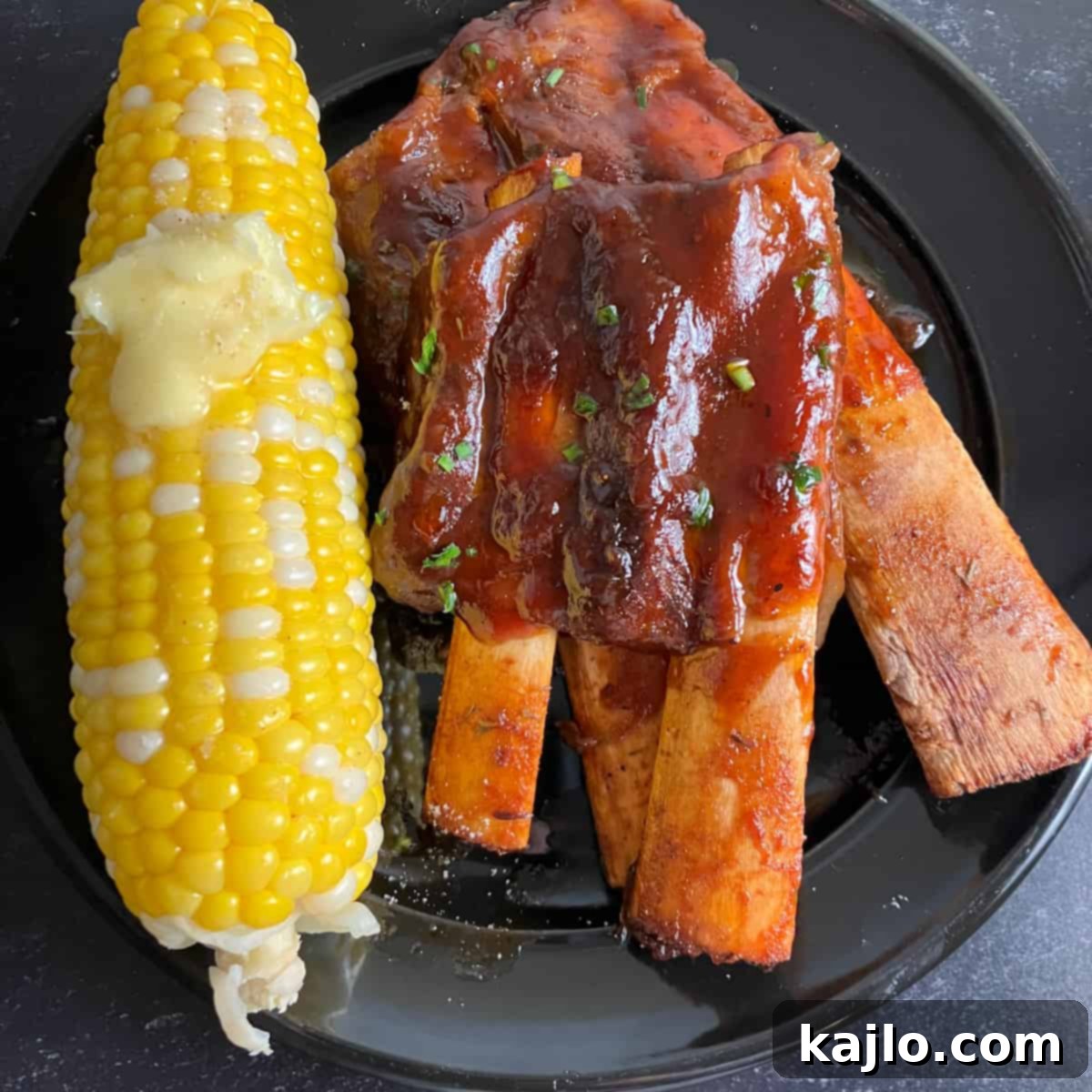
Once your delectable riblets are ready, the next step is rounding out your meal with some fantastic side dishes. What goes well with riblets? Their rich, savory, and often sweet-and-tangy flavor profile makes them incredibly versatile. My all-time favorite accompaniments include juicy grilled corn on the cob, whose sweet crunch provides a wonderful contrast, and this classic southern potato salad recipe, offering creamy, satisfying notes. Beyond these staples, you could also serve them with hearty baked beans, crisp coleslaw for a refreshing counterpoint, or a delightful Amish Macaroni Salad.
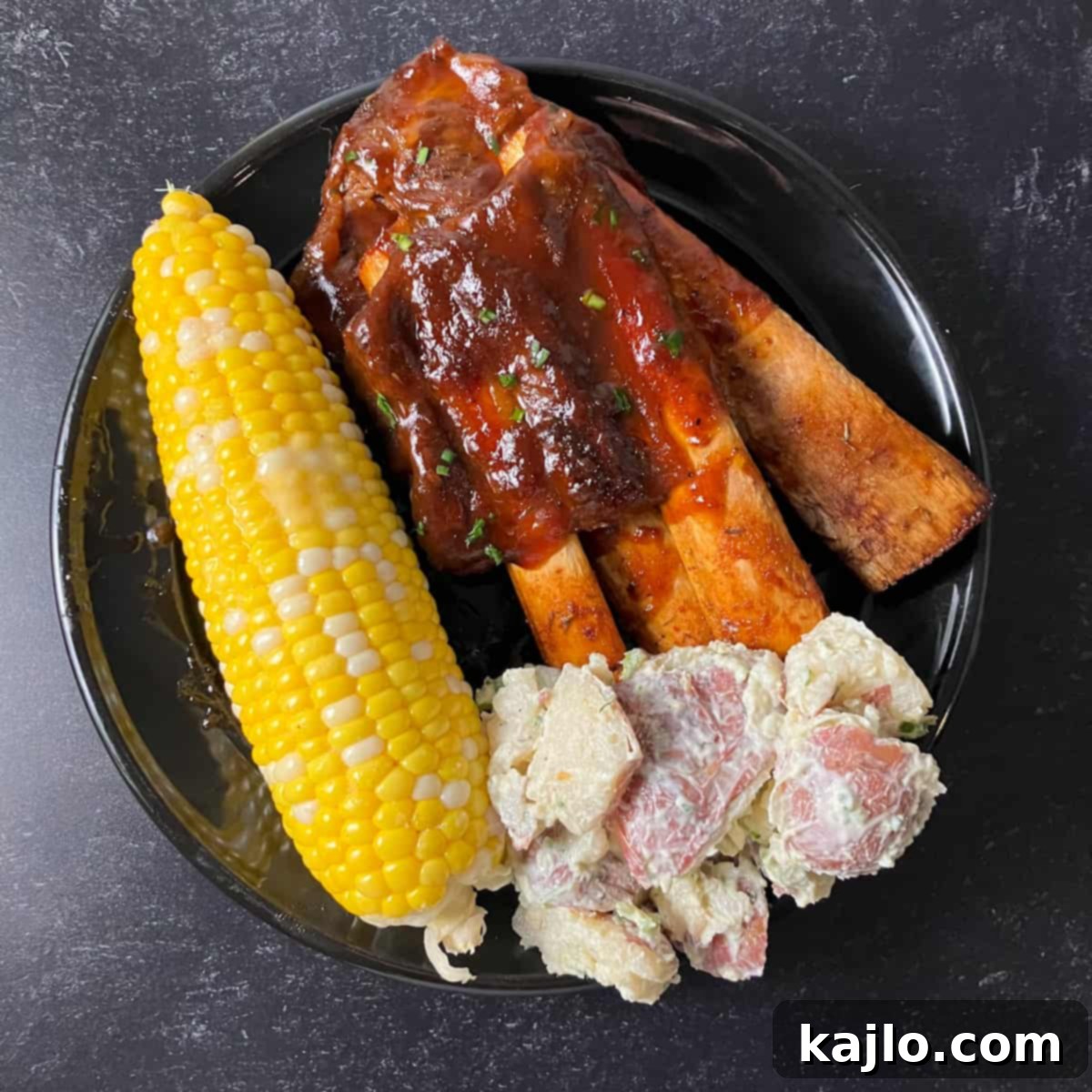
Here are some other delicious side dishes that complement riblets perfectly, enhancing your BBQ feast:
- Smoked Mac and Cheese: Creamy, cheesy, and smoky – a perfect indulgence.
- Kale Apple Slaw: A fresh, vibrant, and slightly sweet slaw that cuts through the richness of the meat.
- Air Fryer Mexican Cornbread: A touch of spice and comforting texture.
- Frozen Green Beans in Air Fryer: A quick and easy green vegetable option.
- Air Fryer Garlic Bread: Crispy, buttery, and garlicky – a crowd-pleaser.
- Air Fryer Frozen Vegetables: Healthy and convenient, offering a variety of options.
📋 Riblets Nutrition Facts: What’s in a Serving?
Understanding the nutritional profile of riblets can help you incorporate them into your diet mindfully. Here’s an estimated nutrition breakdown for one 4-ounce serving (approximately 113 grams) of plain beef chuck riblets, prior to any seasoning or barbecue sauce additions:
- Calories: 430
- Total Fat: 41g
- Saturated Fat: 18g
- Cholesterol: 85mg
- Sodium: 55mg
- Total Carbohydrate: 0g
- Fiber: 0g
- Protein: 16g
- Calcium: 0% DV (Daily Value)
- Iron: 10% DV (Daily Value)
It’s important to remember that these figures represent plain riblets. The nutrition information for this complete BBQ riblets recipe, including the added seasoning and barbecue sauce, will be slightly different and can be found in the detailed recipe card below. Always consider the specific brands and types of sauces and seasonings you use, as they can significantly impact the final nutritional values.
Frequently Asked Questions (FAQs) About Cooking Riblets
How to Make Riblets on the Grill?
While this recipe focuses on oven-baked riblets, grilling is another fantastic way to prepare them, imparting a wonderful smoky flavor and char. For an inspiring take, I highly recommend checking out this recipe for grilled and smoked riblets. It guides you through smoking riblets with cherry wood before finishing them on the grill, promising an incredibly tender and flavorful result. Grilling often involves a two-zone cooking method – an indirect heat zone for slow cooking and a direct heat zone for a final sear and caramelization of the sauce. This approach ensures tenderness without burning. I’m already planning my next grocery trip to try these grilled pork riblets – yum!
How to Make Air Fryer Riblets? Is It Recommended?
While the air fryer is a marvel for many dishes, I generally do not recommend cooking raw riblets in an air fryer for their primary cook. The rapid cooking time and intense dry heat of an air fryer tend to make riblets tough, preventing the connective tissues from adequately breaking down. For riblets, a low-and-slow method is superior for achieving tenderness. However, the air fryer is excellent for quickly reheating already cooked riblets, giving them a lovely crisp exterior without overcooking the interior.
How to Make Riblets in an Instant Pot?
You can certainly prepare riblets in an Instant Pot, particularly using the slow cooker setting to mimic the low-and-slow oven method, following directions similar to those below. If you opt for pressure cooking, remember that Instant Pot riblets require sufficient liquid to prevent scorching. For best results, if pressure cooking, you might find that making the riblets as part of a soup or stew yields a more favorable texture than trying to replicate traditional BBQ riblets, which typically benefit from dry heat and caramelization.
How to Make Riblets in a Slow Cooker?
The slow cooker is an excellent alternative for preparing riblets, especially if you prefer a hands-off approach. Riblets typically take approximately 6-7 hours to cook on the low setting in a slow cooker. To prevent your delicious BBQ sauce from burning or becoming too thick, it’s best to add it towards the end of the cooking process, usually in the last hour or two. Always remember to spray your crock pot with cooking spray before adding the seasoned riblets to ensure they don’t stick and for easier cleanup. This method guarantees tender, juicy riblets with minimal fuss.
Where to Find and Buy Riblets?
Curious about where to get riblets for your next BBQ feast? If you’re looking for a convenient dining experience without the cooking, certain restaurant chains, such as Applebee’s, sometimes feature riblets on their menu. For home cooking, major supermarkets are your best bet. I frequently purchase my riblets at Super Walmart, where the price is often quite reasonable, typically around $2.94 per pound (though prices may vary by location and are subject to change). When selecting riblets, look for cuts with a good meat-to-bone ratio and fresh, vibrant coloring. Don’t hesitate to ask your local butcher if you can’t find them, as they can often prepare these smaller cuts for you.
👨🏾🍳 More Irresistible BBQ Recipes to Try
If you’re eager to expand your repertoire of barbecue-inspired dishes, you’re in luck! We have plenty of other delicious recipes that are perfect for grilling season or anytime you’re craving those savory, smoky flavors. Explore these fantastic options to complete your culinary journey:
- Air Fryer BBQ Chicken Breast: A quick and healthy way to enjoy tender, saucy chicken.
- Air Fryer Cabbage Steaks: A surprisingly delicious and easy vegetable side.
- Bacon Wrapped Pork Tenderloin (Air Fryer): An elegant and flavorful main dish with minimal fuss.
Watch How to Make It!
Beef Chuck Riblets Recipe (BBQ Beef Riblet in Oven)
Summer Yule
Print Recipe
Pin Recipe
Ingredients
- 1 lb riblets 454 grams
- ½ cup BBQ sauce (may need less if sauce is thin)
- BBQ seasoning
- cooking oil spray
Instructions
- Preheat your oven to 350°F (177°C). Season the riblets generously on both sides with your chosen BBQ seasoning blend.
- Tip! For optimal cooking, it’s best to use a riblet piece weighing around 1 lb. (454 grams). Smaller or larger pieces may require adjustments to the cooking time to ensure they cook evenly.
- Lay out a large piece of aluminum foil and lightly spray it with cooking spray. Place the seasoned riblet onto the foil, ensuring the meatier side is facing upwards.
- Generously brush barbecue sauce over the entire top surface of the riblet.
- Create a sealed packet around the meat by folding up the top and bottom edges of the foil, then securely crimping the sides. Place this foil packet into a glass baking dish. Avoid using a dark baking sheet, as this can cause the BBQ sauce to burn onto the foil, as I’ve experienced!
- Position the baking dish with the riblets on a rack in the middle of your preheated oven. Bake for approximately 1 hour and 45 minutes to 2 hours.
- The riblets are ready when they reach a minimum internal temperature of 180°F (82°C) or higher, and the meat easily separates from the bone. Note that if you opt for an oven bag instead of foil, the cooking time will extend to about 2½ hours.
- Once cooked, remove from the oven, allow to cool slightly, then cut the riblets between the bones. Serve immediately, with additional BBQ sauce on the side if desired.
Save this RecipeSaved!
Equipment
- Foil
- 9×13 Glass Baking Dish
- Silicone Pastry Brush
- Kitchen Thermometer
Notes
💭 Expert Tips from Dietitian Summer Yule
This is a level 3 recipe (weight maintenance and active lifestyles). I absolutely adore delicious riblets! They are not only rich in a variety of B vitamins but also an excellent source of high-quality protein, making them a nutritious addition to many diets. However, it’s worth noting that due to their fat content, they may not be the optimal choice if your primary goal is weight loss.
Riblets are inherently a very fatty cut of meat, often providing more calories from fat than from protein. For instance, a typical 4-ounce serving of riblets can supply around 369 calories from fat, compared to only about 64 calories from protein.
For effective weight loss, maintaining a calorie deficit is crucial. To put this in perspective, a 4-ounce serving of lean ground beef typically ranges from 140-170 calories. In contrast, beef riblets average about 430 calories per 4-ounce serving—nearly 300 calories more.
Fat is the most energy-dense macronutrient, meaning it packs a significant number of calories into a smaller volume. If you’re aiming to lose weight without drastically reducing your food intake, a smart strategy is to substitute fattier meats with lean protein sources.
In addition to being high in total fat, riblets are also typically high in saturated fat. This is the specific type of fat that experts recommend moderating if you’re actively working to improve your cholesterol levels and overall cardiovascular health.
Furthermore, riblets are commonly drenched in sugary BBQ sauces and seasoned with various salty blends. These additions can contribute extra sugars and sodium, which are further reasons why riblets might not be the top choice if you’re strictly adhering to a heart-healthy diet.
Despite these nutritional considerations, I still find immense joy in savoring riblets occasionally, especially during beloved summer holidays like the Fourth of July and Memorial Day. In my humble opinion (IMVHO), it’s perfectly fine to enjoy treats like riblets on occasion, as long as they don’t conflict with any medically prescribed dietary plans. However, for most individuals, they are best enjoyed as an occasional treat rather than an everyday dietary staple.
Please note: The nutrition information provided is an estimate for one serving of cooked beef riblets and will naturally vary based on the specific barbecue sauce and seasoning brands you choose. This nutritional data was calculated for approximately 5.5 ounces of cooked meat, which was the yield after cooking 1 pound of raw riblets.
nutrition info disclaimer
All recipes on this website may or may not be appropriate for you, depending on your medical needs and personal preferences. Consult with a registered dietitian or your physician if you need help determining the dietary pattern that may be best for you.
The nutrition information is an estimate provided as a courtesy. It will differ depending on the specific brands and ingredients that you use. Calorie information on food labels may be inaccurate, so please don’t sweat the numbers too much.
“To taste” means to your preferences, which may have to be visual to follow food safety rules. Please don’t eat undercooked food x
Nutrition
Join our growing community! Subscribe today for all of the latest and greatest recipes, culinary tips, and more. Don’t forget to follow me on Facebook, Pinterest, Instagram, and YouTube to stay connected and never miss out!