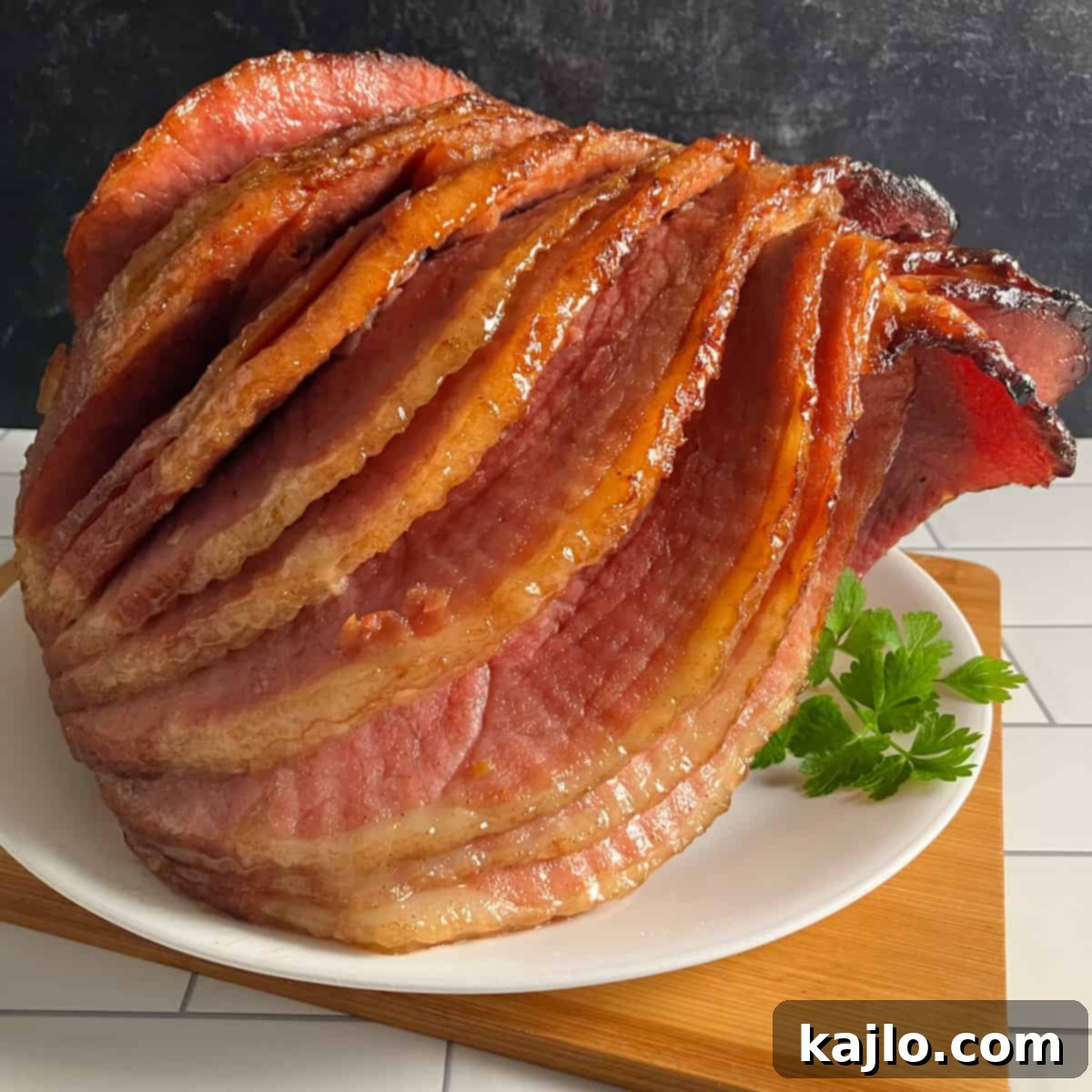
Mastering the Perfect Ham Roast: A Comprehensive Guide for Holiday Feasts
Transform your holiday gatherings or special Sunday dinners with this exquisite ham roast recipe. Whether you’re a seasoned chef or a kitchen novice, mastering a delicious ham roast is simpler than you might imagine. This guide will walk you through everything from selecting the right ham to achieving that coveted golden, sticky glaze and ensuring a perfectly tender, juicy outcome every time. Our star recipe features a rich butter and brown sugar glaze, making this pork ham roast recipe an unforgettable centerpiece for your festive table.
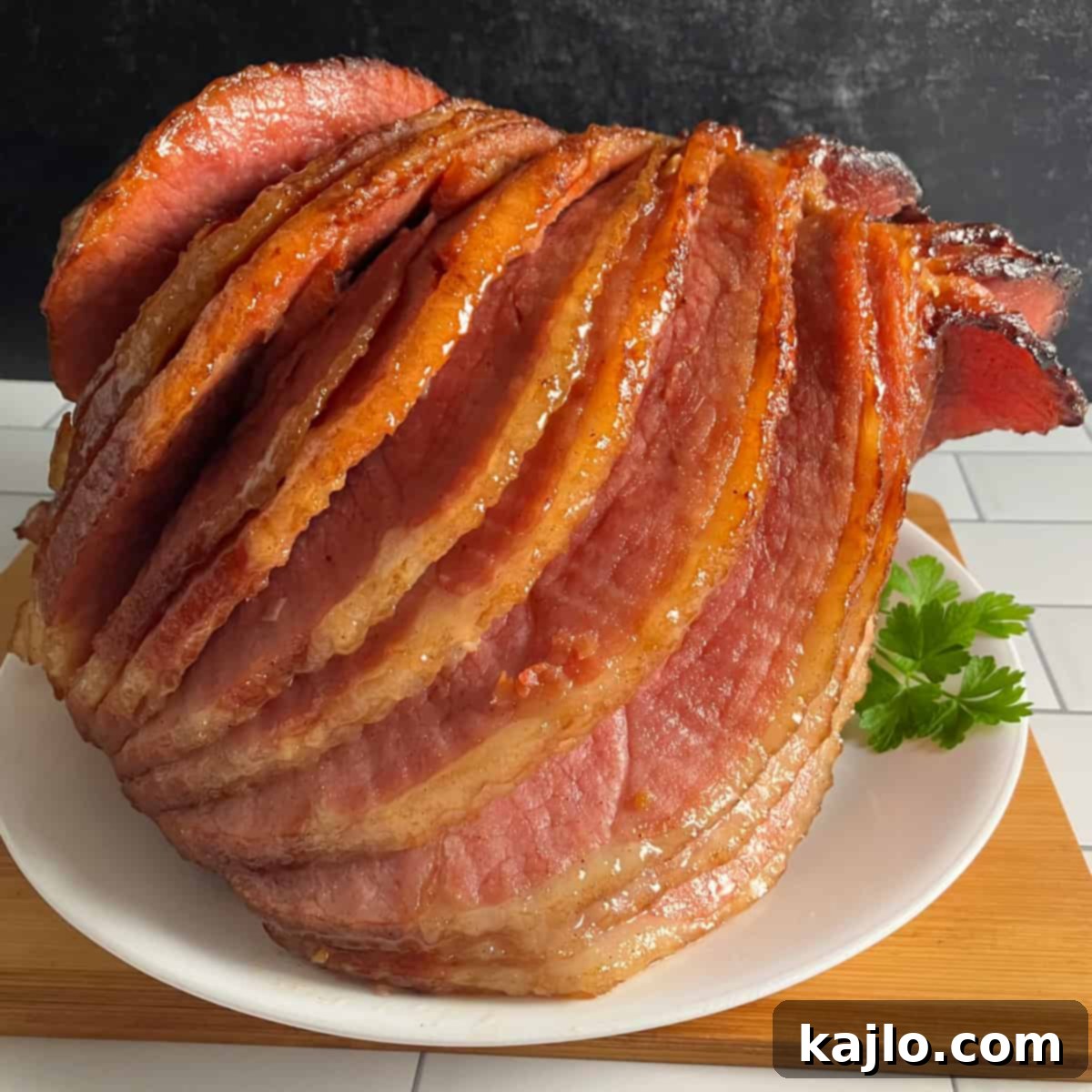
A beautifully roasted ham is synonymous with celebrations like Christmas and Easter, but why limit this treat? Leftover hams often go on sale after the holidays, presenting a perfect opportunity to enjoy a succulent fresh ham roast recipe for any special occasion. Forget complex brining or elaborate marinades – this roast ham recipe focuses on simplicity and delivers exceptional results: crisp, caramelized edges, and delightfully tender meat that will impress everyone at your table.
This comprehensive article is your ultimate resource for how to cook ham roast. We’ll demystify the process, including detailed instructions on how to cook fresh ham, complete with a precise chart for how long to cook a fresh ham. Furthermore, you’ll discover expert techniques for how to roast ham that has already been cured, ensuring success regardless of your ham choice.
🐷 Understanding Your Ham: Is a Ham Roast the Same as Ham?
The terms “ham” and “ham roast” are often used interchangeably, but it’s helpful to understand their nuances. According to Merriam-Webster, a “ham” specifically refers to a cut of thigh meat, typically from a hog. A “roast,” on the other hand, describes a piece of meat suitable for cooking with dry heat, such as roasting in an oven. Most hams and ham roasts available commercially are cured, which involves a preservation process using salt, sugar, and sometimes nitrates, often followed by smoking. This curing process gives ham its distinctive flavor and pink color.
The world of ham is vast, encompassing a wide array of products, including ham steaks, spiral-cut hams, pre-cooked hams, half hams, whole hams, city hams, country hams, and smoked hams. Occasionally, you might also find a “fresh pork ham roast,” which is an uncured cut from the hind leg. Before embarking on any cured or fresh ham roast recipes, it’s crucial to identify the specific type of ham you have. Factors such as whether it’s bone-in or boneless, and its level of processing (pre-cooked, “cook-before-eating,” or raw) significantly influence cooking times and methods.
Is a Ham Roast the Same as a Pork Roast?
No, these terms are distinct. While both come from a pig, a “pork roast” is a general term for a raw cut of pork, which can come from various parts of the animal, such as the shoulder (e.g., a fresh pork shoulder roast) or loin. A “ham roast,” however, is specifically derived from the hind leg of the pig and is almost always cured and often smoked. This curing and smoking process is what fundamentally differentiates a ham roast from other cuts of pork roast.
Is Ham Roast Already Cooked?
This is a critical question when preparing your ham. In the United States, most hams sold in stores are pre-cooked, meaning they have already undergone a smoking and curing process that renders them safe to eat. These hams primarily require reheating to a safe internal temperature. Conversely, roasts labeled simply “pork” are typically raw and require full cooking.
It is possible, however, to find uncured ham, often labeled as “fresh ham” or “fresh pork ham roast.” These products are raw and must be cooked thoroughly. It’s also worth noting that sometimes “fresh ham” refers to a pre-cooked ham that is refrigerated, not frozen, implying it’s ready to reheat. Always check the packaging carefully to determine if your ham is pre-cooked or uncooked, as this will drastically impact the cooking time and prevent your ham from drying out due to overcooking.
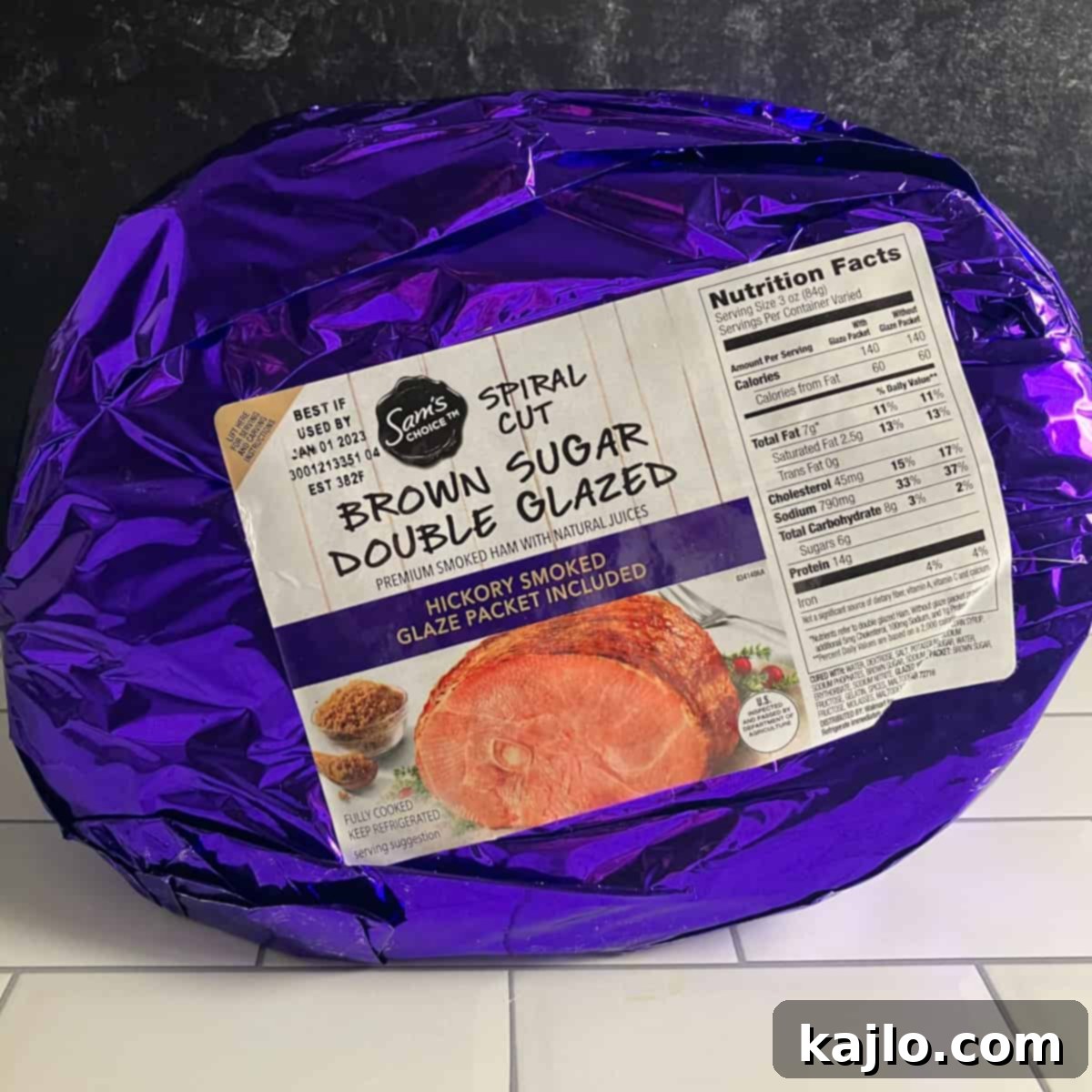
🍖 How Long Does It Take to Roast a Ham?
Knowing how long to cook a ham for per pound is essential for a succulent roast. Use the following chart as a comprehensive guide for roasting various types of ham. Remember that ham is generally leaner than other pork cuts like pork shoulder, making it more susceptible to drying out if overcooked. Close monitoring with a meat thermometer is key to perfection.
Fresh Ham Cooking Chart
All times provided are for an oven set to 325 degrees Fahrenheit (163°C). These are general guidelines; always consult your ham’s packaging for specific instructions and use a meat thermometer for accuracy.
| Size | Precooked Bone-In Ham Reheat Time (minutes, whole or half ham) | Baking Uncooked Fresh Ham Bone In (minutes, whole or half ham) | Boneless Fresh Ham Roast (minutes, whole or half ham) | Smoked Ham, Bone In, Cook before eating (minutes, half or whole ham) |
|---|---|---|---|---|
| 5 lbs (2.3 kg) | 90-120 | 175-200 | – | 110-125 |
| 6 lbs (2.7 kg) | 108-144 | 210-240 | – | 132-150 |
| 7 lbs (3.2 kg) | 126-168 Spiral cut: 70-126 | 245-280 | – | 154-175 |
| 8 lbs (3.6 kg) | Spiral cut: 80-144 | 280-320 | – | – |
| 9 lbs (4.1 kg) | Spiral cut: 90-162 | – | – | – |
| 10 lbs (4.5 kg) | 150-180 | – | 240-280 | 180-200 |
| 11 lbs (5 kg) | 165-198 | – | 264-308 | 198-220 |
| 12 lbs (5.4 kg) | 180-216 | 264-312 | 288-336 | 216-240 |
| 13 lbs (5.9 kg) | 195-234 | 286-338 | 312-364 | 234-260 |
| 14 lbs (6.4 kg) | 210-252 | 308-364 | 336-392 | 252-280 |
| 15 lbs (6.8 kg) | – | 330-390 | – | – |
| 16 lbs (7.3 kg) | – | 352-416 | – | – |
As the chart illustrates, your pre-cooked, cured ham roast will generally require less cooking time than a raw fresh ham. Spiral-sliced hams, with their pre-cut surfaces, tend to reheat faster than uncut hams. Interestingly, boneless hams often have longer cooking times per pound compared to bone-in hams of the same weight, as the bone can conduct heat more efficiently through the meat.
Do You Glaze Ham Before or After Cooking?
For most ham roasts, especially those with sugary glazes, it’s best to apply the glaze during the final 30 minutes of roasting. This timing is crucial because the high sugar content in many ham glazes can caramelize and burn quickly if exposed to high heat for too long, resulting in a bitter crust. Applying it later allows the glaze to achieve a beautiful, sticky, and golden-brown finish without scorching.
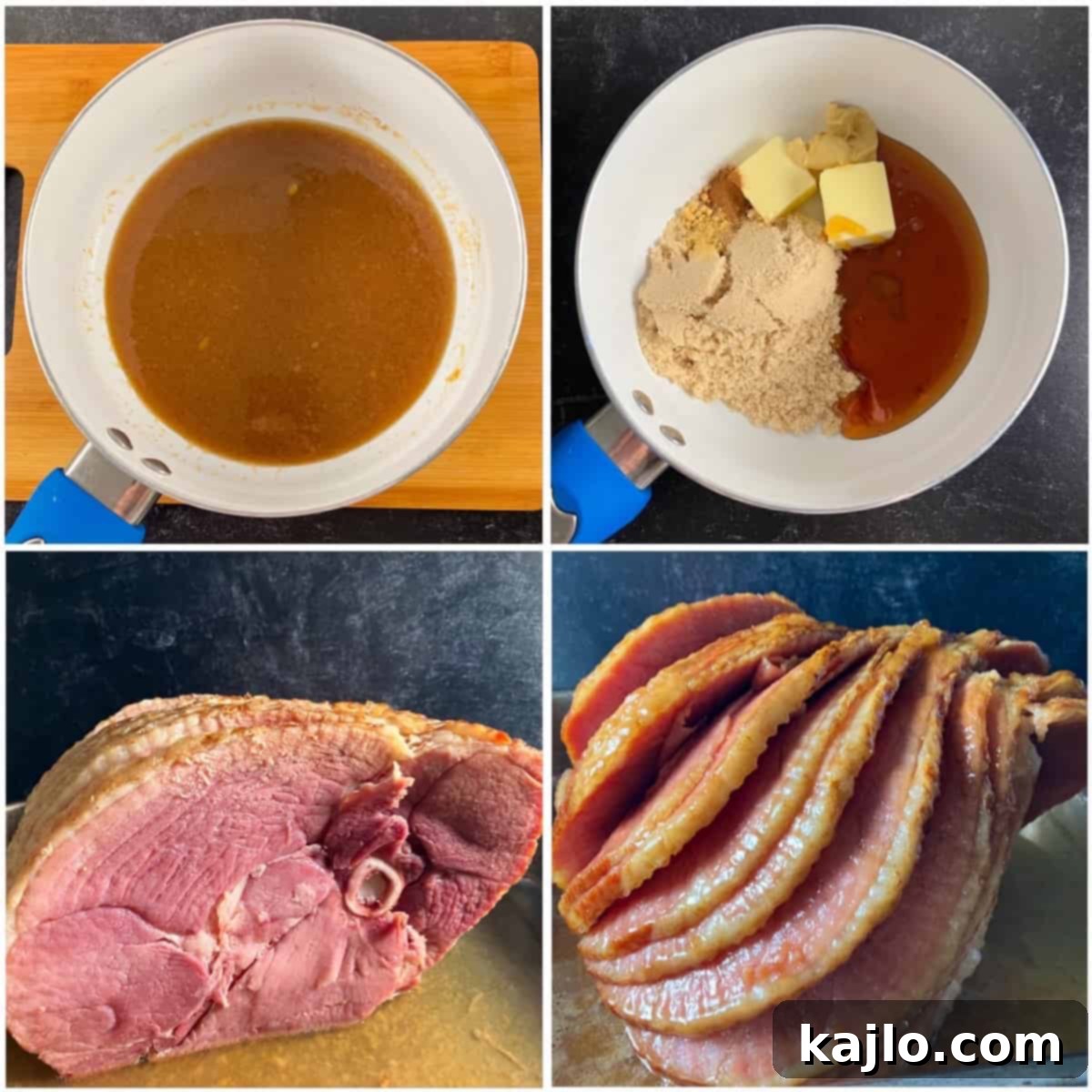
An alternative method, particularly effective for fresh hams or for achieving a deeply caramelized crust, is to fully cook the ham, then remove it from the oven, apply the glaze, and briefly broil it. Broiling should only take a few minutes – keep a very close eye on it to prevent burning, as the sugars will brown very rapidly under direct heat. This technique helps set the glaze perfectly.
Should I Put Anything on My Ham Before Cooking?
The preparation before cooking largely depends on the type of ham. For uncooked fresh ham, it’s common for recipes to recommend seasoning the ham with a dry rub or brine before it goes into the oven. This helps to tenderize the meat and infuse it with flavor. However, for most pre-cooked or smoked hams, additional seasoning before cooking is often unnecessary. These hams are typically flavorful from their curing and smoking process. For these, the primary “addition” will be the glaze brushed on towards the end of the cooking time.
What Temperature is a Ham Roast Done?
Achieving the correct internal temperature is paramount for both food safety and optimal texture. According to FoodSafety.gov, uncooked ham roast and “cook before eating” smoked ham roast should reach a minimum internal temperature of 145°F (63°C). After reaching this temperature, the ham should rest for at least 3 minutes before slicing and serving. This resting period allows the juices to redistribute, resulting in a more tender and flavorful ham.
For cooked hams that are packaged in USDA-inspected plants, you only need to reheat them to 140°F (60°C). If you’re reheating any other type of cooked ham (where the source isn’t specified or it’s homemade), it’s safest to reheat it to 165°F (74°C) to ensure it’s fully warmed through and safe for consumption.
How Do You Know When Roast Ham is Cooked?
The most reliable method to determine if your roast ham is cooked to perfection is to use a meat thermometer. Insert the thermometer into the thickest part of the ham, avoiding the bone. The color of the ham, especially cured ham, can be misleading; it may remain pink even when fully cooked. Relying on visual cues alone can lead to either undercooked or, more commonly, overcooked and dry ham.
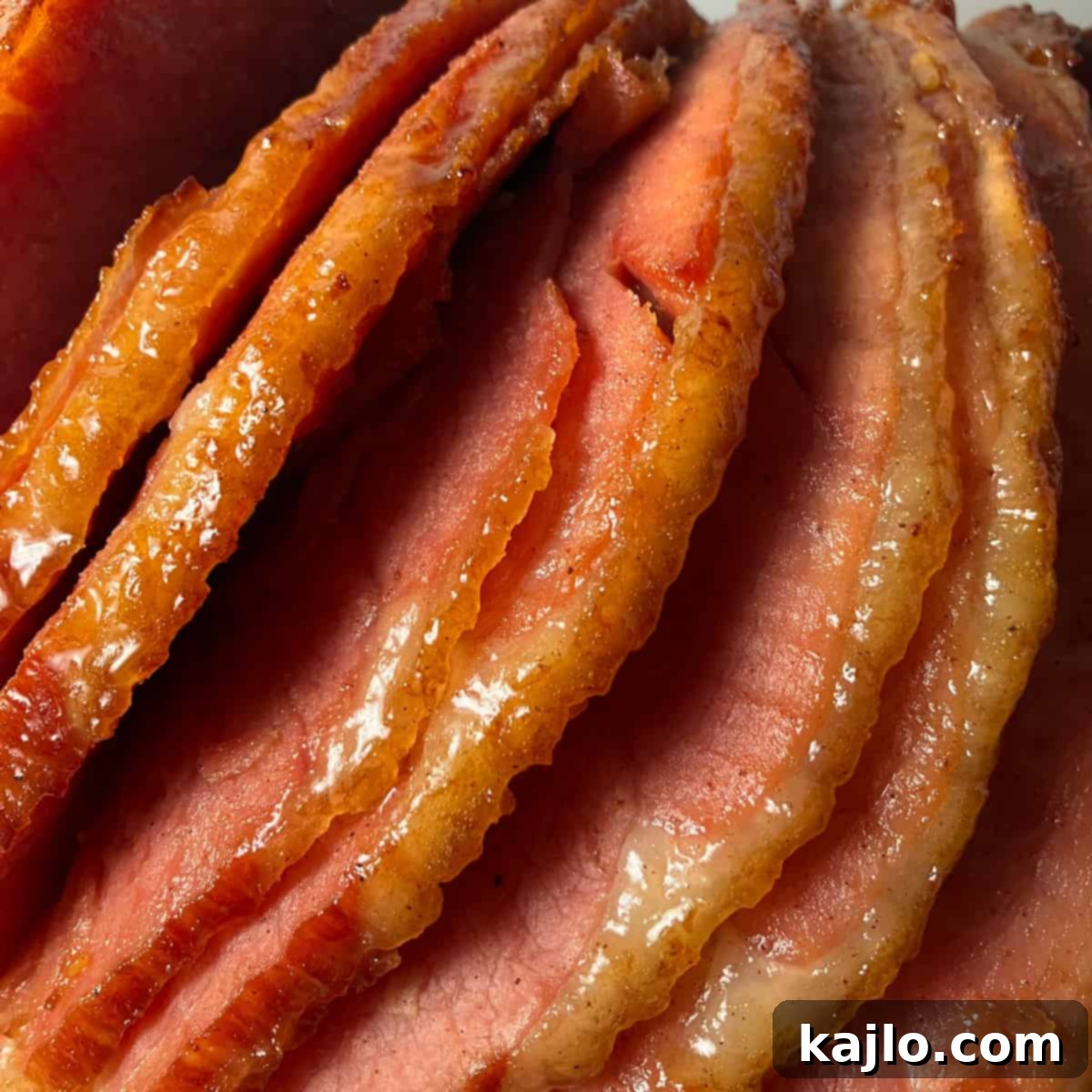
Is it Better to Cook a Ham at 325 or 350?
For most ham roasts, especially fresh ham roasts, a cooking temperature of 325°F (163°C) is generally recommended. This is a consistent recommendation across many USDA charts for a reason: a lower, slower cooking temperature helps to prevent the ham from drying out and allows for more even cooking. Higher temperatures, such as 350°F, can lead to a dry exterior before the interior is perfectly cooked.
How Long Do You Cook a Cooked Ham at 350?
While 325°F is often preferred, a fully cooked ham can certainly be heated at 350°F (177°C) if you’re mindful of moisture. For instance, Today.com suggests cooking ham for approximately 20 minutes per pound at 350°F. To combat the risk of dryness at this higher temperature, it is highly recommended to wrap the ham tightly in aluminum foil. Additionally, basting the ham periodically throughout the cooking process with its own juices or a flavorful liquid can significantly help in retaining moisture and enhancing flavor.
How Long Does It Take to Cook a 10 lb Ham?
For a 10 lb spiral-cut pre-cooked ham, when baking at 350°F, you should expect it to take approximately 50-60 minutes. The key here is “pre-cooked” – you are primarily reheating it. Always cover the ham with foil to maintain moisture. The glaze should be added towards the end of the cooking process or just before serving, allowing it to caramelize without burning.
❓ Do You Cover a Ham When Roasting?
Should ham be covered or uncovered? For the best results in terms of moisture retention, it is highly advisable to cover your ham with aluminum foil for the majority of the roasting time, regardless of whether it’s a fresh or pre-cooked ham. This creates a steamy environment that helps keep the meat moist and tender.
If you’re planning to apply a glaze, uncover the ham for the final 25-30 minutes of the cooking time. This allows the glaze to caramelize and form a beautiful, sticky crust. During this uncovered period, you can also baste the ham with its pan juices or additional glaze to build up layers of flavor and shine.
How Do You Keep Ham from Drying Out in the Oven?
What keeps ham moist? Can you overcook ham? Yes, ham is notoriously easy to overcook, leading to a dry, unappetizing result. Here are essential tips to ensure your ham remains wonderfully moist and tender:
- Don’t trim the fat: A natural fat cap on the ham helps protect the meat from drying out during roasting. Let it render slowly, basting the ham in its own flavorful juices.
- Keep it covered: For most of the cooking process, keep the ham tightly covered with aluminum foil. This traps steam and moisture, ensuring even cooking and preventing the surface from hardening.
- Monitor with a thermometer: This is the single most important tip. An instant-read meat thermometer will tell you exactly when the ham reaches its target internal temperature. Remove it promptly once it hits the minimum safe temperature to avoid overcooking.
- Baste regularly: Periodically baste the ham with its pan juices, broth, or your chosen glaze. This adds moisture and flavor throughout the cooking process.
To further summarize the cooking times based on ham type and weight (all at 325°F/163°C):
- Precooked spiral cut ham, 7-9 lbs: 10-18 minutes per pound.
- Cooked half bone-in ham, 5-7 lbs: 18-24 minutes per pound.
- Cooked whole bone-in ham, 10-14 lbs: 15-18 minutes per pound.
- Bone-in half ham, uncooked, 5-8 lbs: 35-40 minutes per pound.
- Uncooked fresh boneless ham, 10-14 lbs: 24-28 minutes per pound.
- Uncooked fresh bone-in ham, 12-16 lbs: 22-26 minutes per pound.
➕ What to Make with a Ham Roast
A perfectly roasted ham, especially a honey-glazed one, pairs beautifully with a wide array of classic holiday side dishes. The rich, savory, and sweet notes of the ham complement many traditional flavors. Here are some delightful side dish ideas to serve alongside your magnificent ham roast:
- Creamy Green Bean Casserole
- Rich and Cheesy Scalloped Potatoes
- Fluffy Mashed Potatoes (with plenty of butter and gravy!)
- Decadent Baked Macaroni and Cheese
- Maple Syrup Roasted Sweet Potatoes with a hint of spice
- Tart Cranberry Sauce (homemade or store-bought)
- Crispy Roasted Brussels Sprouts with Bacon
- Sweet Glazed Carrots
- Dinner Rolls or Cornbread
🍯 What Should I Baste My Ham With?
What can I add to ham for flavor? For a succulent smoked ham roast, I highly recommend covering it with foil for most of the cooking duration to lock in moisture. You might also add a small amount of water or broth to the bottom of the roasting pan to create a steamy environment and prevent juices from burning. As the ham approaches doneness, it’s time to unleash the flavor with a rich, sweet, and tangy glaze. My go-to glaze provides a beautiful crust and enhances the ham’s natural savory qualities.
Here’s what you need to make the best glaze for your ham roast:
- 3 tablespoons unsalted butter
- ½ cup light brown sugar, packed
- ¼ cup honey
- 1 tablespoon Dijon mustard (adds a crucial tangy kick!)
- ¼ teaspoon ground cinnamon
- ⅛ teaspoon ground cloves
- ⅛ teaspoon ground ginger
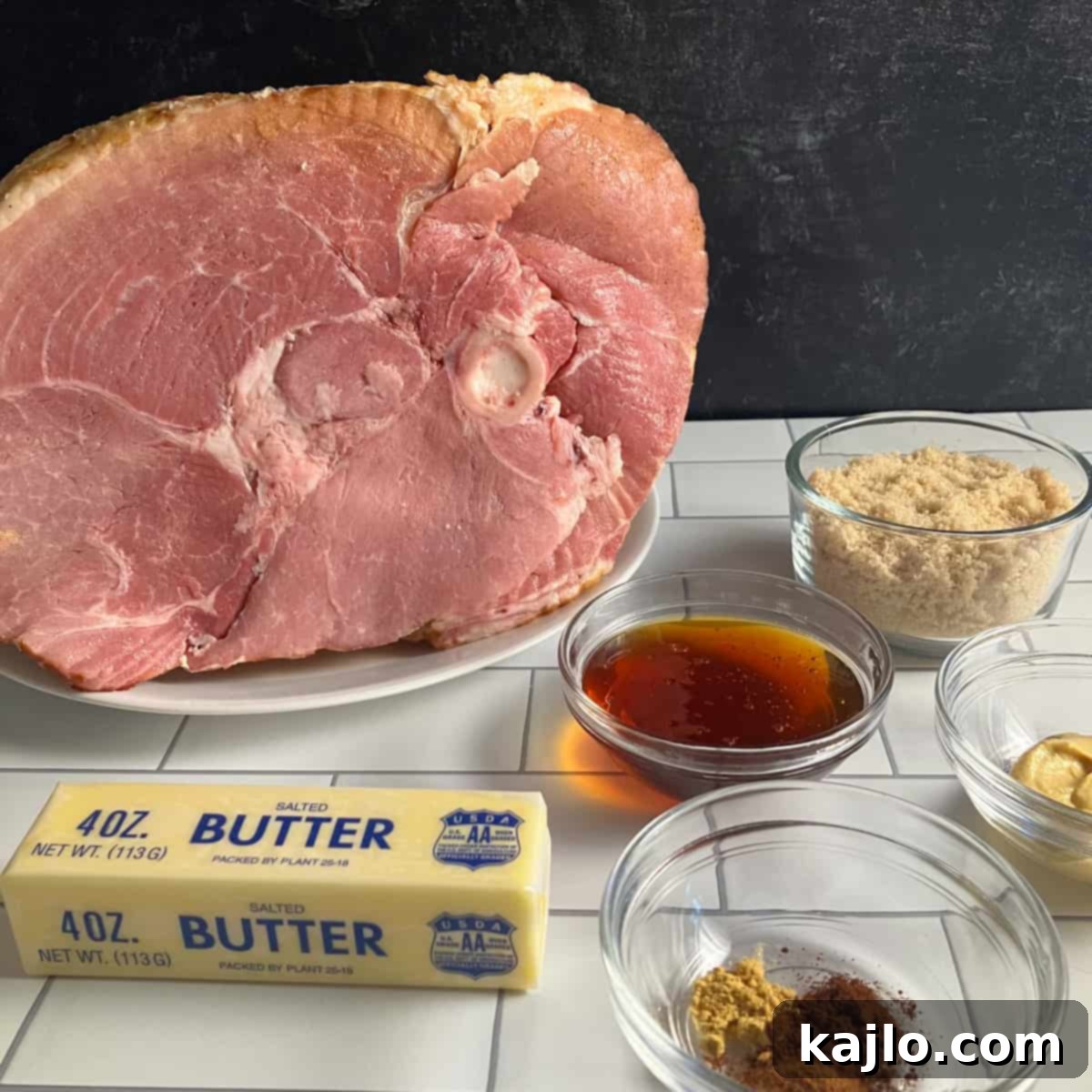
You typically won’t need to add extra salt to cured ham, as it’s already quite salty from the curing process. A dash of black pepper, however, can be a welcome addition if you enjoy a subtle peppery note. And don’t even think about skipping the Dijon mustard – it’s the secret ingredient that provides a much-needed piquant balance to the sweetness, elevating the glaze’s complexity without being overpowering.
Some cooks enjoy incorporating fruit juices, such as pineapple juice or orange juice, into their ham glazes for an added layer of brightness and tang. If you’re preparing a fresh ham roast and want to enhance its presentation and flavor infusion, consider scoring the surface of the ham in a decorative diamond pattern with a sharp knife. You can then stud the points of the diamonds with whole cloves before glazing, which adds a beautiful aromatic quality.
🥗 What is Ham Roast Used For?
While the ham roast is most celebrated as a magnificent main course for festive holiday meals like Christmas and Easter, its versatility extends far beyond special occasions. The beauty of a large ham roast lies in its delicious leftovers, which can be transformed into a variety of meals throughout the week. Here are some of my favorite creative ways to utilize leftover ham roast:
- Enhance the savory depth of a classic split pea soup.
- Serve diced ham alongside scrambled eggs or in an omelet for a hearty breakfast or brunch.
- Create delicious ham sandwiches or sliders, perhaps with a touch of cheese and mustard.
- Chop and use as a flavorful protein in tacos, burritos, fajitas, or cheesy quesadillas.
- Dice and sprinkle over a fresh garden salad for an extra boost of protein and flavor.
- Incorporate into pasta dishes or casseroles.
- Make savory ham and cheese muffins or quiches.
🌡️ Ham Roast Storage
Proper storage ensures you can enjoy your delicious roast ham for days to come. Any leftover roast ham that you don’t plan to consume within 3-4 days should be promptly moved from the refrigerator to the freezer. Ham roast freezes and reheats remarkably well, making it perfect for meal prepping. To freeze, divide leftovers into portions and store them in vacuum-sealed bags or high-quality freezer bags, ensuring all excess air is pressed out to prevent freezer burn.
When you’re ready to enjoy your frozen ham, reheating is simple. Individual slices of ham roast can be quickly warmed in an air fryer at 400°F (200°C) for about 3-5 minutes, until heated through. Alternatively, for a quick reheat, place slices in a microwave on high for 1-2 minutes. For larger quantities or a whole piece, reheating gently in the oven, covered, at a low temperature (e.g., 300°F/150°C) with a splash of broth or water can help maintain moisture.
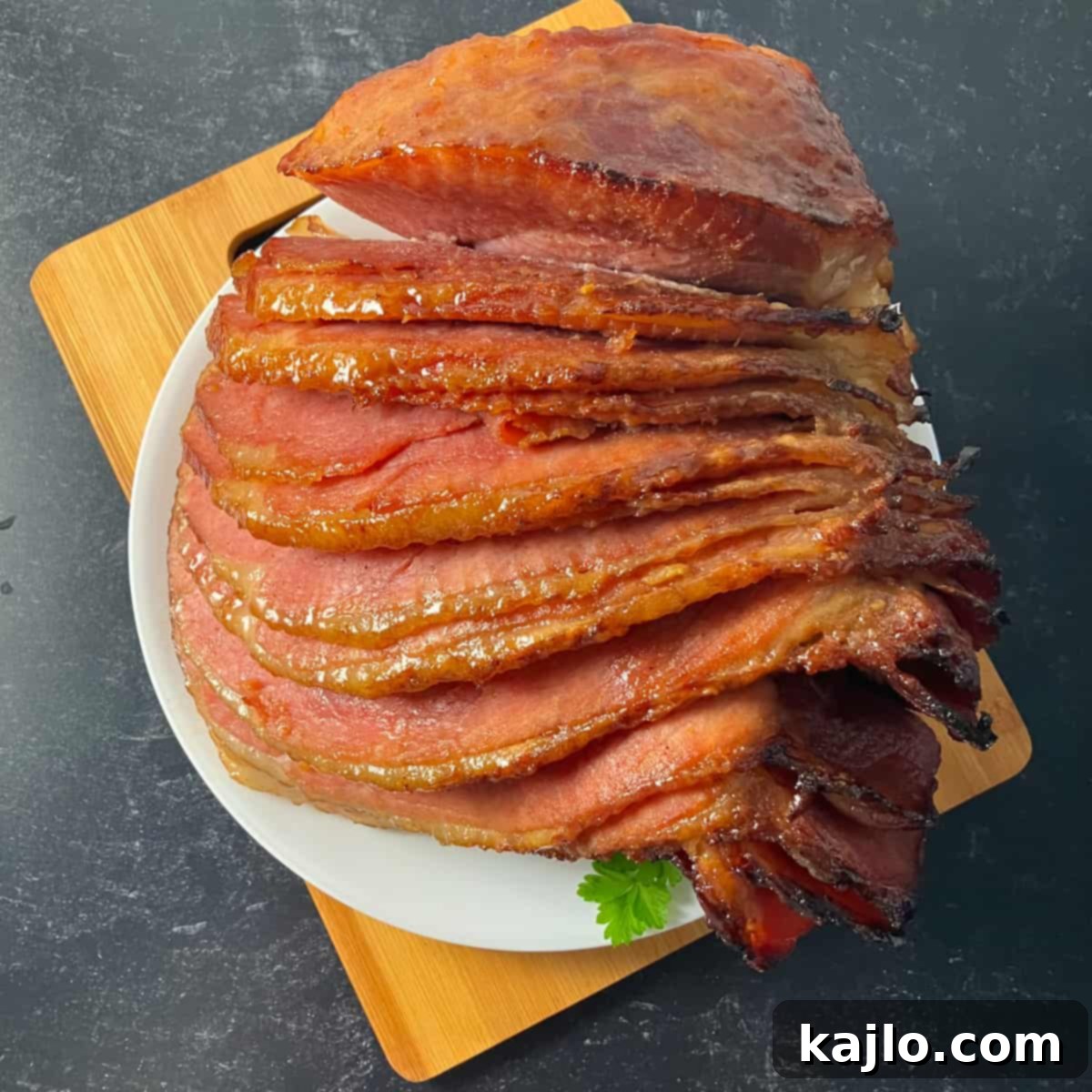
Watch How to Make It!
For a visual guide, watch the video tutorial on how to prepare this delicious ham roast.
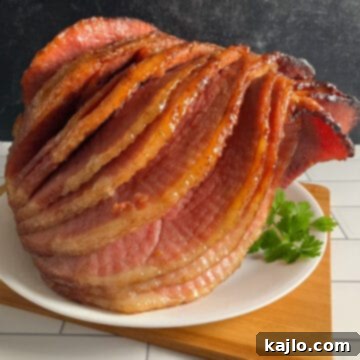
Ham Roast (Recipe for Ham Roast)
Summer Yule
This ham roast recipe is perfect for holiday gatherings.
Cook Time: 1 hr 10 mins
Total Time: 1 hr 10 mins
Course: Dinner
Cuisine: American
Servings: 18
Calories: 140 kcal
Ingredients
- 7-10 lb ham roast (3.2-4.5kg, precooked and cured or fresh and uncured)
- 3 tablespoons butter
- ½ cup light brown sugar
- ¼ cup honey
- 1 tablespoon Dijon mustard
- ¼ teaspoon cinnamon
- ⅛ teaspoon cloves (ground)
- ⅛ teaspoon ginger powder
Instructions
- Preheat the oven to 325°F (163°C).
- Place the ham roast cut side down in a roasting pan. Cover tightly with aluminum foil. Place on a rack about ¾ of the way down in the oven.
- For spiral sliced pre-cooked ham: Bake 10-12 minutes per pound, adding cooking time if needed (may take up to 18 minutes per pound). Bone-in smoked hams that are “cook before eating” take 18-20 minutes per pound.
For bone-in uncut pre-cooked ham: Bake 15-24 minutes per pound (smaller hams generally take more minutes per pound). Place ham on a roasting rack, and add water to the bottom of the pan if the juices are burning.
For uncooked fresh ham: Bake 24-28 minutes per pound for boneless fresh ham, and 22-26 minutes per pound for bone-in whole leg fresh ham. Place ham on a roasting rack, and add water to the bottom of the pan if the juices are burning. - For the glaze: Mix butter, brown sugar, honey, mustard, cinnamon, cloves, and ginger in a small pan over medium heat. Heat over medium heat on the stovetop, stirring until butter melts and sugar dissolves. This won’t take more than 5-10 minutes.
- To glaze ham: 25-30 minutes before the ham is done, carefully remove the foil and place the ham on its side. Baste the ham with the juices from the pan and brush liberally with the ham glaze. (Don’t forget to brush between the slices if you’re doing a spiral-cut ham!) Place the ham back in the oven (uncovered) to finish cooking for 25-30 minutes.
Alternate method (preferred for fresh ham): Fully cook the ham covered, then remove from the oven and turn the oven to broil. Carefully uncover the ham and place it on its side. Brush ham liberally with the glaze (including between the slices). Broil until glaze is bubbly and golden brown – don’t let it burn! It will only take a few minutes. - How to know when ham is done: Reheat cooked hams from USDA-inspected plants to 140°F, reheat other cooked hams to 165°F. Uncooked fresh hams should be heated to a minimum safe internal temperature of 145°F and allowed to rest for at least 3 minutes. Dry ham is the worst, watch it closely to avoid overcooking.
In all cases, I recommend letting the ham rest for 10-15 minutes. This gives the glaze time to harden more and create that perfect, sugary crust. Enjoy!
Equipment
- Roasting Pan
- Foil
- Silicone Pastry Brush
- Kitchen Thermometer
Notes
💭 Expert Tips from Dietitian Summer Yule
This is a level 3 recipe (weight maintenance and active lifestyles). Our holiday ham tends to be a high sodium main, often slathered with a buttery, sugary glaze. (Yum! 😊) Paired with sides like creamy mashed potatoes and green bean casserole, roast ham is typically the centerpiece of a very indulgent meal.
That said, special meals including roast ham aren’t generally an everyday occurrence. It’s definitely possible to maintain an overall healthy diet without always choosing lean meats and foods low in sodium and saturated fat.
If you want to indulge in some delicious roasted ham on special occasions, I invite you to join me in doing so guilt-free. Guilt has no place on the holiday plate (or attached to any food, IMHO). Enjoy!
Nutrition information is for 3 ounces of spiral cut smoked ham from Walmart, and doesn’t include the glaze (or glaze packet).
Nutrition Info Disclaimer
All recipes on this website may or may not be appropriate for you, depending on your medical needs and personal preferences. Consult with a registered dietitian or your physician if you need help determining the dietary pattern that may be best for you.
The nutrition information is an estimate provided as a courtesy. It will differ depending on the specific brands and ingredients that you use. Calorie information on food labels may be inaccurate, so please don’t sweat the numbers too much.
“To taste” means to your preferences, which may have to be visual to follow food safety rules. Please don’t eat undercooked food x
Nutrition
Calories: 140 kcal
Carbohydrates: 8 g
Protein: 14 g
Fat: 7 g
Saturated Fat: 2.5 g
Sodium: 790 mg
Iron: 4 % DV
Keywords
fresh ham roast, ham roast, ham roast recipe, how to cook ham roast, how to roast ham, pork ham roast in oven, recipe for ham roast, roast ham, roast ham recipe
Shop our cookbook! Easy Air Fryer Recipes for One
Burning your air fryer recipes? Here’s how to fix it!
FAQs About Ham Roasts
What’s a good boneless fresh ham roast recipe?
For a fantastic boneless fresh ham roast, especially one weighing 10-14 lbs, aim to cook it for 24-28 minutes per pound at 325°F (163°C). Begin by placing the ham cut side down in a sturdy roasting pan and cover the pan tightly with aluminum foil to trap moisture. About 30 minutes before the estimated cooking time is complete, remove the foil, apply your desired glaze, and allow the ham to finish cooking uncovered. This final period will give you that beautiful, caramelized crust.
How to make fresh ham roast pulled pork?
Transforming a fresh ham roast into tender, flavorful pulled pork is a rewarding endeavor. My preferred method for this is using a slow cooker (crockpot), which ensures the meat becomes incredibly tender with minimal effort. If you prefer the oven, you can brine the fresh raw ham beforehand to enhance flavor and moisture, then apply a savory dry rub. Cook the ham, covered, at a low temperature like 275°F (135°C) for approximately 2 hours per pound, or until it easily shreds. Once cooked, use two forks, meat claws, or BBQ gloves to pull the pork apart into succulent strands.
How to cook ham steak?
Ham steaks are a quick and easy way to enjoy ham for weeknight meals. They can be prepared in various ways: pan-fried on the stovetop for a crispy edge, baked in the oven, grilled for a smoky flavor, or even microwaved for ultimate speed. For detailed instructions on cooking ham steak on the grill, in the microwave, or on the stovetop, you can find excellent guidance here.
How long to cook a 3 lb fully cooked ham?
For a smaller, 3 lb boneless fully cooked ham, the reheating time is relatively short. According to FoodSafety.gov, a 3 lb boneless cooked ham will typically take 45-60 minutes when reheated in a 325°F (163°C) oven. Always ensure it reaches the recommended internal temperature of 140°F (60°C).
How long to cook a 4 pound cooked ham?
Similarly, for a 4 lb boneless fully cooked ham, you can expect it to take slightly longer than its 3 lb counterpart. FoodSafety.gov suggests a cooking time of 60-80 minutes in a 325°F (163°C) oven. As always, use a meat thermometer to confirm it has reached the safe internal temperature of 140°F (60°C).
How long to cook a 9 pound ham at 325?
The cooking time for a 9 lb ham at 325°F (163°C) will depend on its type. If you have a 9-pound spiral-cut pre-cooked ham, it should be reheated for approximately 90-162 minutes (10-18 minutes per pound). For an uncut, bone-in cooked ham of the same weight, you’re looking at a longer reheating time, typically around 135-162 minutes (15-18 minutes per pound). Always check for that 140°F internal temperature.
Can I cook a fully cooked ham at 375?
Yes, you can cook a fully cooked ham at 375°F (190°C), but it requires careful attention to prevent drying out. While a higher temperature can speed up the reheating process, it also increases the risk of the ham becoming dry. If you choose to cook at 375°F, it’s even more crucial to wrap the ham tightly in aluminum foil and monitor its internal temperature closely with a meat thermometer. Food Network provides specific directions for cooking precooked ham at 375°F, emphasizing the need to keep it covered.
👩🏻🍳 More Pork Roast Recipes
If you’ve enjoyed mastering the ham roast and are looking to expand your repertoire of pork dishes, here are some other fantastic pork roast recipes to try:
- Boston Butt Pork Roast: Perfect for shredding and slow-cooking.
- Air Fryer Pork Shoulder Roast: Achieve crispy perfection with less time.
- Ham Shank Recipe: An economical and flavorful cut, great for soups and stews.
- Bacon Wrapped Pork Tenderloin (Air Fryer): A quick, elegant, and incredibly flavorful option.
Join our community! Subscribe for all of the latest and greatest recipes, and follow me on Facebook, Pinterest, Instagram, and YouTube!