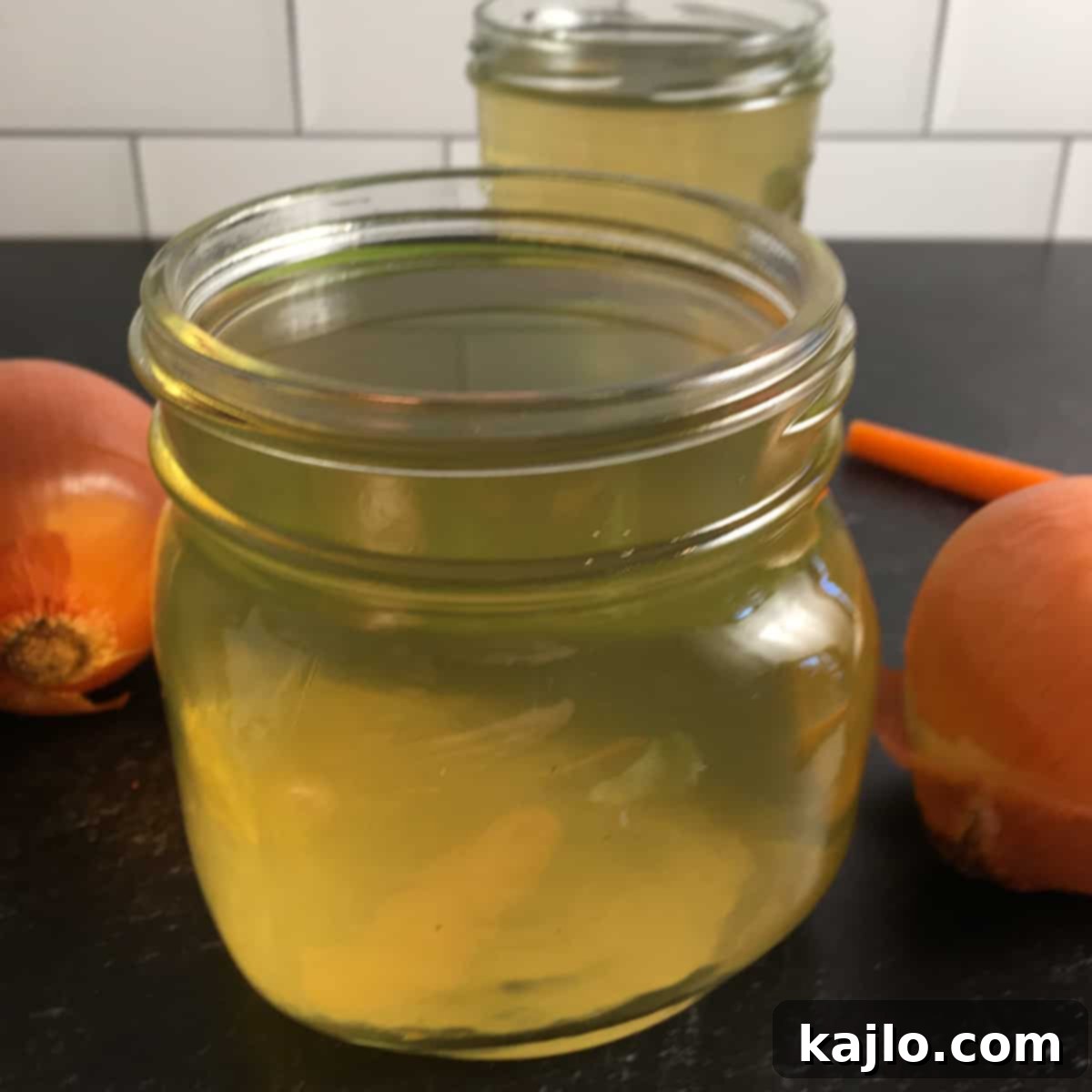
Welcoming Solids: A Comprehensive Guide to Homemade Vegetable Broth for Babies
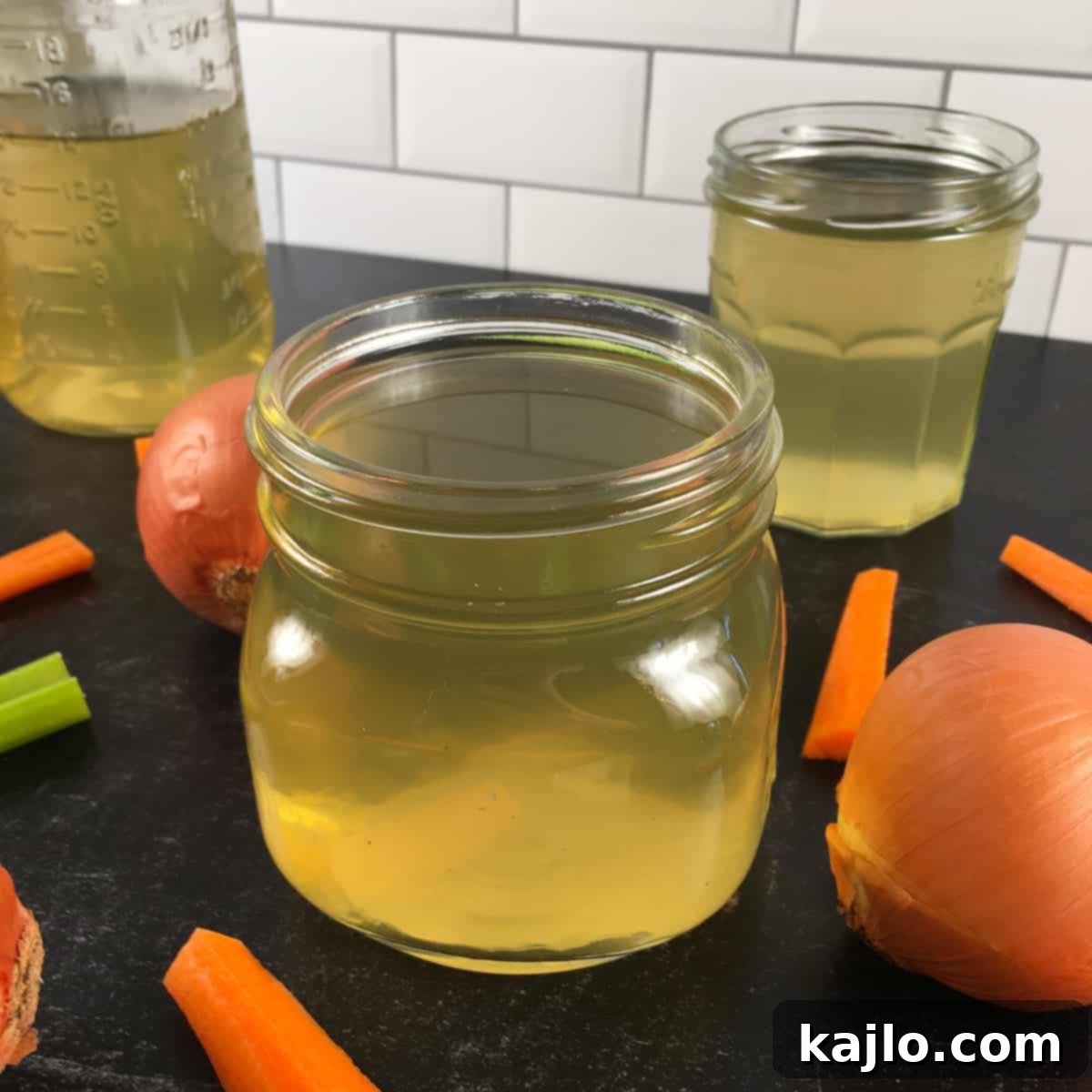
As parents embark on the exciting journey of introducing solid foods, a common question arises: “Can babies have vegetable broth?” The answer is a resounding yes! Incorporating baby vegetable stock into your little one’s diet can be a wonderful part of baby-led weaning or traditional spoon-feeding. This comprehensive guide will teach you how to make vegetable stock for babies and children, highlighting the best vegetables for a flavorful and nutritious stock. We’ll cover when it’s safe to introduce this healthful liquid into your baby’s diet, ensuring a smooth and enjoyable transition to new flavors. Get ready to love this incredibly easy, healthy, and versatile vegetable stock recipe, perfect for the entire family!
When Can Babies Safely Enjoy Vegetable Stock?
You can introduce this vegetable broth for baby around age 6 months, which typically coincides with the start of introducing solids and finger foods. This period is marked by your baby showing signs of readiness, such as being able to sit upright with good head control and showing interest in food.
It is crucial to understand that while veggie broth offers hydration and flavor, it is not a replacement for breast milk or infant formula. These remain the primary source of nutrition for babies under 12 months. Furthermore, vegetable stock should not displace solid foods in your baby’s diet. This vegetable stock for baby recipe is naturally low in calories. Overconsumption in babies, toddlers, and young children could potentially lead to slowed growth if it takes the place of more energy-dense foods rich in essential nutrients like iron, which is particularly vital for developing infants.
Just as making homemade baby bone broth for chicken stock offers control over ingredients, crafting your own vegetable stock provides similar advantages. Unlike many store-bought options, which often contain excessive sodium and additives, homemade veggie broth keeps the ingredients simple and pure. This recipe is designed as a low salt vegetable stock for baby, making it ideal for infants. However, its natural goodness means everyone in the family can enjoy it. It’s naturally fat-free, low-carb, keto, Paleo, vegan, gluten-free, and vegetarian. For older family members, you can easily add extra seasonings, herbs, and a pinch of salt to enhance the flavor to their preference, after setting aside your baby’s portion.
Exploring the Difference: Veggie Stock vs. Veggie Broth
The terms “stock” and “broth” are frequently used interchangeably in culinary contexts, and for the purposes of this recipe, we will also use them synonymously. Technically, traditional stock is typically made from simmering bones, sometimes with a small amount of meat and vegetables, to extract collagen, minerals, and deep flavors. Broth, on the other hand, is usually made by simmering meat and/or vegetables in water, often for a shorter period, resulting in a lighter liquid intended for drinking or as a base for soups. When it comes to vegetable stock or broth, the distinction largely fades, as no bones are involved. Therefore, homemade vegetable stock and vegetable broth for babies are essentially the same thing – a flavorful, nutrient-infused liquid derived solely from vegetables and water.
Key Benefits of Homemade Baby Vegetable Stock
Why go the extra mile to make baby vegetable stock from scratch? Here are some significant advantages of incorporating this simple yet powerful recipe into your baby’s diet:
- Unsalted & Pure: The primary benefit is complete control over ingredients. Most commercial vegetable broths are high in sodium, making them inappropriate for infants whose kidneys are not yet fully developed to handle large amounts of salt. This homemade veggie stock contains no added salt and is free from artificial additives, preservatives, or sugars often found in store-bought versions. This also makes it an excellent soup base for anyone on a low-sodium diet, not just babies.
- Economical & Waste-Reducing: Making your own DIY baby stock is an incredibly smart way to maximize your grocery budget. It’s perfect for utilizing vegetable trimmings (like onion skins, carrot peels, and celery ends) or vegetables that are slightly past their prime but still good. This reduces food waste and helps stretch your food dollars, making homemade baby food a cost-effective choice.
- Introduces New Flavors & Palate Development: A medley of carefully chosen vegetables in your stock can gently introduce your baby to a wide spectrum of natural flavors. This early exposure to diverse tastes is crucial for palate development and can encourage acceptance of a broader range of foods as they grow.
- Excellent Hydration: While vegetable broth provides trace amounts of vitamins, minerals, and phytonutrients, its main advantage for babies is its hydrating quality. As babies start solids, they need more fluids beyond breast milk or formula. Veggie broth can serve as a flavorful and healthy alternative to plain water, especially during hot weather or when recovering from mild illness.
- Time-Saving & Hands-Off Preparation: For busy parents, this recipe is a lifesaver. After a minimal amount of chopping, the cooking process is almost entirely hands-off. Whether you choose the stovetop, slow cooker, or Instant Pot, the broth simmers gently, allowing you to attend to other tasks. It’s simple to prepare and yields a generous batch.
- Versatile Flavor Base: Beyond being a hydrating drink for babies, leftover vegetable stock is a truly wonderful flavor enhancer for countless family dishes. Use it to cook grains like rice or quinoa, braise vegetables, or as a base for adult soups, stews, and sauces. It imparts a depth of flavor that cooking with plain water simply cannot match, elevating everyday meals.
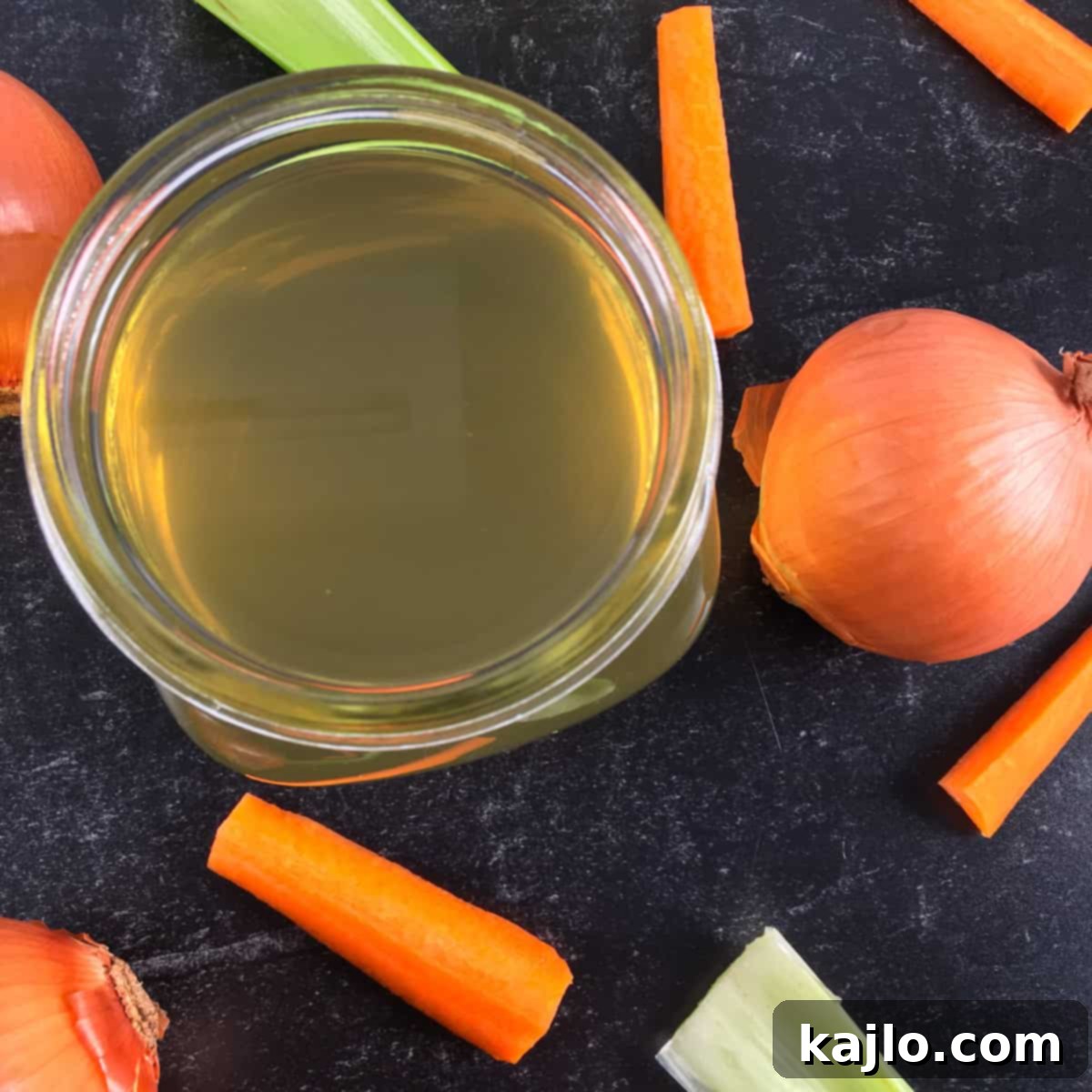
Choosing the Best First Vegetables for Baby Stock
When preparing baby vegetable stock, it’s wise to keep the ingredients simple, especially if your baby is trying these vegetables for the first time. A streamlined ingredient list helps you more easily identify any potential food intolerances or allergies. Here’s a foundational and safe shopping list for your baby’s first veggie broth:
- 2 Medium Onions: Provide a sweet, aromatic base and depth of flavor.
- 3 Medium Carrots: Add natural sweetness and a beautiful color, rich in beta-carotene.
- 3 Celery Ribs: Contribute a subtle savory, earthy note to the broth.
- ¼ Cup Fresh Parsley: Adds a fresh, herbaceous aroma and mild flavor.
- 8 Cups Water: The essential liquid base.
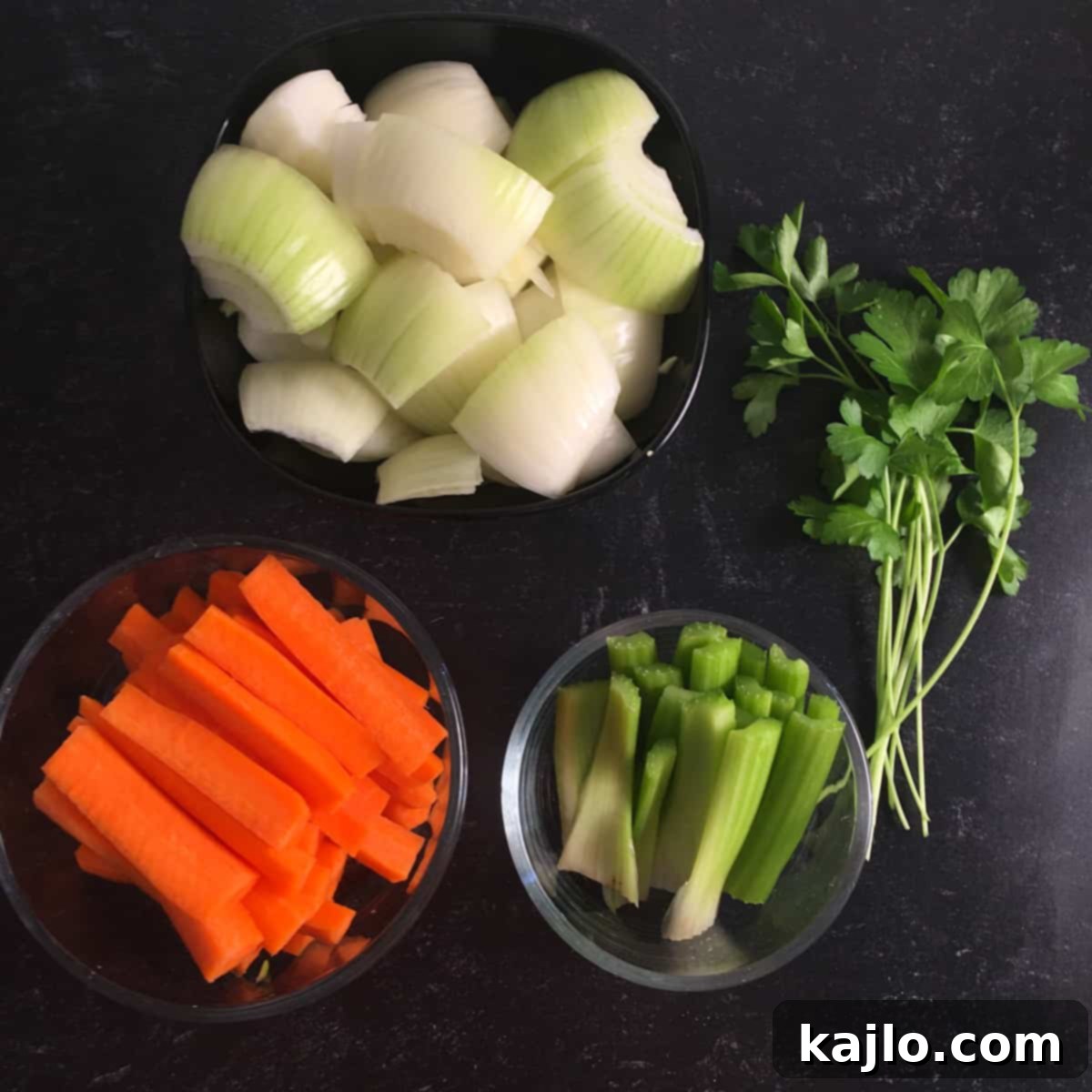
Beyond these foundational ingredients, other excellent and safe options for healthy baby broth ingredients include leeks (ensure they are thoroughly washed) and sweet bell peppers (mild colors like yellow or orange are often sweeter). While organic vegetables are always a good choice if your budget allows, they are not a strict requirement for making a nutritious and safe broth. Focus more on variety and freshness.
It’s perfectly acceptable to use vegetables that are slightly wilted or have minor bruises for your stock, as their flavors will still infuse beautifully into the liquid. However, always exercise caution and immediately discard any vegetables showing signs of mold, as these can make your baby sick.
As your baby grows and is introduced to a wider range of solid foods, you can gradually expand the flavor profile of your stock. Feel free to experiment with additional mild herbs like a sprig of thyme or a bay leaf, or other gentle vegetables such as zucchini or green beans. When making a batch for the whole family, remember to add salt and stronger seasonings *after* you have removed your baby’s portion to ensure their serving remains unsalted.
For a clear and mild-tasting broth, I generally advise against using very starchy vegetables like sweet potatoes or potatoes, as they can make the broth cloudy and sometimes slightly thick. Similarly, strong-tasting cruciferous vegetables such as cabbage, broccoli, or cauliflower are best avoided in baby stock. Their intense flavors can be overwhelming for a baby’s developing palate, and they can also produce an unpleasant aroma during cooking. (Trust me, I once made the mistake of making a cabbage broth, and the lingering smell was truly something else! Consider yourself warned.)
Essential Equipment for Making Baby Veggie Stock
Gathering the right kitchen tools will make the process of crafting your nutritious baby broth even smoother:
- Sharp Knife: For efficient and safe vegetable preparation.
- Vegetable Peeler: To easily remove skins from carrots and other root vegetables.
- Crock Pot, Instant Pot, OR Large Stockpot: Your choice of cooking vessel. A large pot is suitable for stovetop cooking, while a crock pot or Instant Pot offers hands-free convenience.
- Cheesecloth: Essential for fine straining to achieve a clear broth.
- Colander: To hold the cheesecloth and separate solids from the liquid.
When selecting your cooking pot, consider its capacity. I personally use an oval slow cooker with a 7-quart capacity and a 6-quart Crock-Pot Express programmable multi-cooker, which are ideal for the quantity in this recipe. If your slow cooker or Instant Pot has a smaller capacity, you might need to adjust the recipe to make a smaller batch of vegetable stock.
Cheesecloth is an invaluable tool for ensuring your broth is perfectly clear and free of small vegetable bits. I recommend using a high-quality, reusable cheesecloth, such as Olicity Cheesecloth, which can be washed and reused multiple times without falling apart, offering long-lasting utility.
How to Make Homemade Vegetable Broth for Baby
Preparing this wholesome vegetable broth is straightforward. Follow these simple steps to create a nourishing liquid for your little one:
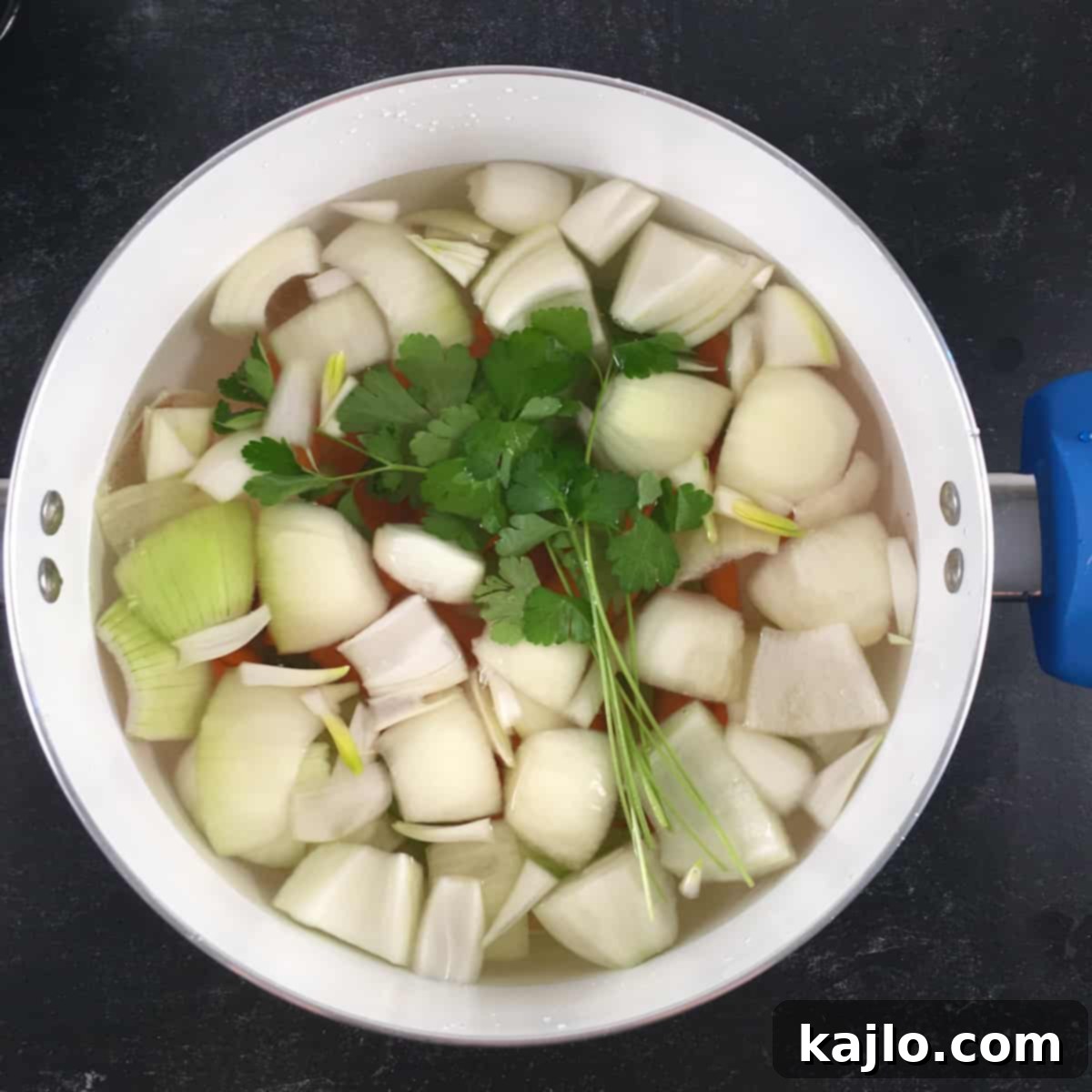
- Prepare the Vegetables: Start by peeling the onions, then chop them into eighths. Next, peel the carrots, quarter them lengthwise, and then chop them into thirds. Halve the celery stalks lengthwise and chop them into thirds. This size allows for maximum flavor extraction during simmering.
- Combine Ingredients: Place all the prepared onions, carrots, celery, fresh parsley, and 8 cups of water into your chosen cooking pot (whether it’s a large stockpot, crock pot, or Instant Pot).
- Begin Cooking: Now it’s time to cook and allow the flavors to meld!
Optimal Cooking Time and Temperature for Baby Vegetable Stock
The cooking method you choose will dictate the duration needed to extract the rich flavors from your vegetables:
- Stovetop Method: To make a quicker baby vegetable broth, simmer it for 60-90 minutes on the stovetop over medium-low heat. Keep the pot partially covered to prevent excessive evaporation, and adjust the temperature as needed to maintain a gentle simmer.
- Slow Cooker Method: For a more hands-off approach, cook the veggie broth on the high setting for 4 hours, or opt for the low setting for 8 hours. Both a traditional crock pot and the slow cooker function of an Instant Pot work perfectly for this method.
The beauty of making your own homemade veggie broth for babies is the flexibility to tailor it precisely to your preferences. You can control the strength of the flavor by adjusting the cooking time and the amount of water used. If you find the veggie broth to be slightly bitter, consider shifting the types of vegetables you use (e.g., more carrots for sweetness) or shortening the cooking time. For a stronger, more concentrated broth, use slightly less water and extend the simmering time.
Once cooking is complete, it’s time to strain the broth. Place a colander over a large heat-safe bowl. Line the colander with a double layer of cheesecloth to catch all the fine particles. Carefully pour the baby veg broth through the cheesecloth, allowing the liquid to collect in the bowl below. The cooked vegetables can either be discarded or enjoyed by older family members. The strained broth is now ready for storage.
Storing Your Homemade Vegetable Broth Safely
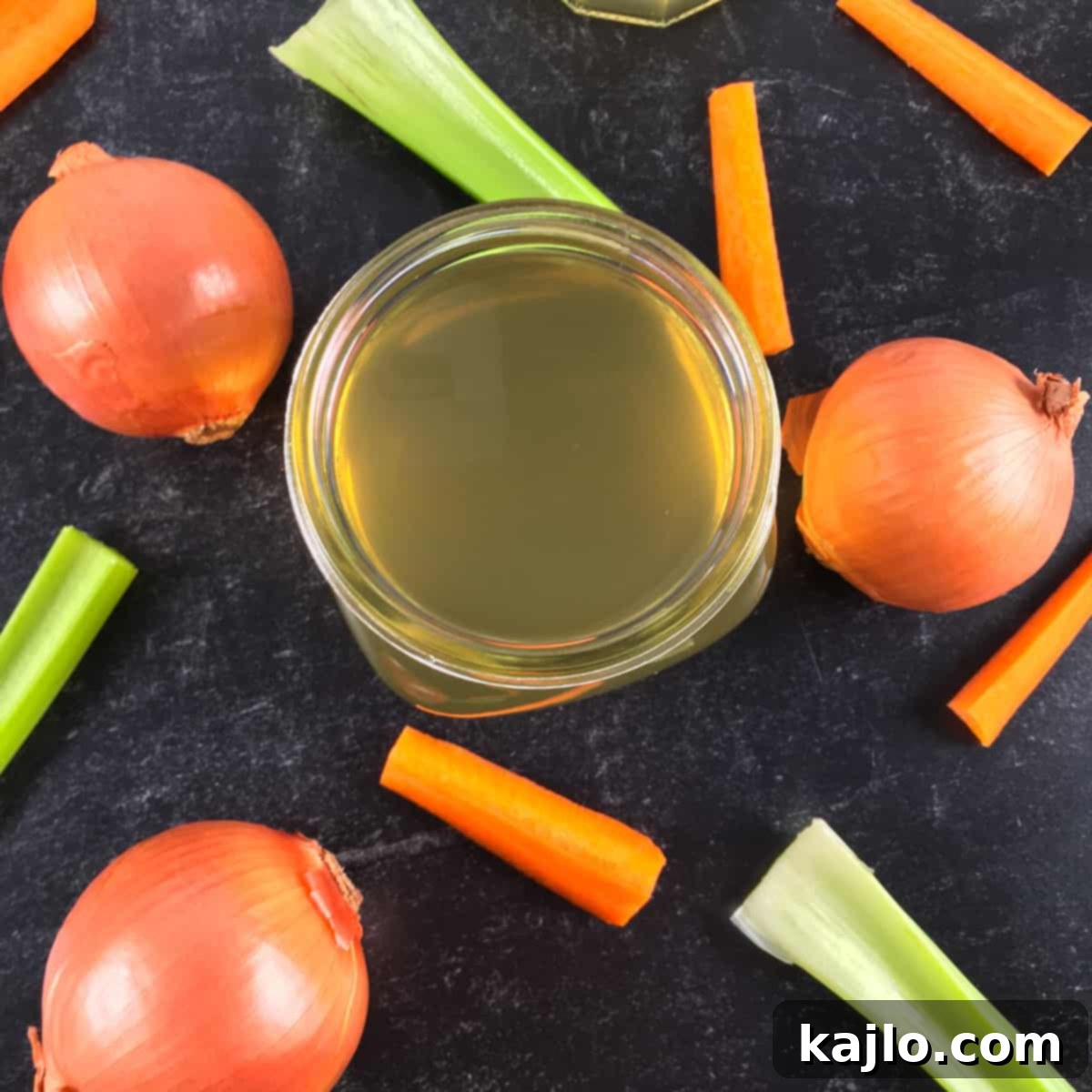
Proper storage is essential to keep your homemade vegetable stock fresh and safe for your baby. Leftover veggie broth can be kept in airtight glass mason jars or lidded food storage containers in the refrigerator for 3-4 days. For longer-term storage, freezing is an excellent option. Pour the cooled broth into ice cube trays or cocktail cube trays. Once frozen solid, transfer the broth cubes to freezer-safe bags or containers. This method allows you to easily portion out small amounts as needed, which is particularly convenient for baby servings. Frozen broth can be safely stored for 2-3 months.
Transforming Broth into Vegetable Soup for Babies
This versatile vegetable broth can easily be transformed into a wholesome baby vegetable soup. After cooking and straining the broth, you can choose to reserve some of the cooked vegetables (or add fresh, steamed ones). Simply combine the broth with the cooked vegetables in a food processor or blender and process until you achieve a smooth puree. This provides a thicker, more textured meal that still benefits from the nourishing properties of the broth. For older members of the family, add desired seasonings like salt, pepper, or herbs after pureeing their portion.
Nutrition Profile of Homemade Veggie Stock
Understanding the nutritional content helps you integrate vegetable stock thoughtfully into your baby’s diet. One cup of unsalted homemade veggie stock typically contains approximately 25 calories, 5 grams of net carbohydrates, and 0.5 grams of protein. Please note that this nutrition information is an estimate based on an adult serving and can vary depending on the specific vegetables used, their quantity, and the cooking duration. For babies, only a small taste is recommended, as it is a low-calorie addition and not a primary source of macronutrients like protein and fat, which are crucial for rapid infant growth.
Frequently Asked Questions (FAQs) About Baby Vegetable Broth
At what age can I give my baby vegetable stock?
Babies can typically have a small taste of homemade, no-salt vegetable stock once they begin consuming solid baby food, usually around 6 months of age. It’s important to reiterate that baby vegetable stock serves as a flavorful liquid or a base for other foods, not a nutritional replacement for breastmilk, baby formula, or solid food. Always consult with your pediatrician before introducing new foods to your baby’s diet.
Does homemade vegetable broth expire?
Yes, homemade vegetable broth does expire. According to FoodSafety.gov guidelines, homemade broth will safely keep for 3-4 days when stored in an airtight container in the refrigerator. For longer storage, it can be frozen for 2-3 months. Store-bought broth in shelf-stable packaging can be kept unopened in the pantry until its “use-by” date. Once opened, refrigerate commercial broths and use within 3-4 days.
Are there any healthy vegetable stock cubes or bouillon for babies?
Unfortunately, there are no commercially available baby stock cubes or baby Oxo cubes that are truly suitable for infants. Even products marketed as “low sodium vegetable stock cubes” often contain surprisingly high levels of salt. For instance, many list salt as their primary ingredient. While Knorr in the UK sells “zero salt” veggie stock cubes, these are often highly processed and may contain other additives not ideal for babies. For the safest and healthiest option, homemade is always best to ensure absolutely no added salt or unnecessary ingredients.
What is the best vegetable stock to buy for babies if I can’t make it myself?
If homemade isn’t an option, the best vegetable stock to buy for babies would be one with the simplest ingredient list: ideally just vegetables and water, with absolutely no added salt, sugar, or artificial flavors/preservatives. Reading labels carefully is crucial. There are some “no salt added” vegetable broths available, such as this no salt added vegetable broth, which may be appropriate for older babies and toddlers, but always check the full ingredient list and consult your pediatrician.
Can you cook baby food with stock?
Absolutely! Using vegetable stock as a cooking liquid is an excellent way to add flavor and some nutrients to purees and other foods for babies and toddlers. Instead of plain water, use your homemade, no-salt version of stock to cook grains, steam vegetables, or thin out purees. This enhances the taste and makes meals more appealing to little ones, encouraging them to try new foods. Always ensure the stock you use is a no-salt, homemade version, rather than a potentially high-sodium store-bought variety.
Delicious Recipes for the Family Using Leftover Vegetable Stock
Don’t let any extra baby veg stock go to waste! This flavorful liquid is a fantastic base for a variety of dishes for the older members of your family. Here are a few ideas to inspire you:
- Hearty Black Bean Soup: Use the stock as a base for a rich and comforting soup.
- Flavorful Grains: Cook rice, quinoa, or couscous in vegetable stock instead of water for an extra layer of taste in salads or side dishes like a Wildflower Bread Chopped Salad copycat.
- Savory Baked Oatmeal: While unusual, vegetable stock can add a unique savory depth to baked oatmeal, especially when combined with other vegetables and herbs for a hearty breakfast or brunch.
- Sautéing and Braising: Use stock to sauté vegetables or braise meats for added moisture and flavor without extra oil.
- Sauces and Gravies: A perfect low-calorie, high-flavor base for homemade sauces and gravies.
Baby Vegetable Stock (Homemade Veggie Broth for Babies)
A simple, wholesome, and unsalted vegetable stock recipe perfect for babies starting solids and the whole family.
Author: Summer Yule
Course: Side Dish, Hydration
Cuisine: American
Prep Time: 15 mins
Cook Time: 1 hr (Stovetop) / 4-8 hrs (Slow Cooker)
Total Time: 1 hr 15 mins (Stovetop)
Servings: 6 servings (adult portions; babies will have small tastes)
Calories: 25 kcal per cup
Ingredients
- 2 medium onions
- 3 medium carrots
- 3 ribs celery
- ¼ cup fresh parsley
- 8 cups water
Instructions
- Peel the onions and chop them into eighths. Peel the carrots, quarter them, and chop into thirds. Halve the celery stalks lengthwise and chop them into thirds.
- Combine the chopped onions, carrots, celery, parsley, and water in your chosen cooking vessel (pot, crock pot, or Instant Pot).
- Stovetop Method: Simmer the vegetable broth for 60-90 minutes over medium-low heat, keeping the pot partially covered. Adjust heat as needed to maintain a gentle simmer.
- Slow Cooker Method: Cook on the high setting for 4 hours, or on the low setting for 8 hours. This works with a regular crock pot or the slow cooker function on an Instant Pot.
- Strain the Broth: Place a colander over a large bowl and line it with a double layer of cheesecloth. Carefully pour the cooked broth through the cheesecloth, allowing the clear liquid to collect in the bowl. Discard the cooked vegetables (or enjoy them separately). The pure, strained broth is now ready to be stored or used.
Equipment
- Knife
- Peeler
- Large Pot, Slow Cooker, or Instant Pot
- Colander
- Cheesecloth
Notes from Dietitian Summer Yule
Expert Tips: This is a foundational recipe. Vegetable stock should not be a baby’s first food due to its low iron and calorie content, which are critical for healthy infant growth. However, it excels in its hydrating abilities and serves as an excellent medium to introduce babies to new vegetable flavors. Always remember, it is never a nutritional replacement for breastmilk or baby formula.
For older family members, this veggie broth is a fantastic, low-calorie way to boost the fluid volume and flavor of meals. Use it as your secret ingredient in soups, stews, casseroles, and sauces to add an extra layer of deliciousness.
Nutrition Information: The nutrition facts provided are for one cup of unsalted vegetable broth and are an estimate. Actual values may vary based on specific ingredients and preparation. The serving size listed is for an adult; babies should only consume a small taste of this broth.
Keywords: baby vegetable broth, baby vegetable stock, baby vegetable stock recipe, baby veggie broth, baby veggie stock, vegetable broth for babies, vegetable broth for baby, vegetable stock, vegetable stock for babies, vegetable stock for baby, no-salt vegetable stock, homemade veggie broth for babies, best vegetable stock for infants, when can baby have vegetable broth, simple baby food recipes, healthy baby broth ingredients, making vegetable stock for toddlers, DIY baby stock, nutritious baby broth, baby-led weaning vegetable broth
Important Nutrition Information Disclaimer
All recipes presented on this website are for informational purposes. Their suitability for you may vary depending on your individual medical needs, dietary restrictions, and personal preferences. It is always recommended to consult with a registered dietitian or your physician to determine the most appropriate dietary patterns for your specific health requirements.
The nutrition information provided is an estimated courtesy. It can fluctuate significantly based on the specific brands of ingredients used and variations in preparation. Please also be aware that calorie information on food labels can sometimes be inaccurate; therefore, it’s best not to overly scrutinize the numbers.
“To taste” refers to adjusting seasonings according to your personal preferences, which, for food safety, may require visual cues rather than actual tasting, especially for uncooked ingredients. Please ensure all foods are cooked to appropriate safe temperatures. Your health and safety are paramount.
Nutrition
Calories:
25
kcal
Carbohydrates:
5
g
Protein:
0.5
g
Join our thriving community! Subscribe for all of the latest and greatest recipes, and connect with me on Facebook, Pinterest, Instagram, and YouTube!