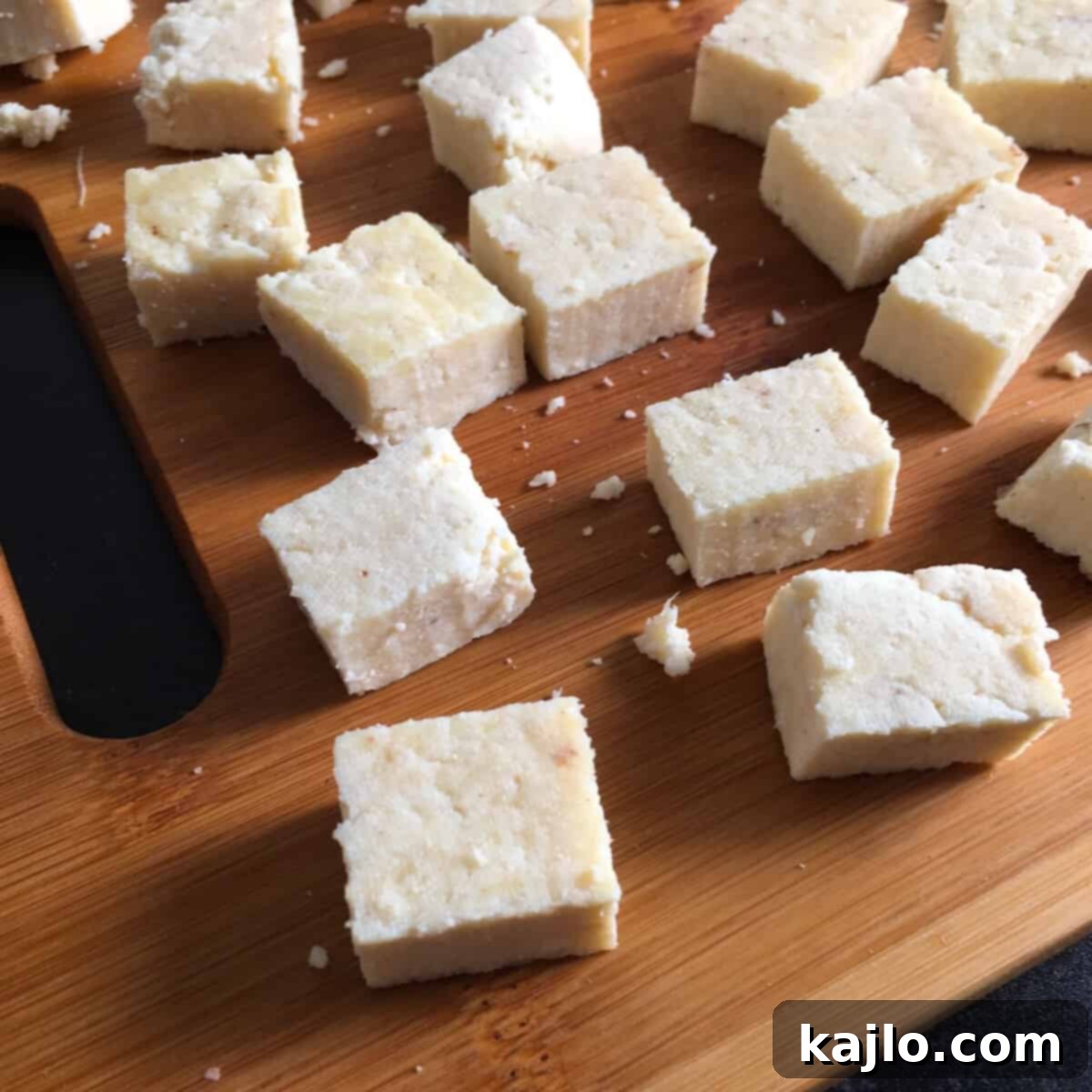
Unlock the secrets to crafting your own homemade Instant Pot paneer, the fresh Indian cottage cheese that’s celebrated for its firm texture and incredible versatility! Making paneer in a pressure cooker is a surprisingly simple and hands-off process, yielding perfect, non-melting cubes ready for all your favorite Indian dishes. This recipe isn’t just easy; it’s also low-carb, keto-friendly, gluten-free, and vegetarian, catering to a wide range of dietary needs.
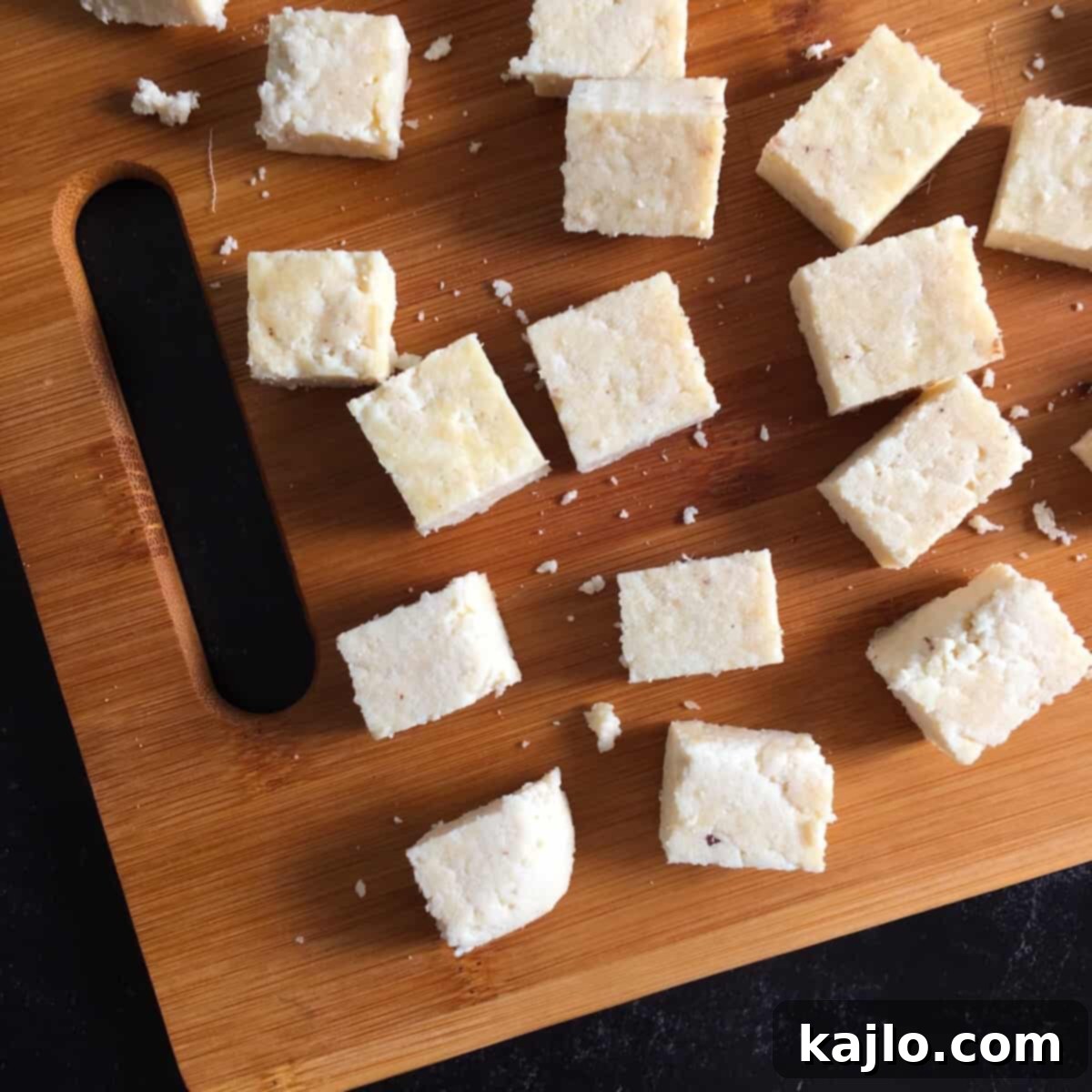
Today, we’ll dive deep into the art of making fresh paneer at home. While there are several methods, including stovetop and using your Instant Pot’s yogurt function, I firmly believe that the pressure cooker paneer method is the absolute best. It’s efficient, requires minimal attention, and consistently produces excellent results.
If you’ve ever experimented with making homemade ricotta or cottage cheese, you’ll find the process for paneer remarkably similar. In fact, many homemade “ricotta” recipes, if made directly from milk and an acid (rather than true ricotta’s whey base), are technically producing paneer. Traditional ricotta is derived from the whey leftover after cheesemaking, typically involving rennet or lactic acid. However, since most home cooks don’t have this specific type of leftover whey, using whole milk and an acid to create curds results in a delicious, fresh cheese that is, by definition, paneer.
For this particular recipe, we’ll be using fresh lemon juice as our curdling agent instead of white vinegar. Lemon juice imparts a wonderfully mild flavor to the paneer, ensuring no sharp vinegar aftertaste whatsoever. However, the curds formed with lemon juice tend to be softer, which means proper pressing is crucial to achieve a firm block that holds its shape when cubed. Don’t worry, I’ve got all the expert tips below to guide you through achieving perfectly pressed paneer!
⭐ The Remarkable Benefits of Making Paneer in an Instant Pot
Why should you consider making paneer in an Instant Pot? Beyond the sheer joy of creating something delicious from scratch, this method offers numerous advantages:
- Truly Hands-Off Preparation: The Instant Pot transforms paneer making into a “dump and go” affair. Forget about constantly monitoring milk temperatures with a kitchen thermometer or fussing over stovetop heating. Simply combine your ingredients, set the pressure cooker, and let it work its magic. It’s an incredibly easy and lazy one-pot recipe perfect for busy schedules.
- High-Quality Vegetarian Protein Source: Paneer is an exceptional dairy product that offers a significant amount of high-quality vegetarian protein. According to nutritional analysis, a standard 2-ounce serving of paneer can provide approximately 12 grams of protein. If you’re looking to boost your protein intake while managing calories, consider using lower-fat milk varieties to create a more protein-dense paneer.
- Rich in Essential Nutrients: Beyond protein, paneer is a powerhouse of vital nutrients. It’s an excellent source of minerals crucial for robust bone health, such as calcium and phosphorus. Additionally, it provides a good dose of riboflavin and vitamin A, contributing to overall well-being.
- Accommodates Special Diets: One of paneer’s greatest strengths is its compatibility with various dietary lifestyles. It is naturally low-carb, making it ideal for keto diets, completely gluten-free, and, of course, a staple for vegetarian meals. This makes it a fantastic ingredient for inclusive cooking.
- Universally Delicious and Kid-Friendly: Paneer boasts a mild, creamy flavor that makes it incredibly appealing, even to the pickiest eaters. Its neutral taste acts as a canvas, absorbing the flavors of any dish it’s added to, ensuring it’s a delightful addition to family meals.
🥘 Essential Instant Pot Paneer Ingredients
You’ll be delighted to know that making paneer in your Instant Pot requires just two simple ingredients! Here’s what you’ll need for your shopping list:
- Dairy Milk: The foundation of your paneer.
- Freshly Squeezed Lemon Juice: Your natural curdling agent for a mild, delicious flavor.
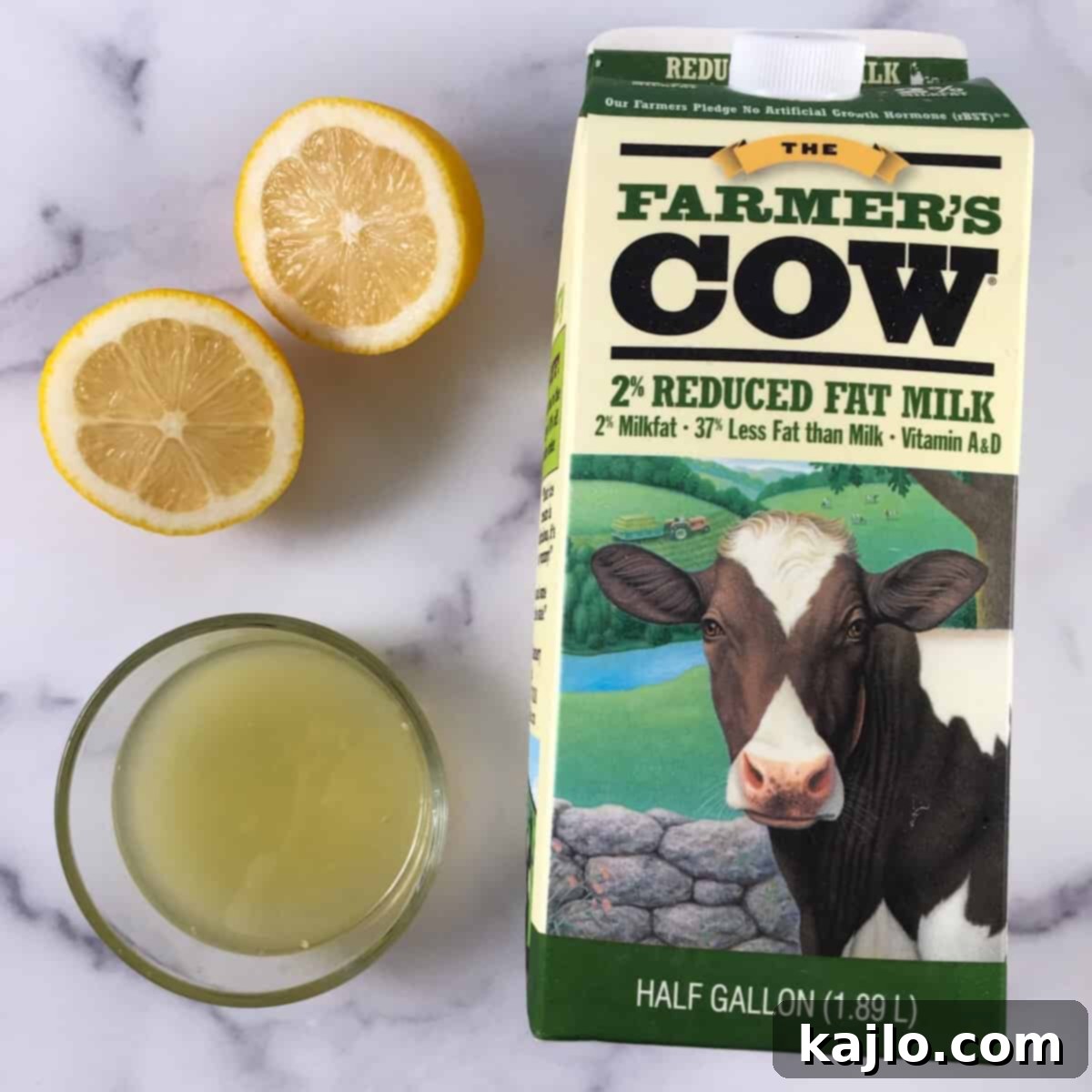
While the precise quantities will be detailed in the recipe card at the end of this article, let’s discuss milk choices. I’ve successfully made paneer with whole milk, 2% milk, and even skim milk. Some recipes also suggest using half-and-half or cream for an extra rich result. Generally, higher-fat milk options tend to yield more paneer. You might notice slight variations in yield between batches and across different cooking methods, with the pressure cooker method sometimes resulting in a slightly lower yield. However, the sheer convenience of the Instant Pot often outweighs this minor difference.
A note on milk: Some sources suggest that UHT (Ultra-High Temperature) milk might not curdle as effectively for paneer. It’s something to keep in mind if you experience issues. Also, for this recipe, I strongly advise against using plant-based milk alternatives. Soy milk, when curdled, essentially becomes tofu, and almond or oat milk would require additional thickeners to form a solid block. Stick to dairy milk for authentic paneer.
Lastly, for the best possible flavor, always opt for freshly squeezed lemon juice. Bottled lemon juice often contains preservatives and lacks the vibrant, fresh taste that truly elevates homemade paneer.
🍽 Kitchen Equipment You’ll Need
Here’s the essential kitchen equipment to ensure your homemade Instant Pot paneer-making process is smooth and successful:
- Instant Pot: The star of our show, any model will work.
- Manual Lemon Squeezer: For fresh, efficient juice extraction.
- Cheesecloth: Crucial for separating curds from whey and for pressing.
- Colander: To hold the cheesecloth and facilitate draining.
- Tofu Press (Recommended): The secret to perfectly firm paneer.
- Wooden Spoon: Essential for stirring within the Instant Pot without causing damage.
- Candy Thermometer: Only needed for the yogurt setting/stovetop method, not for pressure cooking.
I personally use a Crock-Pot Express 6-Quart Pressure Cooker, but any Instant Pot or Ninja Foodi will perform admirably. If your pressure cooker is exceptionally small, you might need to scale the recipe down or work in batches.
When it comes to cheesecloth, I highly recommend investing in Olicity Cheesecloth. It’s durable, washable, and reusable, making it a more economical and environmentally friendly choice than flimsy, single-use varieties.
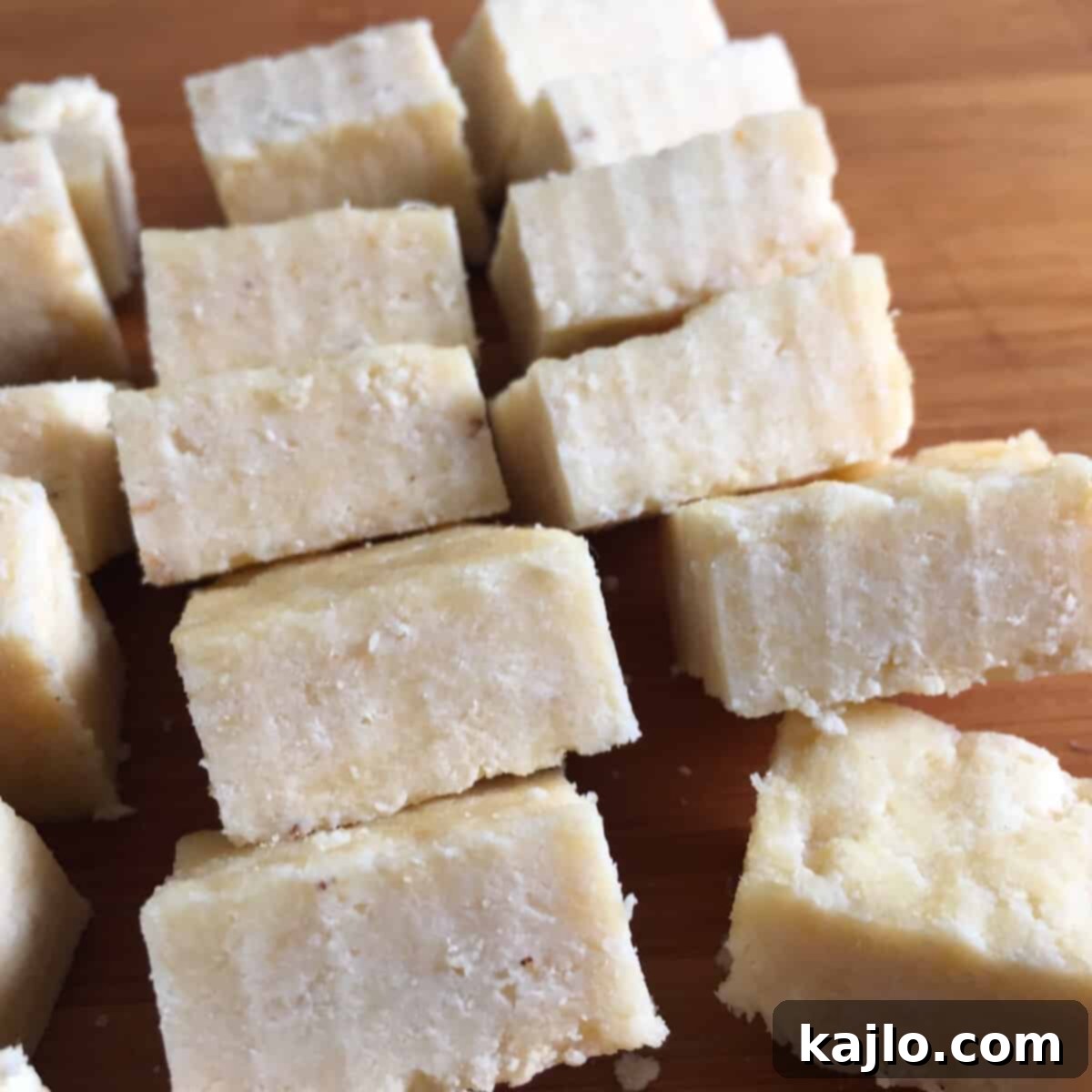
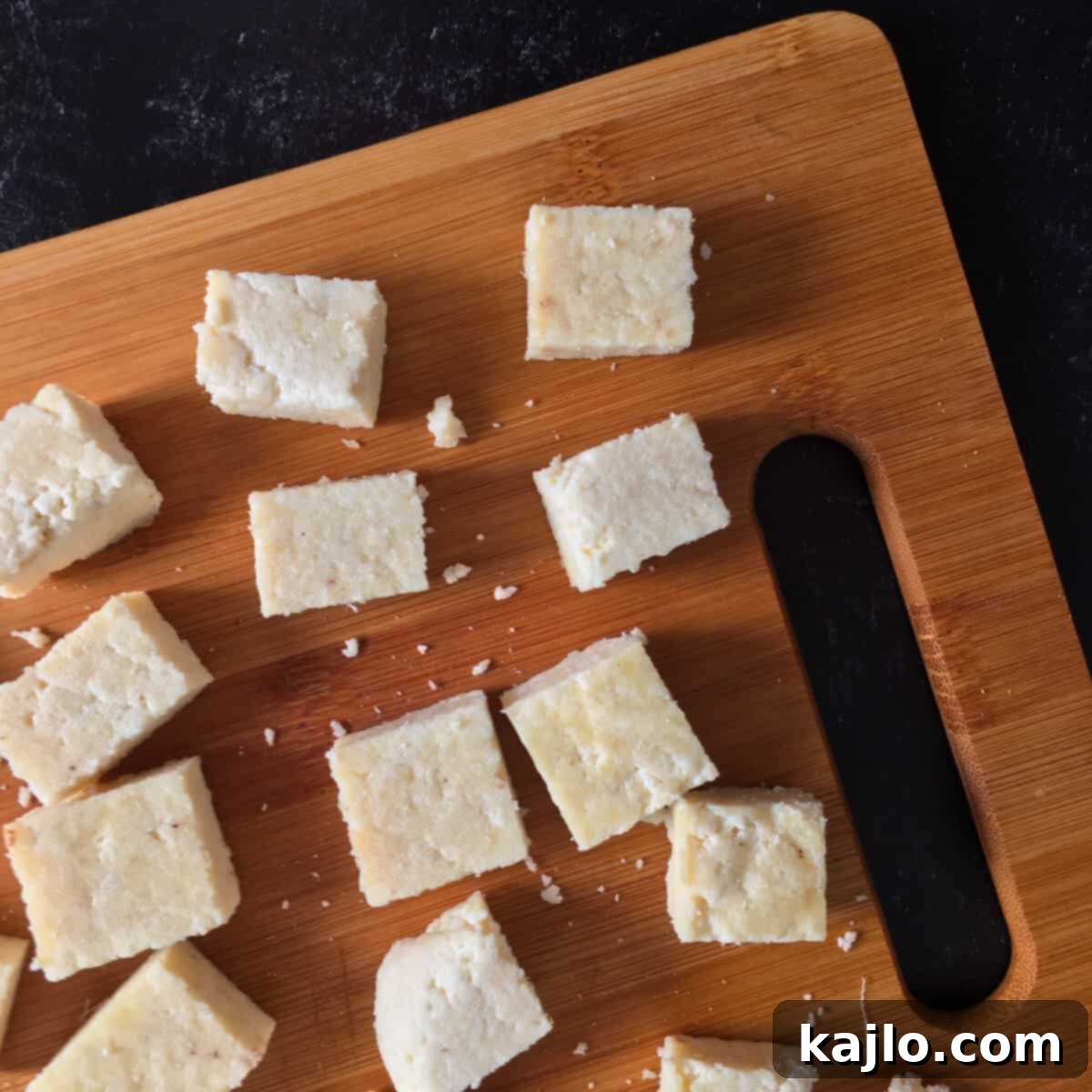
Initially, I struggled to achieve firm, perfectly cubed paneer using a traditional cheese press. My paneer would often be a bit crumbly. That all changed when I discovered that a good tofu press is, in fact, the best paneer press! This particular tofu press is an absolute game-changer. I also use it for my crispy air fryer tofu recipe, and it works equally brilliantly for pressing paneer. Just look at those neat, pristine paneer cubes in the photos – perfection!
A crucial tip for Instant Pot users: always use a wooden spoon or a silicone utensil when stirring inside the pot. Metal utensils can easily scratch the non-stick coating, potentially damaging your appliance. Learn from my mistake – protect your Instant Pot!
🔪 Master the Art of Making Paneer in the Instant Pot (Pressure Cooker Method)
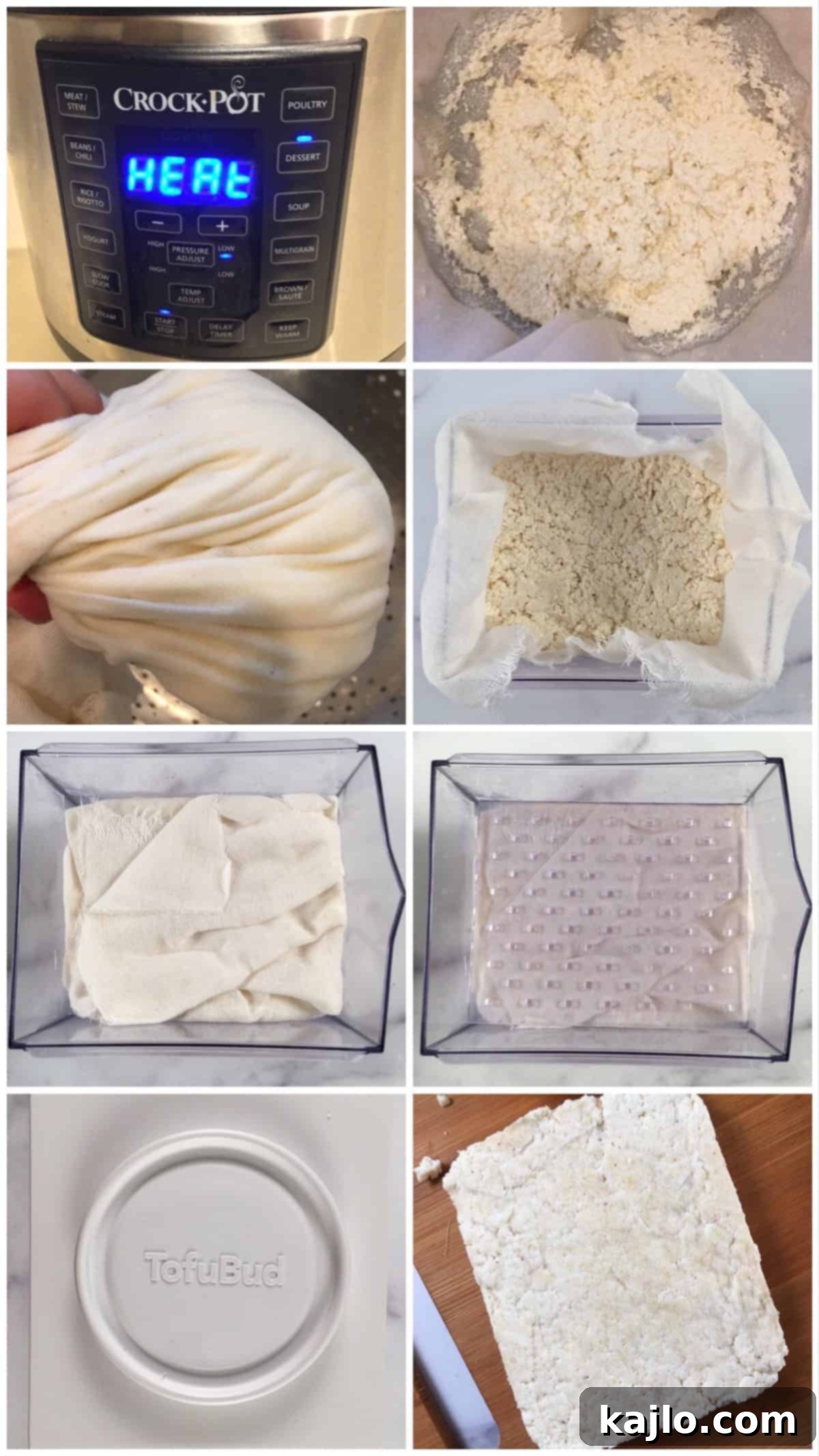
The pressure cooker method for homemade paneer is incredibly straightforward, making it a favorite for its ease and consistent results. Here’s how to do it:
- Combine Ingredients: Pour the dairy milk and freshly squeezed lemon juice directly into the Instant Pot’s inner pot. Give it a gentle stir to combine.
- Seal and Pressure Cook: Secure the lid on your Instant Pot, ensuring the venting knob is in the sealed position. Now, set your Instant Pot to pressure cook.
- Cooking Time: Pressure cook your paneer for 5 minutes using the “desserts” setting under low pressure. While 3-4 minutes might be ideal for slightly softer curds, many pressure cookers (including mine) have a minimum setting of 5 minutes. Rest assured, the results with 5 minutes at low pressure are still fantastic.
- Natural Release: Once the cooking cycle is complete, allow the pressure to release naturally for 15 minutes. This natural release time is essential for the curds to fully separate and firm up. After 15 minutes, carefully open the vent on the lid to release any remaining pressure before opening the lid.
- Important Tip: Do Not Stir! After the cooking and pressure release, resist the urge to stir or scrape the cheese curds from the bottom of the Instant Pot immediately. Some milk might have browned slightly at the bottom, and you don’t want that incorporated into your pristine paneer.
- Drain the Whey: Carefully pour the milk mixture into a large colander that you’ve lined with four layers of cheesecloth. The yellowish whey will drain through, leaving the white curds behind. If any curds are stuck to the bottom of your Instant Pot, you can gently release them with a wooden spoon after pouring out most of the liquid.
- Prepare for Pressing: Gather the edges of the cheesecloth around the curds and twist it into a ball, gently squeezing to release any excess liquid.
- Press the Paneer: Transfer the cheese curds into your cheesecloth-lined tofu press, spreading them into a compact, even layer. Cover the curds with more cheesecloth, then place the lid on your tofu press and follow its instructions for pressing.
- Pressing Time: Press the paneer for 30-60 minutes. The longer you press, the firmer your paneer will be.
- Chill and Cube: Once pressed, remove the paneer from the press and gently unwrap it from the cheesecloth. Refrigerate the block of paneer for several hours (at least 2-3 hours) to allow it to firm up completely before cutting it into neat cubes. This chilling step is crucial for preventing crumbly paneer.
️⏲️ How to Make Paneer Using the Instant Pot Yogurt Maker Setting (or Stovetop)
If you prefer a method that offers more control over the milk temperature, the Instant Pot’s yogurt setting (or a stovetop pot) is an excellent alternative:
- Heat the Milk: Pour the milk into your Instant Pot’s inner pot. Set the Instant Pot to the “Yogurt” function on high (keep the lid off). Stir the milk occasionally with a wooden spoon to prevent it from sticking to the bottom of the pot.
- Check Temperature: Once the yogurt cycle finishes, use a candy thermometer to ensure the milk has reached 180°F (82°C). If it hasn’t quite reached this temperature, use the “Sauté” setting on low or medium to bring it up to temperature, stirring constantly.
- Curdling Process: As soon as the milk reaches 180°F (82°C), remove the inner pot from the outer heating vessel. Immediately stir in the lemon juice. You should observe the yellowish whey separating from the white curds almost instantly.
- Cool Down: Allow the curds and whey mixture to cool at room temperature for approximately 30 minutes. This helps the curds to settle and firm up slightly.
- Drain the Curds: Line a colander with four layers of cheesecloth. Place the colander over a large bowl (if you plan to save the whey) or directly in your sink (if discarding it).
- Strain: Carefully pour the cooled curds and whey into the lined colander. Allow it to drain for about 5 minutes. The cheesecloth will capture the curds, while the whey will pass through.
- Squeeze Excess Liquid: Gather the edges of the cheesecloth to form a tight ball of curds. With clean hands, gently squeeze the ball over the sink to expel more whey. If you’re concerned about any lingering lemony taste, you can briefly run the ball under gently flowing cool water and squeeze again.
- Press the Cheese: Unwrap the cheesecloth. Place the curds in an even layer into your cheese press or cheesecloth-lined tofu press. Follow the press instructions.
- Pressing Time: Press for 30-60 minutes, depending on your desired firmness.
- Refrigerate: Remove the paneer from the press and refrigerate it for several hours until it becomes a firm block, ready to be cut and used.
These detailed instructions can also be adapted for making paneer on the stovetop. You’ll need a medium-sized saucepan and a candy thermometer to monitor the milk’s temperature accurately.
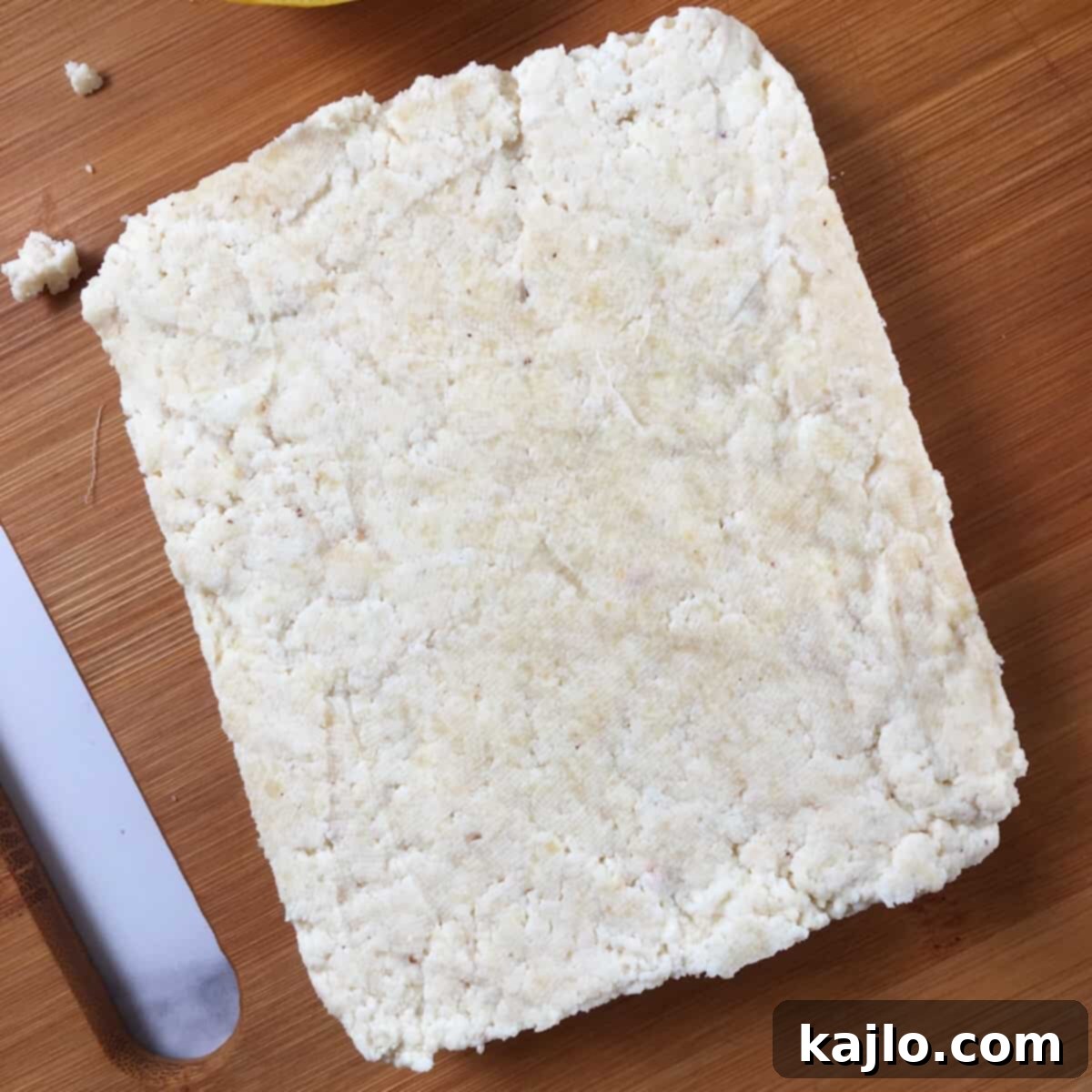
🧀 The Art of Pressing Paneer: Achieving Perfect Firmness
The firmness of your finished paneer is directly proportional to how effectively it is pressed. This critical step removes excess moisture, allowing the cheese to consolidate into a solid block that can be neatly sliced into cubes. My experience with a smaller, traditional cheese press often resulted in a delicious, but somewhat crumbly, paneer. The game-changer for me was discovering that a dedicated tofu press delivers consistently beautiful, firm paneer cubes, as seen in the accompanying photos.
If you’re on a tight budget and don’t have a specialized press, a DIY method can work in a pinch: wrap your cheese curds tightly in several layers of cheesecloth, then place them between two sturdy plates. Weigh down the top plate with heavy items like cookbooks, a cast iron skillet, or cans of food. This method, similar to how I used to press tofu before extra-firm varieties were widely available, is reasonably effective for removing liquid. However, expect your paneer to be a bit more crumbly than what you’d achieve with a proper tofu press, which applies even, consistent pressure.
🌡️ Storing Your Homemade Paneer for Freshness
Proper storage is key to extending the life of your delicious homemade paneer. To keep it fresh, wrap the paneer tightly in plastic wrap or place it in an airtight container. Stored this way, it will remain fresh in your refrigerator for up to 3-4 days.
For longer storage, paneer freezes remarkably well. Simply wrap it securely (you can even cube it first if you prefer) and place it in the freezer. When you’re ready to use it, transfer the frozen paneer to the refrigerator and allow it to thaw completely before incorporating it into your favorite Indian recipes.
🥛 Creative Uses for Paneer Whey
After straining your paneer, you’ll be left with a quantity of yellowish whey. While it’s perfectly fine to discard it, especially since our lemon juice method imparts a strong lemony flavor, you might consider some alternative uses:
- Cooking Grains and Legumes: Use the whey as a liquid base when cooking lentils, rice, or other legumes. It can add a subtle depth of flavor.
- Baking: Incorporate a small amount of whey into doughs that already call for an acid (like vinegar or lemon juice). It’s commonly used in traditional Indian roti or naan recipes, adding moisture and a slight tang.
- Curries: A touch of whey can also be added to curries for a nuanced flavor profile.
🥣 How to Incorporate Paneer into Your Favorite Recipes
The mild flavor of paneer makes it a fantastic blank canvas, ready to absorb the vibrant spices and aromas of countless dishes. It’s truly a star in Indian cuisine, appearing in both savory meals and even some delightful desserts. Here are some popular and incredibly delicious ways to use your freshly made Instant Pot paneer:
- Instant Pot Paneer Biryani: A fragrant rice dish layered with spiced paneer.
- Instant Pot Paneer Korma: A rich, creamy, and mildly spiced paneer curry, perfect with naan.
- Matar Paneer (or Mutter Paneer): A classic dish featuring paneer cubes and green peas in a savory tomato-based sauce.
- Paneer Tikka Masala: A beloved dish where paneer is marinated, grilled (or pan-fried), and then simmered in a creamy, spiced tomato sauce.
And of course, don’t miss my incredibly DELICIOUS Instant Pot Palak Paneer Recipe. This recipe combines tender paneer with a vibrant spinach gravy, enriched with cream and the unique aroma of dried fenugreek leaves (methi). Seriously, if you’ve gone to the effort of making your own paneer, you absolutely must try this dish!
📋 Calories, Net Carbs, and Protein Breakdown
A typical 2-ounce serving (approximately 57 grams) of homemade Instant Pot paneer contains around 209 calories, 1 gram of net carbohydrates, and a robust 12 grams of protein. Please note that these nutritional figures are estimates, sourced from Cronometer, and will naturally vary based on the specific type of milk you use (e.g., whole milk versus reduced-fat varieties) and the exact yield of your batch.
FAQs About Instant Pot Paneer
Why does my homemade paneer sometimes turn out crumbly?
Crumbly paneer is a common issue and usually stems from insufficient pressing. To achieve a firm, sliceable block, it’s crucial to adequately remove excess moisture. Another contributing factor can be not allowing the pressed paneer to chill thoroughly in the refrigerator for several hours before cutting. For the best results, use a high-quality tofu press and always give your paneer ample time to firm up in the fridge after pressing. This ensures a beautifully firm and non-crumbly texture.
Can I easily find paneer in grocery stores in the USA?
While paneer is becoming more popular, it can still be somewhat challenging to locate in standard mainstream supermarkets across the USA. Your best bet is typically Asian grocery stores or international markets that stock Indian ingredients, where you’ll often find paneer in both the refrigerated and frozen sections. If you’re struggling to find it locally, you can also purchase paneer online through Amazon. However, nothing quite compares to the freshness and satisfaction of making this Instant Pot paneer recipe yourself!
Is it possible to make paneer using yogurt instead of lemon juice?
Yes, I’ve heard that plain yogurt can indeed be used as an alternative acid to curdle milk for paneer. I haven’t personally experimented with this method yet, but it sounds like an interesting and worthwhile experiment if you’re looking for an alternative to lemon juice or vinegar. The live cultures and lactic acid in yogurt would likely facilitate the curdling process, potentially imparting a slightly different flavor profile.
How can I make paneer if I only have vinegar on hand?
Making paneer with vinegar is incredibly simple! You can easily substitute the lemon juice in this recipe with an equal amount of white vinegar. The process remains the same. Just be aware that vinegar tends to impart a sharper, more pronounced flavor to the paneer compared to the milder tang of lemon juice. If you prefer a very subtle cheese flavor, lemon juice is generally the preferred choice.
What’s the best vegan substitute for paneer in recipes?
For a fantastic dairy-free and vegan alternative to paneer, look no further than tofu! Cubed extra-firm regular tofu works wonderfully in savory curries and stir-fries, absorbing flavors beautifully. If you’re making a dessert dish that calls for paneer, cubed firm silken tofu can be a great option. Tofu is an excellent plant-based protein source that allows you to easily adapt traditional Indian dishes to be completely vegan without sacrificing texture or substance.
👩🏻🍳 Explore More Instant Pot Recipes
Now that you’ve mastered Instant Pot paneer, why not expand your pressure cooking repertoire? The Instant Pot is incredibly versatile. After making your fresh paneer, give one of these delicious recipes a try:
- Instant Pot Grape Leaves (Dolmas)
- Instant Pot Beef Vegetable Soup
- Pressure Cooker French Fries
- Instant Pot Stir Fry with Chicken
👩🏾🍳 Discover Other Authentic Indian Recipes
If you have a passion for authentic and flavorful Indian cuisine, I’ve got you covered! Here are some more delightful Indian food recipes that you’re sure to enjoy:
- 20 Best Air Fryer Indian Recipes
- Egg Kheema (A Rich Vegetarian Egg Curry)
- Mango Lassi Smoothie (No Added Sugar)
Watch How to Make It!
Instant Pot Paneer Recipe (Pressure Cooker)
Summer Yule
🖨️Print Recipe
📍Pin Recipe
Ingredients
- 2 liters milk (Equals 8 cups. I used 2% milk; whole milk, 1% milk or skim milk may be used.)
- 6 tablespoons lemon juice, fresh squeezed
Instructions
How to Make Pressure Cooker Paneer:
- Put the milk and lemon juice in your Instant Pot and give it a stir. Put the lid on the Instant Pot and close the vent.
- Pressure cook paneer for 5 minutes using the “desserts” setting under low pressure. Allow the pressure to release naturally for 15 minutes before carefully opening the vent on the lid.
- Hot tip! DON’T stir or scrape the cheese curds out of the Instant Pot after cooking. Some milk may have browned at the bottom of the pot and you don’t want that in your finished paneer.
- Carefully pour the milk mixture into a large colander lined with four layers of cheesecloth. If some white curds are stuck to the pot, you can gently release them with a wooden spoon after pouring the liquid out.
- Bring the edges of the cheesecloth together and twist it into a ball, squeezing more liquid from the cheese curds. Next, spread the cheese curds into a compact, even layer in a cheesecloth-lined tofu press. Cover the curds with more cheesecloth, and put the lid on the tofu press (follow the instruction manual for your press).
- Press the paneer for 30-60 minutes. Remove the paneer from the press and gently unwrap it from the cheesecloth. Refrigerate the paneer for several hours to firm up more before cutting into cubes.
How to Make Instant Pot Paneer (Using Yogurt Setting):
- Pour the milk into the Instant Pot and put it on the yogurt setting on high (keep the lid off). Whisk it occasionally so the milk doesn’t stick to the pot.
- When the cycle has finished, ensure the milk reached 180°F (82°C) using a candy thermometer. If it hasn’t reached this temperature, use the high sauté setting on the Instant Pot to get it there.
- Once it reaches 180°F (82°C), remove the inner pot from the outer heating vessel and stir in the lemon juice right away. You should begin to see the yellowish whey separating from the curds immediately. Allow the curds and whey to cool at room temperature for approximately 30 minutes.
- Line a colander with four layers of cheesecloth. Put the colander in a large bowl or in the sink (if discarding the whey).
- Pour the curds and whey into the lined colander. Let drain for 5 minutes. The curds will stay in the cloth while the whey will drain away.
- Gather up the edges of the cheesecloth so that the curds are collected into a tight ball. With clean hands, squeeze the ball gently over the sink to release more whey. If you are concerned about a lemony taste remaining, you can run the ball under gently running water and squeeze again, if desired.
- Unwrap the cheesecloth. Place the cheese curds in an even layer into a cheese press or cheesecloth-lined tofu press. Press the paneer for 30-60 minutes .
- Refrigerate the cheese for several hours until ready to use. It should form into a firmer block.
💾Save this RecipeSaved!
Equipment
- Instant Pot
- Cheesecloth
- Colander
- Tofu Press
Notes
💭 Expert Tips from Dietitian Summer Yule
This is a level 2 recipe (transition or weight maintenance). Paneer is not the lightest option around since it’s cheese. I noticed I tend to eat more calories when I use paneer as my source of protein in meals.
(Who can blame me though, it’s just so good. Haha)
If you want paneer with lower saturated fat and lower calories, try using skim milk or reduced fat milk. For high calorie paneer, use whole milk. The type of milk you use will impact the taste, so choose a type of milk you enjoy.
Psst… don’t miss my Instant Pot Palak Paneer Recipe if you need an amazing way to use your paneer!
Nutrition information is for one 2-ounce serving (57g). Nutrition information was taken from Cronometer, and will vary depending on your yield and whether you use whole milk or a reduced fat variety.
nutrition info disclaimer
All recipes on this website may or may not be appropriate for you, depending on your medical needs and personal preferences. Consult with a registered dietitian or your physician if you need help determining the dietary pattern that may be best for you.
The nutrition information is an estimate provided as a courtesy. It will differ depending on the specific brands and ingredients that you use. Calorie information on food labels may be inaccurate, so please don’t sweat the numbers too much.
“To taste” means to your preferences, which may have to be visual to follow food safety rules. Please don’t eat undercooked food x
Nutrition
Join our community! Subscribe for all of the latest and greatest recipes, and follow me on Facebook, Pinterest, Instagram, and YouTube!