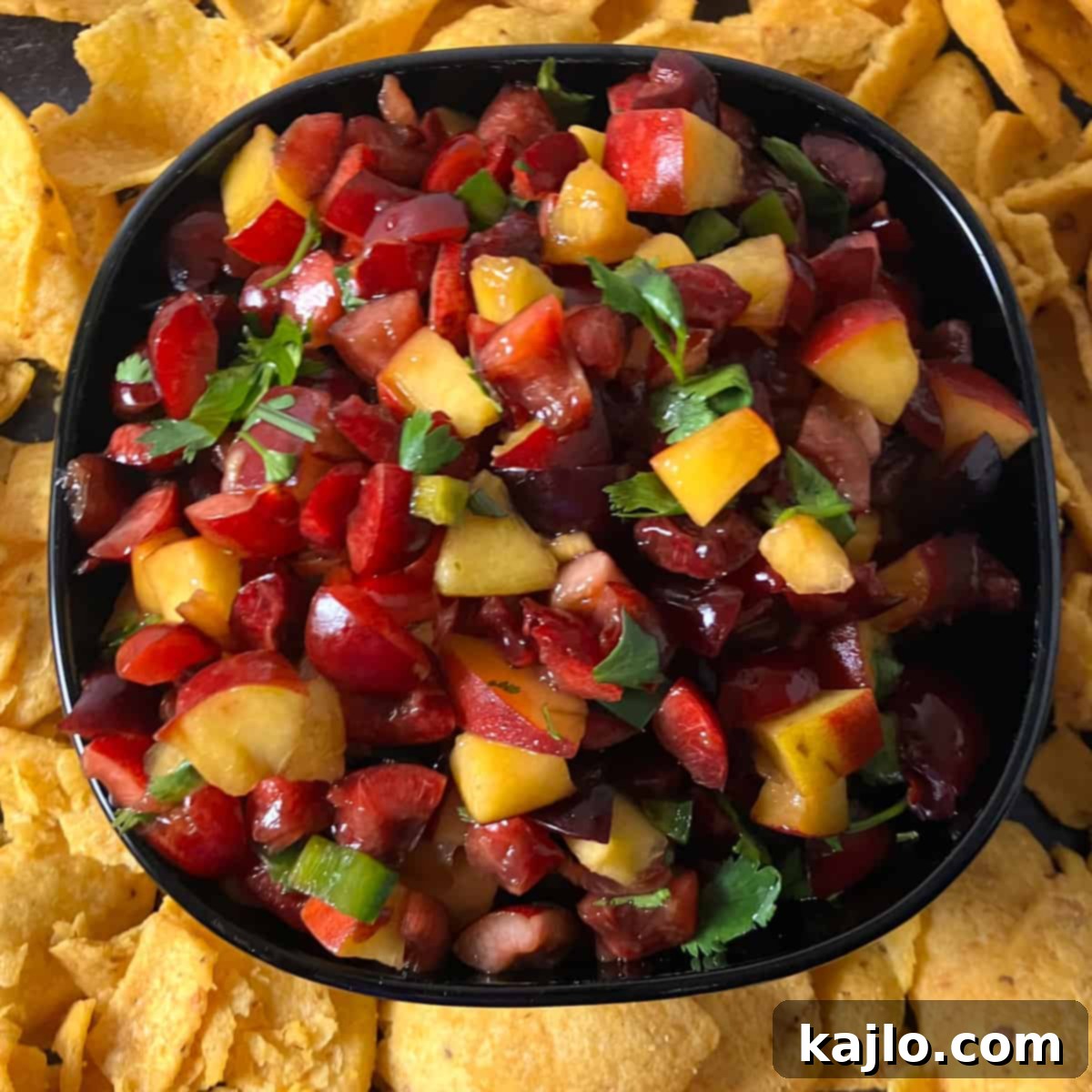
Are you searching for the perfect salsa substitute? Whether you’re avoiding tomatoes due to allergies, personal preference, or simply looking for a fresh culinary adventure, finding a delicious alternative to traditional salsa can transform your meals. This comprehensive guide explores various salsa alternatives, offering both conventional and innovative options. We’ll delve into ideal salsa replacements for dipping, topping, and cooking, including a fantastic tomato-free salsa recipe that uses vibrant fruits to create a sweet and spicy sensation. This unique salsa alternative with no tomatoes is a 1:1 swap, perfect for tortilla chips, nachos, tacos, or as a flavorful accompaniment to grilled meats. Crafted with just five simple ingredients, it’s also vegan, plant-based, Paleo-friendly, and gluten-free. Beyond our special recipe, you’ll discover the best ways to replace jarred salsa in recipes and explore versatile substitutes for salsa on tacos, ensuring your culinary creativity knows no bounds.
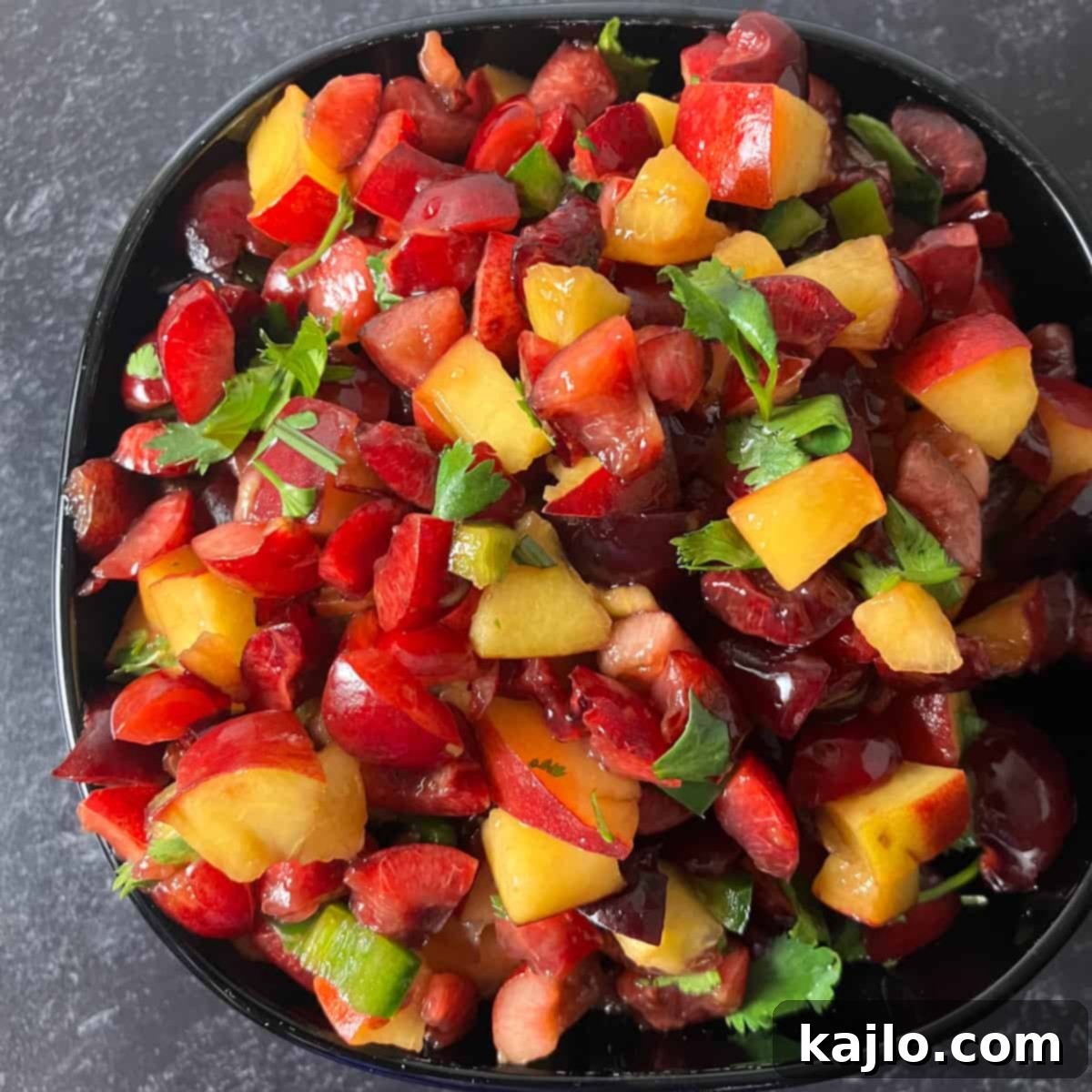
🍅 Finding Your Ideal Tomato-Based Salsa Substitute
Sometimes you run out of salsa, or perhaps you just want to experiment with different flavors and textures. The good news is that there are many versatile options available to serve as a salsa replacement, each with its own unique characteristics. The best choice often depends on your intended use – whether you need a dip, a cooking ingredient, or a topping. Let’s explore some excellent alternatives for salsa, primarily focusing on tomato-based options that closely mimic traditional salsa:
- Marinara Sauce (Tomato Sauce): A smooth and savory option, marinara can be a fantastic 1:1 substitute for salsa in cooked dishes like casseroles, stews, or even as a base for chilis. Look for varieties with minimal added sugar for a healthier choice. It provides a rich tomato flavor and a good consistency for incorporating into simmering dishes.
- Crushed Tomatoes: Offering a slightly thicker consistency than marinara, crushed tomatoes provide a robust tomato flavor and some texture. They work exceptionally well as a base in recipes that call for a chunky salsa, especially when you can add your own seasonings like chili powder, cumin, oregano, or a pinch of cayenne pepper for a spicy kick.
- Fresh Diced Tomatoes: For a vibrant and fresh alternative, simply dice up ripe, juicy tomatoes. This is particularly effective for recipes where a fresh, chunky texture and bright flavor are desired, such as for topping grilled chicken or mixing into a grain bowl. You can easily enhance the flavor by adding finely minced red onion, garlic, fresh cilantro, and a squeeze of lime juice.
- Canned Diced Tomatoes: A convenient pantry staple, canned diced tomatoes are excellent for recipes that require a cooked salsa component, such as soups, chilis, or baked dishes. Like fresh diced tomatoes, they often benefit from added seasonings (chili powder, cumin, salt, pepper) to emulate salsa’s complexity and zing.
- Tomato Juice: While thinner in consistency, tomato juice can replace small amounts of salsa, primarily for adding liquid and a concentrated tomato flavor to marinades, sauces, or certain cooked dishes where moisture is needed. It is not suitable as a chunky dip or topping due to its liquid nature.
- Ketchup: Ketchup offers sweetness, tang, and a smooth texture. It’s best used in very small quantities to replace salsa where a hint of tomato sweetness is desired, such as in glazes, certain dressings, or as a quick condiment. It’s generally not a good standalone salsa substitute due to its distinct, sweeter flavor profile and lack of chunkiness.
- Chipotle Hot Sauce: For those who love heat and a smoky flavor, chipotle hot sauce can be a great addition. Use it sparingly to add a spicy, smoky dimension to dishes that traditionally use salsa. It’s not a volumetric replacement but rather a concentrated flavor enhancer, best for adding a fiery kick.
- Tomato Paste: Highly concentrated, tomato paste is ideal for enriching the tomato flavor in cooked dishes without adding much liquid. Dilute it with a little water or broth if a thinner consistency is needed. A small amount goes a long way in adding deep umami, but it won’t replicate salsa’s fresh texture or full flavor profile on its own.
- Picante Sauce: Often characterized by a smoother, thinner consistency compared to chunky salsas, picante sauce can be a direct 1:1 substitute for salsa, especially for dipping chips or topping tacos, provided you enjoy its specific flavor and texture. It’s a quick and easy swap when you need a ready-made option.
- Pico de Gallo: Often called “salsa fresca,” Pico de Gallo is a fresh, uncooked mix of finely chopped tomatoes, onion, cilantro, and often serrano peppers, typically seasoned with lime juice. It’s a fantastic alternative to jarred, cooked salsa, offering a bright, vibrant flavor and chunky texture, perfect for any application where fresh salsa is desired.
- Enchilada Sauce: Depending on the recipe, a smooth enchilada sauce can sometimes replace salsa, particularly in dishes where the salsa is cooked in, such as enchiladas, burritos, or casseroles. To best match, use red enchilada sauce with red salsa, and green enchilada sauce with salsa verde, keeping in mind the seasoning differences.
- Rotel: This popular canned blend of diced tomatoes and green chilies offers a convenient, flavorful substitute for chunky salsa in cooked recipes like chili, queso, or casseroles. Its liquid content means it might be too watery for direct dipping, but it’s excellent for adding flavor and substance to cooked dishes.
- Salsa Verde: A distinctive green salsa primarily made from tomatillos, green chilies, onions, and cilantro. It’s an excellent alternative if you enjoy tangier, brighter notes with a slight acidity. Perfect for pork, chicken, eggs, or even as a base for green chili stew.
- Green Chilies (Canned or Fresh): Diced green chilies, whether canned or fresh, provide a mild to moderate heat and a distinct earthy flavor. They can be added to diced tomatoes or other bases to build a custom salsa-like flavor, particularly when you need a little kick without overwhelming the dish.
It’s important to remember that not all of these options serve as a perfect 1:1 replacement. For instance, while a thick marinara sauce or crushed tomatoes can seamlessly replace salsa in recipes like my Air Fryer Stuffed Bell Peppers, a concentrated ingredient like hot sauce, ketchup, or tomato paste should only be used in small amounts to add specific flavor notes. These intensely flavored ingredients can easily overpower a dish if used in large quantities. For recipes requiring significant amounts of salsa, aim for alternatives that match its consistency and flavor profile more closely, such as spaghetti sauce or canned diced tomatoes, which can then be seasoned with chili powder, cumin, and other spices to achieve the desired kick and complexity.
🌮 Non-Tomato Salsa Alternatives for Nachos and Tacos
When it comes to topping your favorite nachos or filling your tacos, a non-tomato salsa can offer a refreshing and equally delicious experience. These alternatives focus on creamy textures, savory profiles, or fruity sweetness, providing a delightful contrast to the traditional tomato-based options. Here are some fantastic alternatives to salsa for nachos and tacos that will elevate your next meal or snack:
- Sour Cream or Mexican Crema: The cool, creamy, and tangy nature of sour cream or Mexican crema provides a refreshing contrast to spicy dishes. They add a rich texture and can be easily flavored with a squeeze of fresh lime juice, finely chopped cilantro, or a touch of hot sauce for an extra dimension of flavor.
- Shredded Cheddar Cheese (or other melting cheeses): While not a dip in the traditional sense, melted cheese is an indispensable classic nacho and taco topping. A generous layer of shredded cheddar, Monterey Jack, pepper jack, or a Mexican cheese blend adds gooey richness, savory depth, and a comforting warmth that is hard to beat.
- Keto Cheese Dip: For those seeking a cheesy, low-carb option, a homemade keto cheese dip can be an incredibly satisfying substitute. Its smooth, rich texture is perfect for coating tortilla chips, drizzling over loaded nachos, or adding a creamy element to your tacos without the traditional salsa.
- Guacamole: Rich, creamy, and packed with healthy fats, guacamole is an absolute favorite for a reason. Made from mashed avocados, fresh lime juice, minced onion, and cilantro, it brings a fresh, earthy flavor and luscious texture that complements almost any Mexican dish. It’s an excellent salsa alternative that stands proudly on its own.
- Bean Dip: Hearty, savory, and satisfying, bean dip (especially homemade refried bean dip) provides a substantial base for nachos or a flavorful filling for tacos and burritos. It’s a great source of plant-based protein and can be seasoned with various spices like cumin, chili powder, and garlic to match your personal preference.
- My Tomato-Free Fruit Salsa: The homemade fruit salsa detailed in the recipe card below is a vibrant, sweet, and spicy alternative that offers a completely different, yet equally exciting, flavor profile for chips, nachos, and tacos. It’s an unexpected twist that’s sure to impress your taste buds and add a burst of freshness.
These creative substitutes for salsa with no tomatoes are fantastic for enhancing the flavor and texture of tortilla chips, nachos, or tacos. They bring unique dimensions of creaminess, richness, or sweet-tart fruitiness to your meal. However, it’s important to note that most of these creamy or cheesy alternatives are not ideal as direct salsa substitutes in cooked recipes where a thinner, more acidic, or chunky tomato-like consistency is required for the dish’s structure or moisture content.
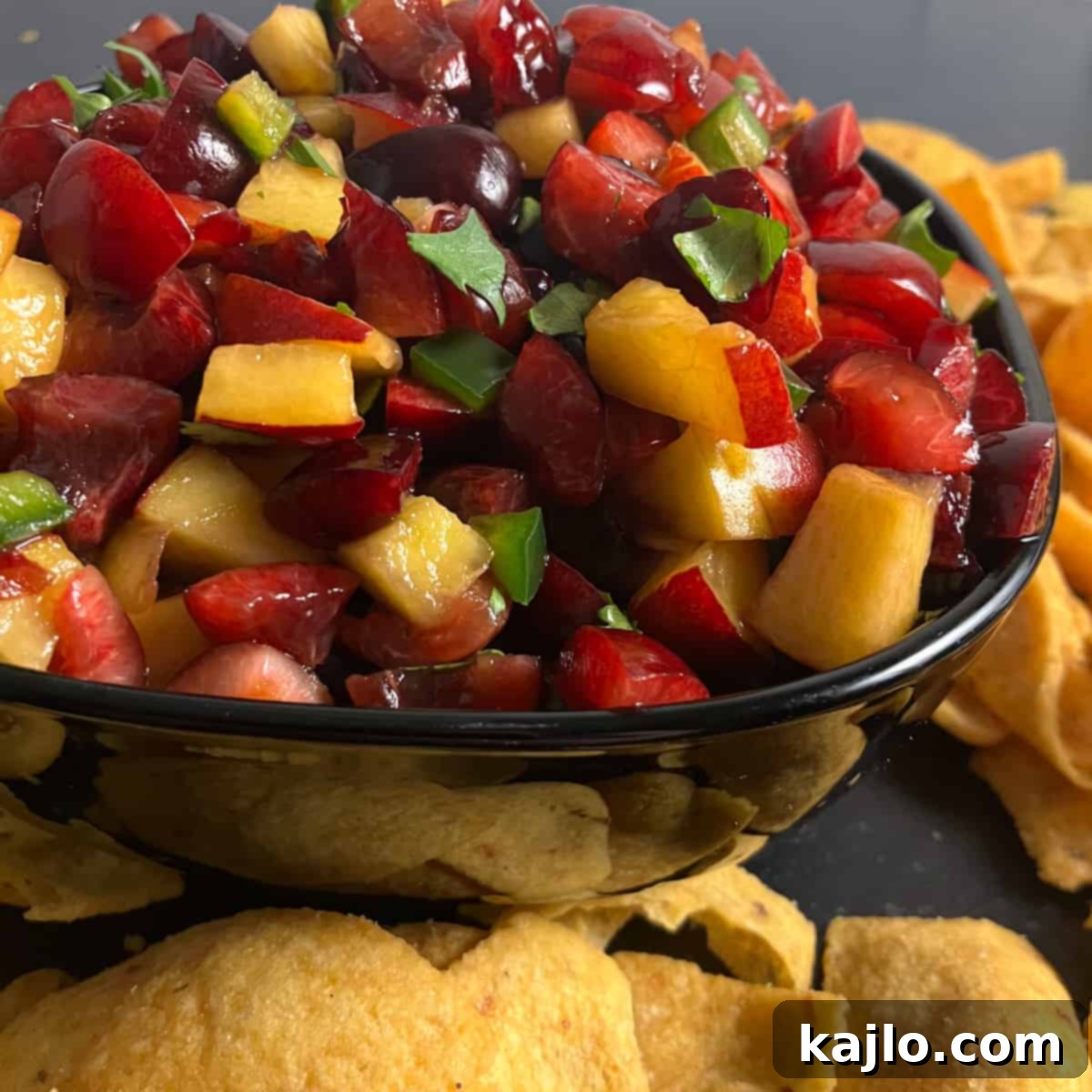
🥫 Specific Salsa Substitutions: Diced Tomatoes, Pico de Gallo & More
Understanding how specific ingredients compare to salsa can help you make informed choices in the kitchen. Let’s delve into some common questions about substituting salsa with other staples, providing practical advice for each scenario:
Can you substitute diced tomatoes for salsa?
Absolutely, diced tomatoes can effectively stand in for chunky salsa, particularly in recipes where the salsa is cooked into the dish, such as hearty soups, chili, or casseroles. While they offer the foundational tomato component and texture, plain diced tomatoes lack the seasoned depth and complexity of a prepared salsa. To elevate their flavor, consider enhancing them with finely diced green chilies, minced onion, garlic powder, a pinch of cumin, a dash of hot sauce, or a squeeze of lime juice. This simple enhancement will bring them much closer to a salsa-like profile, making them an excellent and adaptable base for creating a more complex and flavorful dish.
Can you substitute salsa for diced tomatoes in chili?
Yes, swapping salsa for diced tomatoes in chili is a clever move that can add instant flavor and spice, often saving you time and extra ingredients. Salsa typically comes pre-seasoned with a blend of onions, garlic, chilies, and herbs, which means less chopping and seasoning for you. When making this substitution, it’s crucial to be mindful of the salsa’s heat level; a hot salsa will significantly increase the spiciness of your chili, so opt for mild salsa if you prefer a gentler heat. This swap can infuse your chili with a richer, more complex flavor profile right from the start, simplifying the seasoning process.
🤔 Can you substitute salsa for Pico de Gallo?
Pico de Gallo, also known as “salsa fresca,” is essentially a fresh, uncooked salsa made from finely chopped raw tomatoes, onions, cilantro, and often serrano peppers, typically seasoned with lime juice. Because it is a type of fresh salsa, it makes an excellent alternative to jarred, cooked salsa. You can use Pico de Gallo interchangeably with salsa for topping tacos, nachos, grilled fish, or as a fresh, vibrant ingredient in recipes where you want a bright, clean flavor and distinct, crisp texture. It brings a wonderfully fresh element to any dish.
⭐ Benefits of Exploring Salsa Alternatives
Why bother seeking out a salsa substitute when traditional salsa is so readily available? There are several compelling reasons to explore the world of salsa alternatives, whether you’re making your own or choosing from store-bought options, each offering unique advantages:
- Customizable Sweetness and Heat: Homemade salsa alternatives, especially fruit-based ones, give you unparalleled control over the balance of sweet and spicy flavors. For instance, in our featured recipe, you can easily increase the heat by leaving the seeds in the jalapeño or opt for a milder version by removing them entirely. This precise customization allows you to tailor the salsa perfectly to your palate and the preferences of your guests.
- No Added Sugar: Many commercial salsas, particularly fruit salsas and even some tomato-based varieties, contain added sugars to enhance flavor or shelf life. Crafting your own sugar-free salsa provides a healthier alternative to condiments like ketchup and barbecue sauce, which are often laden with hidden sugars. You get natural sweetness from the fruits without the unnecessary extra processing or calories.
- Low Sodium Options: Jarred salsas can often be high in sodium due to added salt, in addition to the natural sodium content of tomatoes. Our homemade salsa substitute contains no added salt, making it a truly low-sodium salsa. Furthermore, it’s low in fat and packed with beneficial fiber, potassium, vitamin C, and other essential vitamins and minerals, offering all the goodness of salsa with significantly reduced sodium, which is great for heart health.
- Easy Homemade Preparation: You don’t need a gourmet kitchen or extensive culinary skills to whip up a fantastic salsa alternative. Our featured fruit salsa requires only 5 simple ingredients and minimal preparation, primarily chopping and stirring. This makes it an effortlessly easy homemade salsa recipe that can be prepared in minutes, perfect for busy schedules.
- Dietary Inclusivity (Vegan, Plant-Based, Gluten-Free): Many traditional salsas naturally align with whole foods plant-based (WFPB), gluten-free, and vegan diets. Our featured alternative maintains these qualities, offering a delicious and inclusive option for various dietary needs and preferences, making it accessible to a wider audience.
- Delicious and Versatile: Beyond its health benefits, a well-made homemade salsa substitute is incredibly delicious. The unique combination of sweet peaches and tart cherries in our recipe, for example, is so flavorful that it could easily be enjoyed on its own as a refreshing snack. It also makes a wonderful fruit salad base, showcasing its versatility for both savory and sweet applications.
- Allergy & Sensitivity Friendly: For individuals with tomato allergies, sensitivities, or those following a nightshade-free diet, tomato-free salsa alternatives are not just a preference, but a necessity. These options allow them to enjoy the vibrant flavors and textures commonly associated with salsa without adverse reactions, broadening their culinary horizons.
🥘 Introducing Our Homemade Fruit Salsa Substitute: Ingredients
Get ready to create a vibrant and refreshing homemade salsa substitute that’s bursting with flavor! This particular recipe utilizes seasonal fruits for a delightful twist on traditional salsa, offering a balance of sweetness, tang, and a hint of spice. Here’s your simple shopping list for this delectable creation:
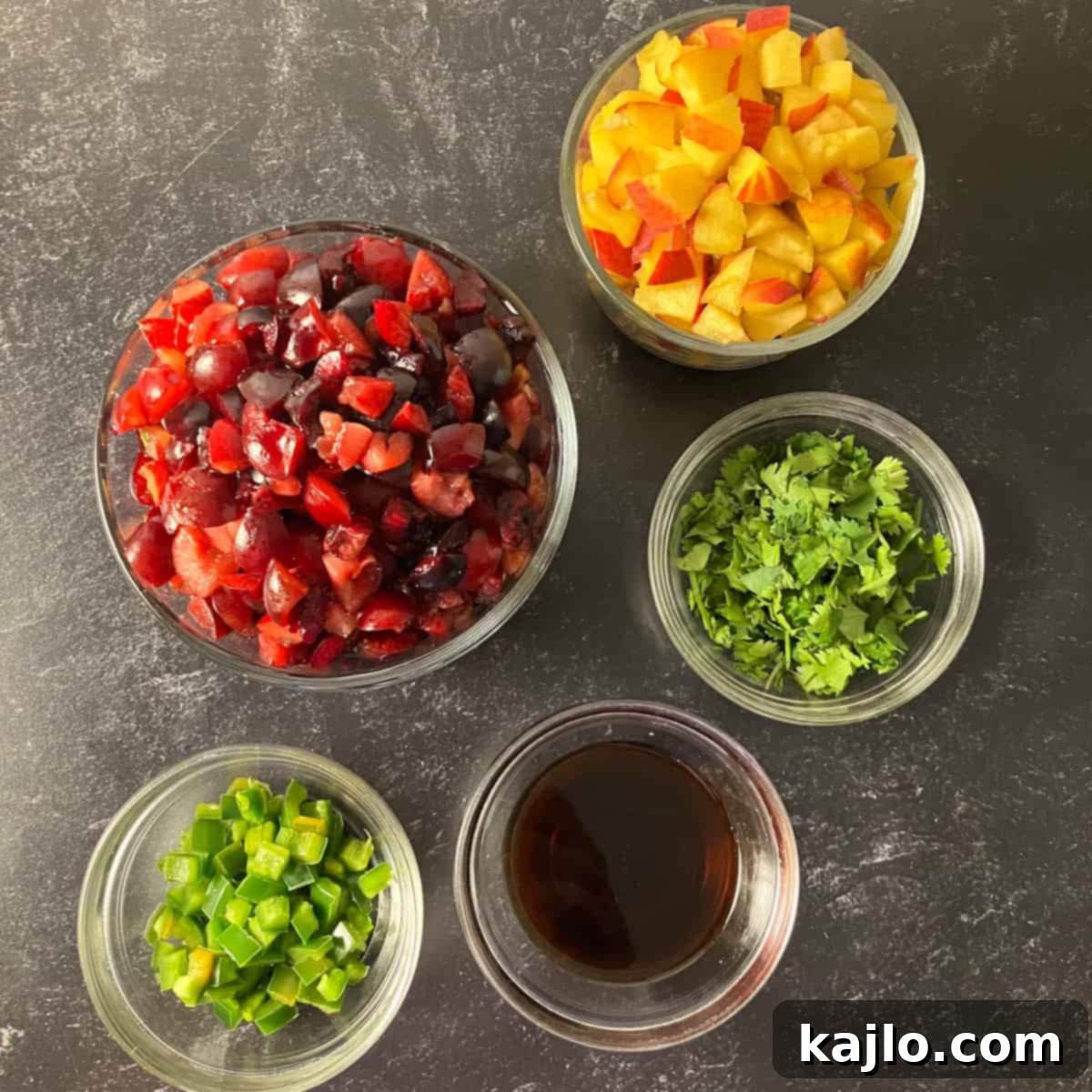
- 2 cups fresh sweet cherries: Look for firm, ripe cherries that are deep in color. Their natural sweetness and slight tartness are key to this salsa’s unique and appealing flavor profile. Fresh is best for optimal texture and taste.
- 1 cup peaches: Choose ripe, fragrant peaches that yield slightly to gentle pressure. About one medium peach should give you the required cup once finely chopped. Peaches add a juicy sweetness and a soft, succulent texture that beautifully complements the cherries.
- 1 jalapeno: This provides the signature heat and a touch of peppery flavor. You have full control over the spice level; you can adjust it by deciding whether to include the seeds and the white membrane or not.
- 2 tablespoons fresh cilantro: Cilantro adds a crucial herbaceous, fresh note that brightens the entire salsa and brings an authentic, zesty aroma. Make sure it’s fresh for the best flavor impact.
- 1 tablespoon balsamic vinegar: The balsamic vinegar provides a delightful tang and a subtle depth, perfectly balancing the sweetness of the fruits. If you prefer, other acidic components can be substituted.
The secret to crafting truly the best salsa, whether traditional or alternative, consistently lies in using fresh, high-quality ingredients that you personally enjoy. This particular recipe shines brightest when fresh cherries and peaches are in peak season, typically during the summer months, ensuring maximum flavor, sweetness, and juiciness. If fresh fruit isn’t available, frozen cherries and peaches (thawed and well-drained) can be used, but be aware that the texture might be softer than with fresh fruit.
For those who aren’t keen on balsamic vinegar, several excellent alternatives can provide a similar acidic balance to cut through the fruit’s sweetness. Fresh lime juice, apple cider vinegar, lemon juice, or even a splash of orange juice would all work beautifully, each offering a slightly different nuanced flavor profile. Experiment to find which acid best complements your taste!
One of the more time-consuming steps when working with fresh cherries is pitting them. A dedicated cherry pitter can make this task much quicker and cleaner, saving you time and mess. Alternatively, some people find success using a simple paperclip or a chopstick to push out the pits. Beyond the pitter, a good, sharp knife is essential for finely chopping the fruits and vegetables to achieve the desired salsa consistency. While precision chopping yields the best texture for this salsa, if you’re short on time, a food processor can be used to pulse the ingredients; however, be careful not to over-process, as you want a chunky salsa, not a puree.
🔪 How to Prepare Your Fruit Salsa Substitute
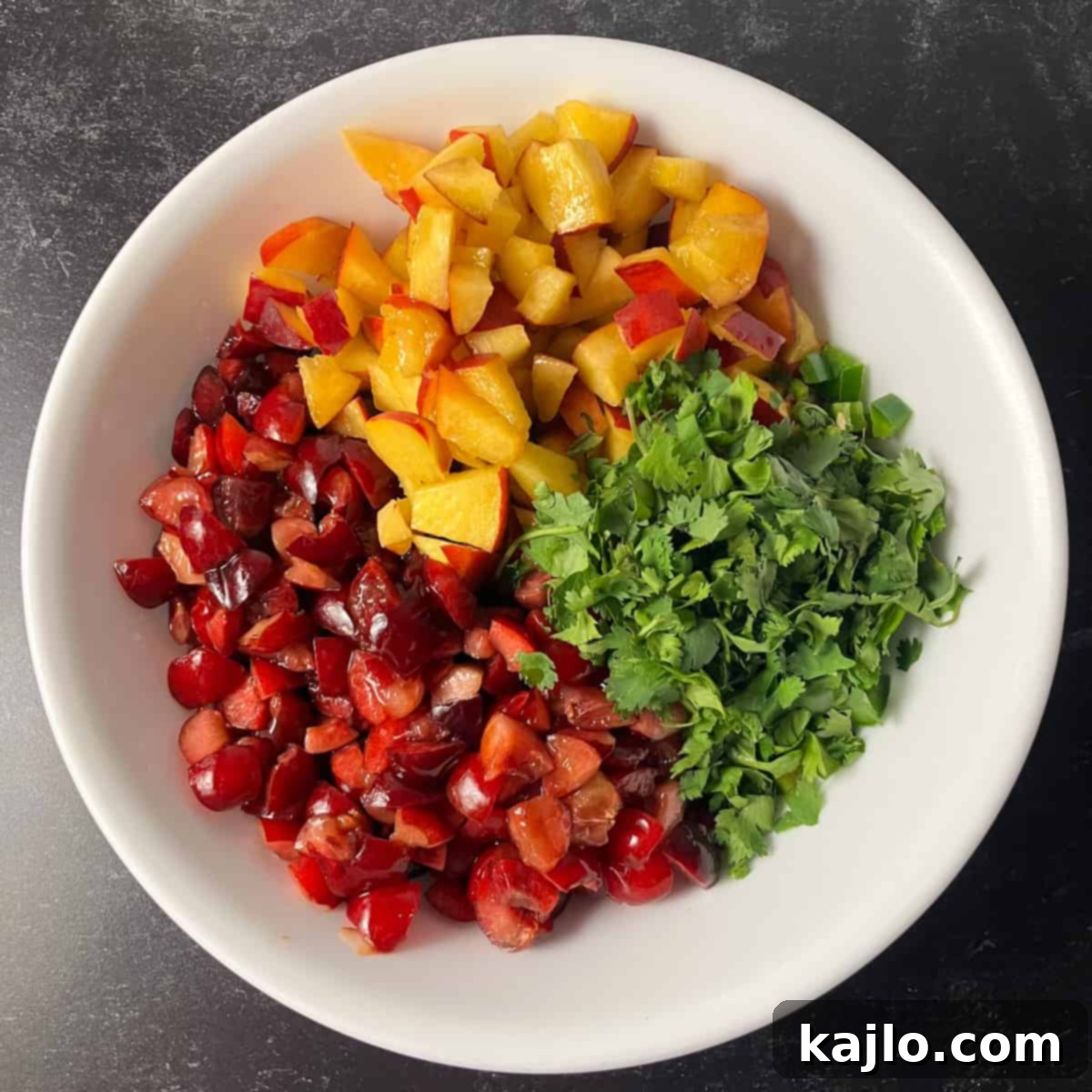
Creating this delicious fruit salsa is straightforward and quick, making it an ideal last-minute addition to your meal or party spread. Follow these simple steps for a perfect batch that balances sweet, tangy, and spicy notes:
- Prepare the Fruits and Vegetables: Begin by thoroughly rinsing all your fruits and vegetables under cool running water. Pat them dry with a clean cloth or paper towel. Next, carefully pit and stem the cherries. Once pitted, chop them into small, uniform pieces, roughly one-eighths of their original size, ensuring a consistent texture throughout the salsa.
- Chop Remaining Ingredients Finely: Finely chop the peach, jalapeño, and fresh cilantro. The key here is “finely chopped.” If the pieces are too large, the mixture will resemble a fruit salad more than a salsa, so aim for small, uniform dice. This ensures that each spoonful offers a harmonious blend of all flavors and textures.
- Adjust Heat Level (Jalapeño): For this recipe, if you prefer a milder salsa, I recommend removing the seeds and the white membrane from the jalapeño, as these parts contain most of the capsaicin (the compound responsible for the heat). If you enjoy a spicier salsa with more kick, feel free to leave some or all of the seeds in. Always handle jalapeños with care and wash your hands thoroughly afterward to avoid irritation.
- Combine and Chill for Flavor Infusion: In a medium mixing bowl, gently stir together the chopped cherries, chopped peaches, diced jalapeño, fresh cilantro, and balsamic vinegar. Ensure all ingredients are well combined and evenly distributed. Once mixed, cover the bowl tightly and place your homemade salsa substitute in the refrigerator. Allow it to chill for at least 30 minutes before serving. Chilling not only enhances the flavors as they meld together beautifully but also provides a refreshing coolness, especially on a warm day.
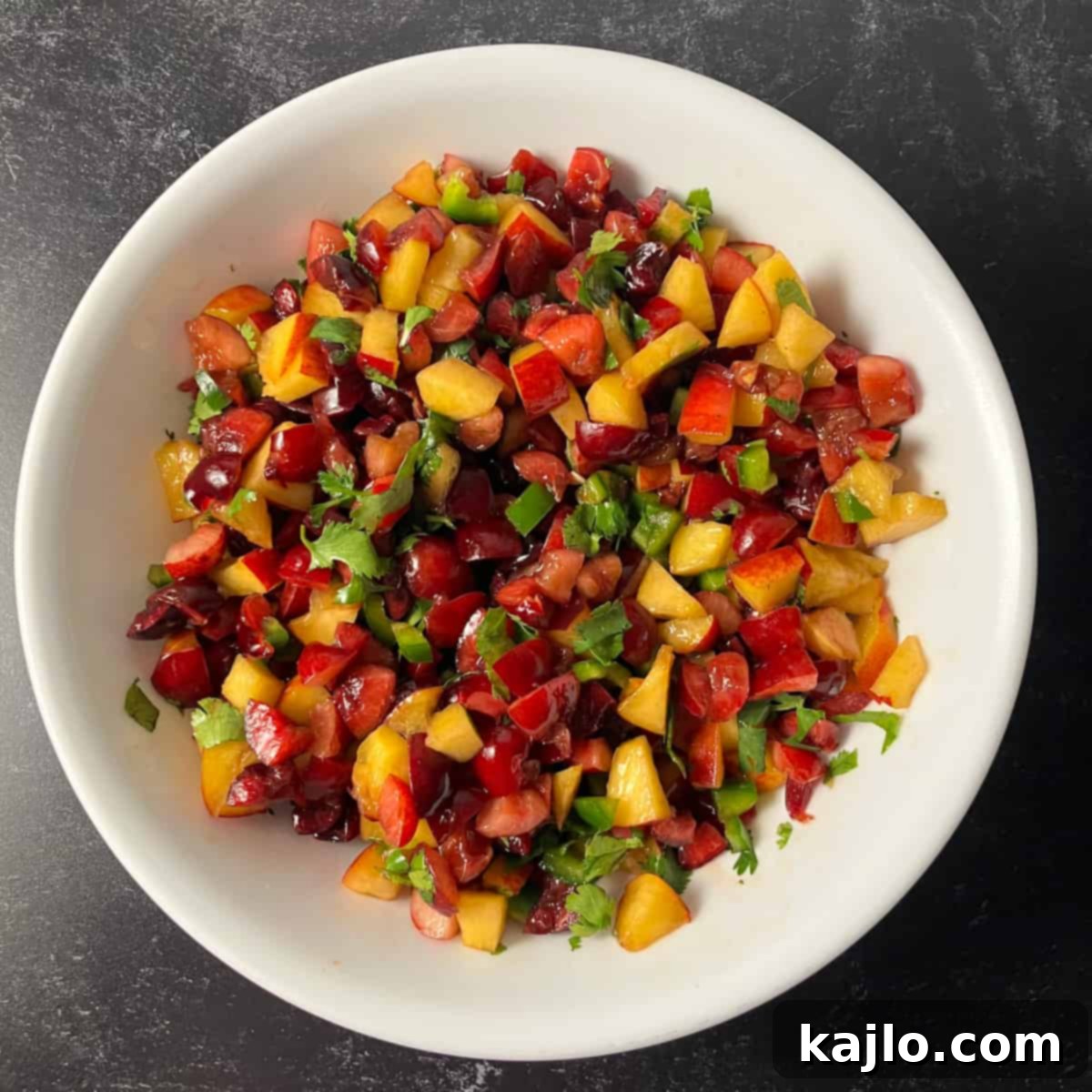
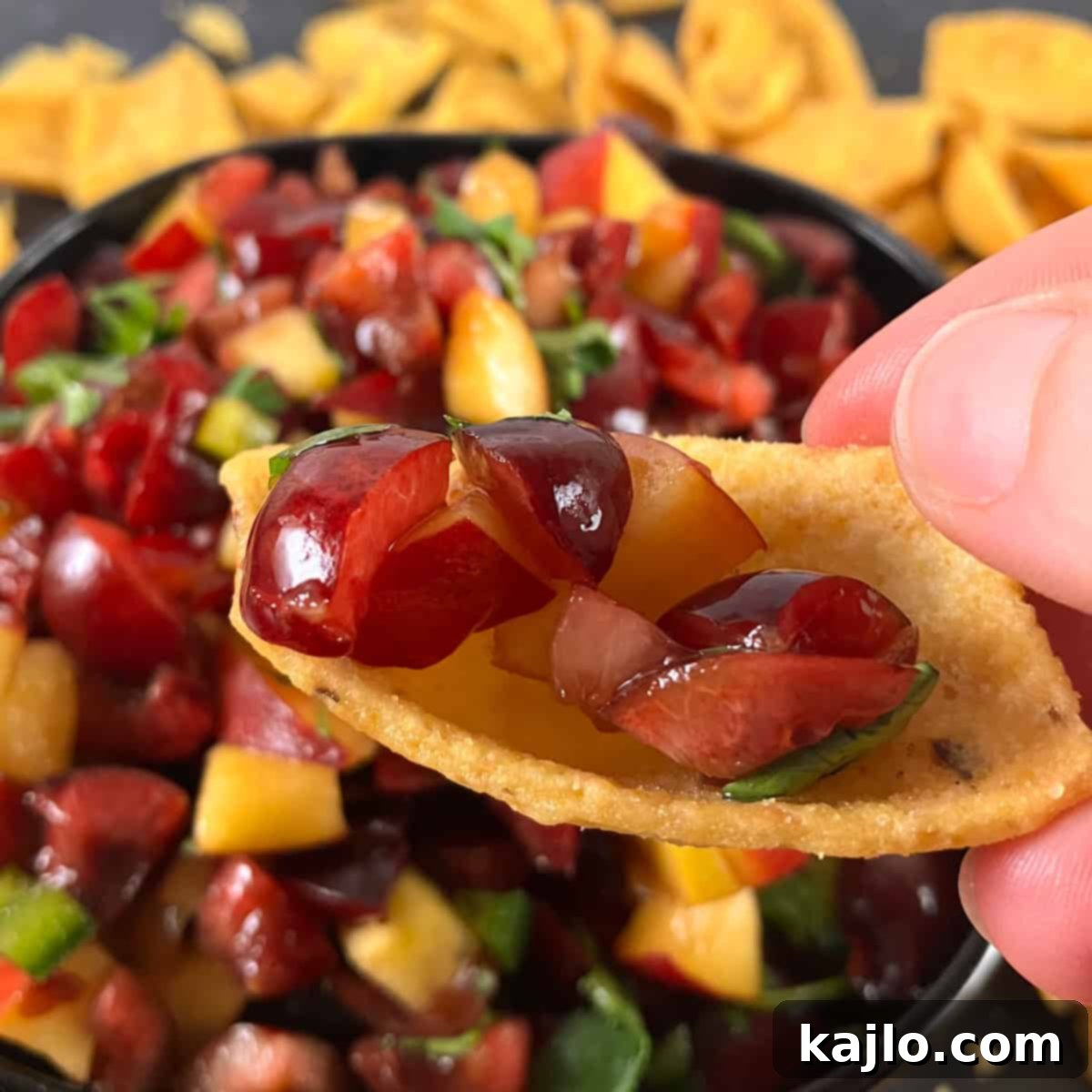
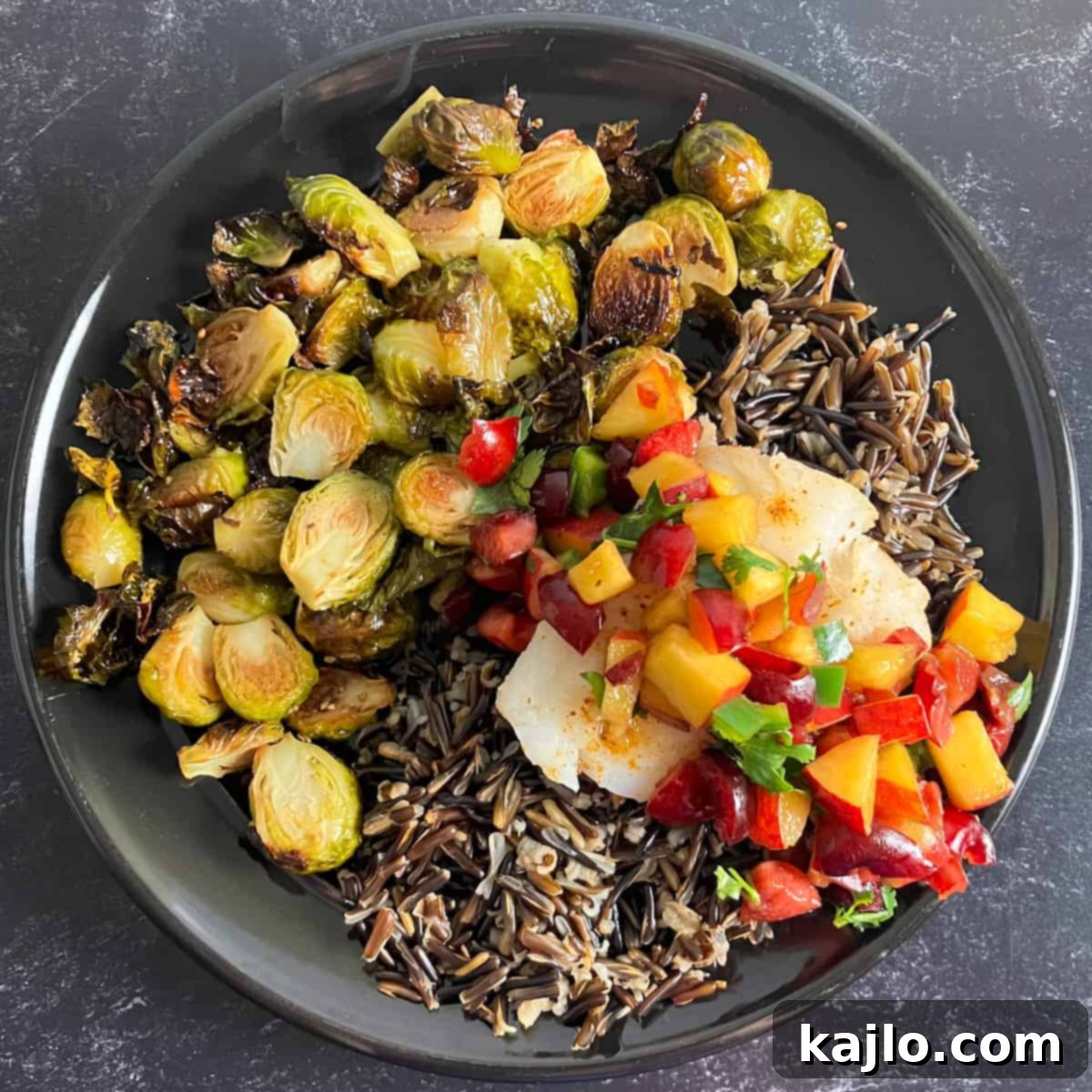
This vibrant fruit salsa substitute is best utilized as a fresh topping rather than an ingredient cooked into recipes, where its delicate fruit structure might break down. It shines as a delightful sauce for various dishes, particularly complementing savory proteins. Try it as a bright and tangy topping for fish tacos (especially white fish varieties like cod, mahi-mahi, or tilapia), grilled chicken, pork tenderloin, or even on a classic burger for an unexpected sweet, spicy, and tangy kick. Of course, it’s also a fantastic and refreshing dip for your favorite tortilla chips, offering a unique twist on movie night or party snacks that will surely be a conversation starter.
🌡️ Storing Your Homemade Salsa Substitute
Proper storage is key to maintaining the freshness, vibrant color, and delicious flavor of your homemade salsa substitute. Once prepared, transfer the salsa to an airtight container. This prevents air exposure, which can lead to oxidation and loss of freshness. Store it securely in the refrigerator. It will keep well and taste best for up to 2-3 days. While it might be tempting to make a large batch for future use, please note that this fruit-based salsa does not freeze well. The delicate structure of the fruits, especially peaches and cherries, will break down significantly upon freezing and thawing. This process will cause them to become mushy and lose their desirable firm texture, thereby diminishing the overall quality and appeal of the salsa. For this reason, it’s best enjoyed fresh within a few days of preparation.
📋 Salsa Substitute Nutrition Insights
Understanding the nutritional value of your food is always helpful for managing your dietary goals. For this delightful fruit-based salsa substitute, a generous serving, which constitutes one-fourth of the entire recipe, contains approximately 68 calories, 16.9 grams of total carbohydrates (with 14.6 grams net carbs), and 1.2 grams of protein. These figures are estimates and can vary slightly based on the exact ripeness, size of your specific fruits, and any variations in ingredient measurements.
This portion size is quite substantial and works perfectly as a satisfying dip when paired with chips or crackers. However, if you are looking to manage calorie intake or using this flavorful salsa substitute as a lighter topping for lean proteins like grilled fish or chicken, or to sparingly garnish tacos, you might prefer to halve the serving size. In that scenario, the entire recipe would yield 8 servings, with each portion offering fewer calories and carbohydrates, making it an even lighter option to enhance your meal without adding significant caloric density. Always consider your personal dietary needs and how the salsa fits into your overall meal plan.
FAQs About Salsa Substitutes and Alternatives
Let’s address some common questions you might have about replacing salsa or its components, ensuring you’re well-equipped for any culinary scenario and can confidently make the best choices for your dishes:
What’s a good cilantro substitute for salsa?
Cilantro’s distinct and vibrant flavor is a cornerstone of many salsas, but for those who find it tastes “soapy” (a genetic predisposition known as cilantro aversion), or simply aren’t fond of its taste, several fresh herbs can serve as excellent substitutes. Flat-leaf Italian parsley offers a fresh, clean, and slightly peppery flavor without the strong, polarizing notes of cilantro, making it a generally safe and pleasant alternative. Mint can provide a refreshing, slightly cooling sensation, which can be particularly delightful in fruit salsas, adding an unexpected layer of brightness. Thai basil brings a unique anise-like aroma and flavor that can be intriguing. Lastly, culantro (also known as Mexican coriander or long coriander) offers a similar, but often stronger and earthier, flavor to cilantro for those who enjoy the profile but want to try something different or need a more potent herbaceous note.
Can I substitute taco sauce for salsa?
Both taco sauce and salsa are popular condiments for tacos, burritos, fajitas, and other Mexican-inspired dishes, and for topping purposes, they can often be used interchangeably. Both add moisture, flavor, and a touch of spice to a dish. However, there’s a key distinction: if a recipe calls for a substantial amount of salsa as a cooking ingredient (e.g., in a casserole, soup, or a slow-cooked dish where salsa contributes significant volume and chunkiness), a thin, hot-sauce-like taco sauce might not be a suitable 1:1 replacement. Thicker, chunkier taco sauces might work better in such cases due to their similar consistency. Always consider the overall consistency, desired texture, and flavor profile of your dish when making this swap, as taco sauces tend to be smoother and sometimes sweeter or spicier than an average chunky salsa.
Can salsa be substituted for Rotel?
Ro-tel is a specific and popular brand name for canned diced tomatoes with green chilies, providing both a tomato base and a mild chili kick. Yes, a chunky salsa can often be substituted for Rotel in many cooked recipes, particularly those like stuffed peppers, chili, queso, or cheesy dips where both the tomato and chili elements are desired. The salsa will contribute both the tomato base and the chili flavor. However, be aware that many salsas often have a higher liquid content than Rotel, which could slightly alter the consistency of your dish; you might need to adjust other liquids accordingly. Conversely, Rotel tends to be quite watery, making it generally less ideal as a direct, standalone topping for nachos or tacos compared to a thicker, more textured salsa.
Can salsa be substituted for enchilada sauce?
In certain recipes, especially those where enchilada sauce is cooked in and its primary role is to provide a flavorful liquid base, a very smooth salsa can potentially replace it. For green enchilada sauce, an equivalent amount of smooth salsa verde would be the best choice due to its tomatillo base and tangy profile. For red enchilada sauce, a smooth red salsa could work as a substitute. However, it’s important to remember that enchilada sauce often has a thicker consistency and a distinct blend of spices (like chili powder, cumin, and oregano) that salsa might lack. You may need to adjust seasonings, add a pinch of cornstarch or flour for thickening, or otherwise modify the salsa to achieve a similar result in terms of flavor depth and consistency.
Can salsa be substituted for picante sauce?
The answer to this depends on what is meant by “picante sauce.” In American cuisine, “picante sauce” often refers to a smoother, thinner type of salsa, typically less chunky than traditional chunky salsas. In this context, American-style picante sauce and salsa can generally be used interchangeably as a 1-to-1 alternative, especially for dipping or as a cooking ingredient. However, it’s crucial to distinguish this from Salsa Picante in traditional Mexican cuisine, which usually denotes a much hotter, more liquid-like hot sauce with a different flavor profile. If you’re referring to the hotter Mexican variety, it should be treated more like a condiment used sparingly to add heat rather than as a volumetric replacement for salsa.
Can I substitute salsa verde for green chilies?
Salsa verde is predominantly made from tomatillos, which provide a tangy, bright, and slightly acidic flavor that is distinct from green chilies. While green chilies are often an ingredient in salsa verde, they are not a perfect one-to-one substitute for the entire salsa verde. For recipes that call for small amounts of green chilies, a little salsa verde might work in a pinch to add a chili flavor and some acidity. However, if the recipe relies on the specific texture or more neutral, earthy flavor of plain green chilies, a direct swap with salsa verde might significantly alter the dish’s intended outcome due to the tomatillo base and other seasonings present in salsa verde.
What is a Salsa Lizano substitute?
Salsa Lizano is a popular condiment from Costa Rica that has a unique savory, slightly tangy, and subtly sweet flavor profile, completely different from what Americans typically call “salsa.” It’s more of a vegetable-based sauce with spices like cumin, thyme, and mustard, akin to a richer, more complex Worcestershire sauce or A1 sauce. Due to its unique blend, a direct perfect substitute is challenging to find. In my opinion, Worcestershire sauce is the closest readily available substitute due to its complex umami and tangy notes, though it won’t be an exact match in terms of sweetness or specific vegetable flavors. You might also find similar savory profiles in some rich brown sauces or by combining various vegetables, vinegar, and spices to create a homemade approximation.
👩🏻🍳 Creative Ways to Use Your Salsa Substitutes
Having a repertoire of salsa alternatives opens up a world of culinary possibilities, allowing for creative twists on classic dishes and exciting new flavor combinations. Here are some inspiring ideas and recipes where you can incorporate various salsa replacements, beyond just chips and dips:
- Pulled Pork Bowls: Top your savory pulled pork bowls with a zesty tomato-based salsa alternative like Pico de Gallo for freshness, or opt for a creamy avocado salsa or guacamole for a rich, satisfying texture. Our vibrant fruit salsa also provides a fantastic sweet-spicy contrast that cuts through the richness of the pork.
- Air Fryer Stuffed Mini Peppers: For these delicious and colorful stuffed peppers, a hearty crushed tomato sauce seasoned with chili powder and cumin can replace traditional salsa, adding a robust, cooked-in flavor that permeates the filling.
- Air Fryer Nachos: Beyond our featured fruit salsa, consider layering your nachos with generous dollops of creamy guacamole, a substantial bean dip, or a rich keto cheese dip for ultimate indulgence without needing traditional tomato salsa. These offer diverse flavors and textures.
- Savory Oatmeal (Huevos Rancheros Style): Elevate your morning savory oats with a dollop of marinara sauce or a simple fresh diced tomato and onion mix for a quick, flavorful topping reminiscent of classic huevos rancheros, bringing a zesty warmth to your breakfast.
- Grilled Fish or Chicken: Our cherry peach salsa is an exquisite and unexpected topping for grilled white fish (like cod, halibut, or tilapia) or lean chicken breasts, adding a bright, fresh, and slightly sweet counterpoint that complements the smoky flavors of the grill beautifully.
- Breakfast Burritos or Scrambles: A spoonful of smooth picante sauce, a vibrant salsa verde, or even a creamy sour cream or crema can instantly elevate your morning eggs, breakfast burritos, or frittatas, adding moisture and a burst of flavor.
- Soups and Stews: For a hearty tomato-based soup, stew, or a pot of chili, use canned diced tomatoes or crushed tomatoes as a robust base. Enhance these with your favorite spices (cumin, chili powder, oregano) to mimic salsa’s complex and layered flavor profile, adding depth and richness.
Remember, the key is always to use good judgment regarding which type of salsa substitute is best suited for each particular recipe and your personal taste. Don’t be afraid to experiment and discover new flavor combinations that excite your palate and add variety to your meals!
P.S. If your quest for delicious tomato-free salsa substitutes continues, be sure to explore other fantastic options like my award-winning peach and pineapple salsa, which offers a tropical twist, and my low-calorie pear cranberry salsa with ginger and orange, perfect for festive occasions. Mango salsa is another delightful and popular choice that brings a tropical sweetness and tang to your table, ideal for summer dishes.
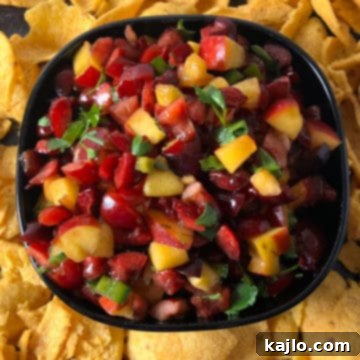
Best Salsa Substitutes (Plus a Delicious Fruit Salsa Recipe!)
By Summer Yule
This delightful salsa substitute recipe uses fresh fruits to create a vibrant, tomato-free alternative, perfect as a dip or topping. It’s a sweet, tangy, and subtly spicy option for any meal.
10 mins
10 mins
Snack, Condiment
American, Mexican-Inspired
4
68 kcal
Ingredients
- 2 cups fresh sweet cherries, pitted and chopped
- 1 cup peach, finely chopped (about 1 medium ripe peach)
- 1 jalapeno, finely chopped (seeded for mild, leave seeds for more heat)
- 2 tablespoons fresh cilantro, finely chopped
- 1 tablespoon balsamic vinegar (or fresh lime juice for an alternative tang)
Instructions
- Thoroughly rinse all fruits and vegetables, then pat them dry. Pit and stem the cherries, then chop them into small pieces (approximately one-eighths).
- Finely chop the peach, jalapeno, and cilantro. Aim for small, uniform pieces to achieve a salsa-like consistency rather than a fruit salad.
- For a milder salsa, remove the seeds and white membrane from the jalapeno. If you prefer a spicier kick, you can leave some or all of the seeds in.
- In a medium bowl, combine the chopped cherries, peaches, jalapeno, cilantro, and balsamic vinegar. Stir gently to ensure all ingredients are well mixed.
- Cover the bowl and refrigerate the salsa for at least 30 minutes before serving. This allows the flavors to meld beautifully and enhances the refreshing quality.
Equipment
- Sharp Knife
- Cherry Pitter (optional, but highly recommended for convenience)
- Cutting Board
- Mixing Bowl
Notes from Dietitian Summer Yule
This is a level 1 recipe (may help support fat loss). Both salsa and most alternatives are naturally low in calories and rich in phytonutrients, making them excellent choices for healthy eating. You can use this vibrant fruit salsa to top lean proteins like chicken or fish, or enjoy it as a traditional snack dip. If you are focusing on weight loss, consider pairing it with corn chips or apple chips, or using it as a flavorful condiment for lean protein to create a delicious and filling meal without excess calories.
Nutrition information provided is for ¼ of the recipe, which is a generous serving size suitable for dipping with chips. If you are using this salsa substitute as a lighter topping for chicken or fish, you may want to cut the portion in half to further reduce calorie and carbohydrate intake.
Nutrition Info Disclaimer
All recipes on this website may or may not be appropriate for you, depending on your medical needs and personal preferences. Consult with a registered dietitian or your physician if you need help determining the dietary pattern that may be best for you.
The nutrition information is an estimate provided as a courtesy. It will differ depending on the specific brands and ingredients that you use. Calorie information on food labels may be inaccurate, so please don’t sweat the numbers too much.
“To taste” means to your preferences, which may have to be visual to follow food safety rules. Please don’t eat undercooked food.
Nutrition Facts (per 1/4 recipe serving)
Carbohydrates: 16.9g
Protein: 1.2g
Fat: 0.3g
Potassium: 246.7mg
Fiber: 2.3g
Vitamin A: 4.2% DV
Vitamin C: 13.4% DV
Calcium: 1.3% DV
Iron: 2.1% DV
Keywords
alternatives for salsa, alternatives to salsa, salsa alternative, salsa alternatives, salsa no tomatoes, salsa substitute, salsa substitutes, salsa with no tomatoes, salsa without tomatoes, substitutes for salsa, tomato free salsa, fruit salsa, homemade salsa, cherry peach salsa, healthy salsa
Join our community! Subscribe for all of the latest and greatest recipes, and follow me on Facebook, Pinterest, Instagram, and YouTube!