Unlock the secrets to finding the perfect garlic salt substitute and learn how to make garlic salt from scratch. Whether you’re running low, managing dietary restrictions, or simply exploring new flavors, this comprehensive guide covers everything from ideal ratios for homemade blends to innovative alternatives. We’ll delve into various garlic salt uses and equip you with the knowledge to enhance your culinary creations with the right seasoning, every time.
Ever found yourself in the middle of a recipe only to discover your garlic salt jar is empty? Or perhaps you’re seeking a specific garlic salt replacement for dietary reasons. Understanding what you can use if you don’t have garlic salt is incredibly useful, transforming a potential kitchen crisis into an opportunity to be resourceful with ingredients you already have. This knowledge means one less item to worry about on your grocery list and greater flexibility in your cooking.
The need for a substitution for garlic salt can arise from various circumstances. While a garlic allergy is uncommon, some individuals might require a garlic powder substitute due to food intolerances or sensitivities. For others, the primary concern is a low-sodium diet, making a traditional garlic salt alternative unsuitable due to its high salt content. And of course, there are those who simply prefer a milder flavor or want to explore an entirely different aromatic profile that’s not quite so “garlicky.”
In this in-depth article, we’ll guide you through numerous ways to substitute garlic salt, catering to all your specific needs and preferences. We’ll begin by addressing the most common query: can garlic powder be substituted for garlic salt, providing precise ratios for homemade blends. Then, we’ll venture into more unique and unexpected alternatives, ensuring you’re always prepared, no matter the situation.
➕ The Best Garlic Salt Substitute
In our experience, the most reliable and versatile garlic salt sub is a simple yet effective mixture of garlic powder and salt. This blend offers the closest flavor profile to commercial garlic salt, making it an excellent alternative to garlic salt for a wide range of culinary applications. It works beautifully in everything from baking savory goods to seasoning cooked meals, providing that essential garlicky-salty kick without missing a beat.
The ideal ratio for this homemade blend is 1 part garlic powder to 3 parts kosher salt. This balance ensures you get both the distinctive garlic flavor and the necessary saltiness that garlic salt provides, allowing for a seamless substitution in virtually any recipe. Below, you’ll find a comprehensive list of garlic salt substitutes, each with its own unique characteristics and applications. We’ll explore each option in greater detail, helping you choose the best fit for your cooking needs.
- Garlic powder and salt
- Minced garlic cloves and salt
- Granulated garlic and salt
- Garlic flakes and salt
- Garlic juice and salt
- Onion salt
- Onion powder and salt
- Garlic oil and salt
- Everything bagel seasoning
- Salt-free spice mixes (such as Mrs Dash Garlic and Herb seasoning)
- Seasonings with different flavors (asafoetida powder, mustard powder, celery salt, cumin, etc.)
Garlic Powder as a Substitute
The question, “Can you use garlic powder instead of garlic salt?” is a common one, and the answer is a resounding yes, provided you incorporate salt. Garlic powder is essentially dried, ground garlic, offering pure garlic flavor without any added sodium. This makes it a fantastic base for creating your own homemade garlic salt, allowing you to control the salt content precisely. When substituting, remember that garlic powder is much more concentrated in flavor than garlic salt, so a little goes a long way. This is particularly important for delicate dishes where an overpowering garlic presence might detract from other flavors.
To accurately substitute garlic powder for garlic salt, the key is to add the correct amount of salt to balance the flavor. Here is a reliable formula to create your own garlic salt blend:
1 Tbsp kosher salt + 1 tsp garlic powder = 4 teaspoons garlic salt (approx.)
It’s worth noting that kosher salt is less dense than standard table salt, which slightly affects volume measurements. If you’re preparing a small quantity of garlic salt, this difference is generally negligible. However, for larger batches or if precision is paramount, consider using approximately ¾ teaspoon of table salt for every 1 teaspoon of kosher salt to achieve a similar salinity level. This homemade garlic powder substitute is ideal for any recipe calling for garlic salt, offering robust flavor and the benefit of controlling your sodium intake.
Fresh Garlic as a Substitute
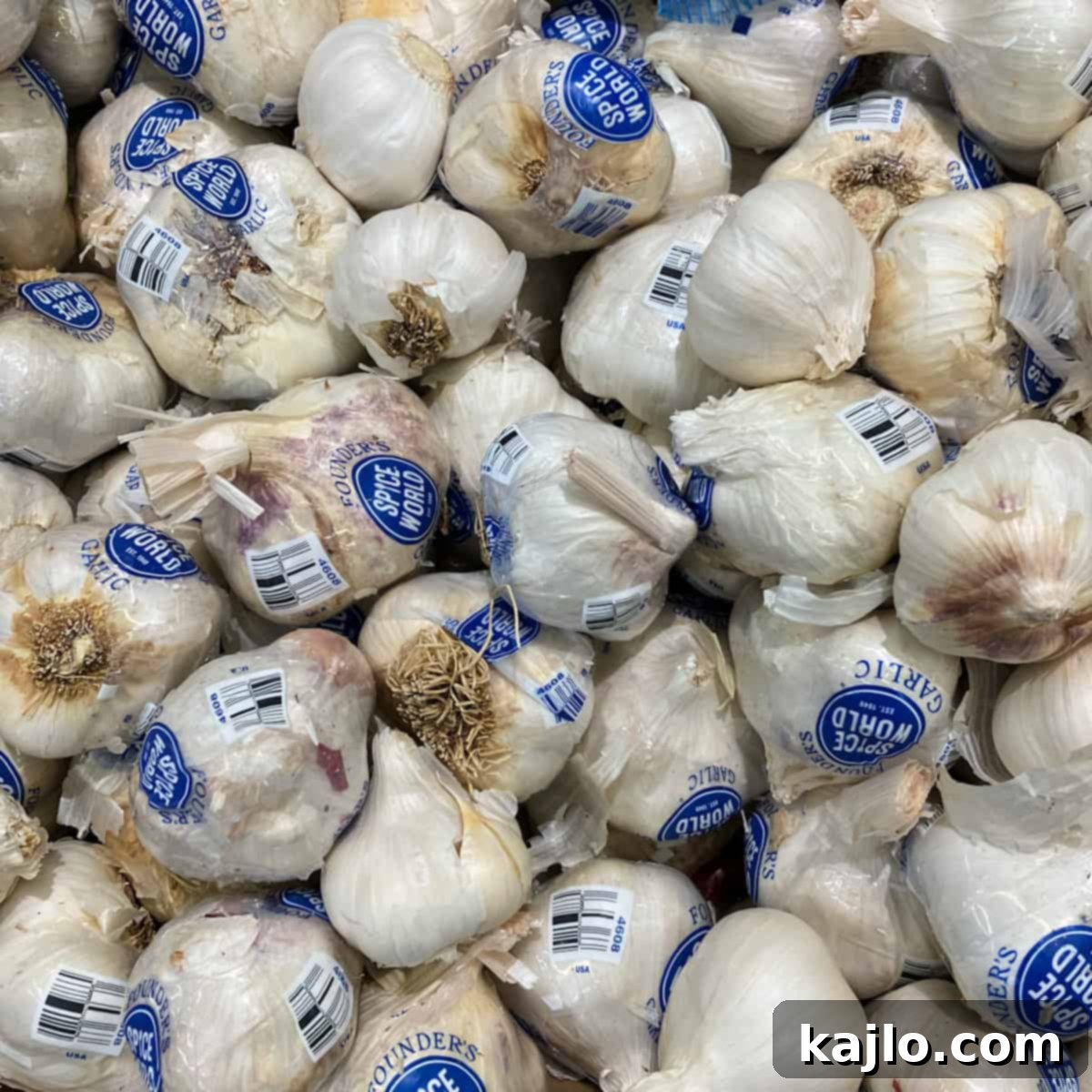
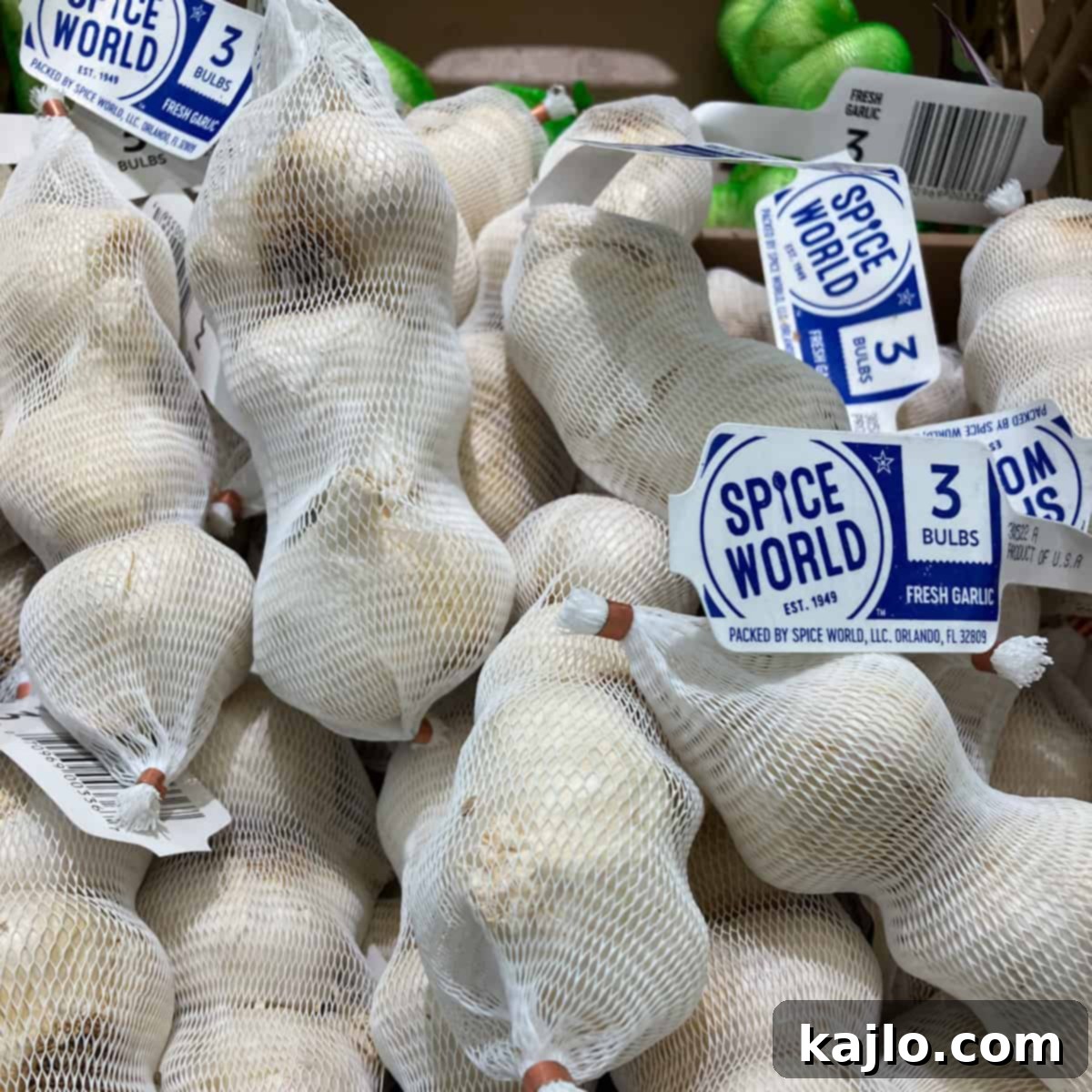
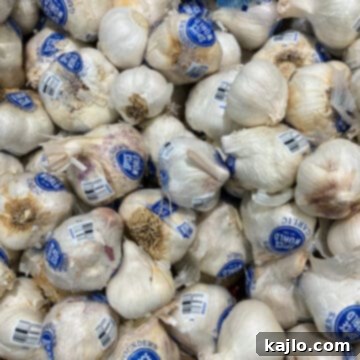
For those who prefer the vibrant, pungent flavor of fresh ingredients, using fresh garlic cloves is an excellent way to replace garlic salt, though it requires a bit more preparation. The primary challenge in converting fresh garlic to a garlic salt substitute is first transforming the cloves into a dried, powdered form. While you can mince fresh garlic and mix it directly into certain dishes, for applications where a dry seasoning is needed (like rubs or baking), drying and grinding is essential. Blending fresh garlic into a puree in a food processor before drying can significantly speed up the dehydration process, resulting in a finer powder.
The potency of fresh garlic can vary widely depending on the size of the cloves and their freshness. Generally, one clove of garlic is estimated to be equivalent to anywhere from ⅛ to ½ teaspoon of garlic powder. This variability means you might need to adjust the amount to suit your taste. To craft your own garlic salt substitute using fresh garlic, you’ll first convert the cloves into garlic powder, then combine it with salt. While this method is more labor-intensive, the depth of flavor from freshly processed garlic can be truly rewarding, making it a favorite for baking and dishes where an authentic garlic essence is desired.
1 Tbsp kosher salt + 2-8 cloves of garlic (converted to garlic powder) = 4 teaspoons garlic salt (approx.)
While making a garlic salt substitute from fresh garlic demands more effort than using pre-made powders, the superior, robust flavor it imparts is often worth the extra steps. Many home cooks find that freshly made garlic powder offers an unparalleled depth, particularly in baked goods where the nuanced notes of garlic can truly shine. It provides a distinct, aromatic quality that commercially produced powders sometimes lack, making it arguably the best garlic powder substitute for baking when you have the time and desire for exceptional flavor.
Granulated Garlic as a Substitute
It’s a common misconception that granulated garlic and garlic salt are the same; however, they are distinct products. Garlic salt is primarily composed of salt, with dried, ground garlic and an anti-caking agent mixed in. In contrast, granulated garlic is simply coarsely ground dried garlic, entirely without salt. This fundamental difference means they cannot be used interchangeably without adjustment. Granulated garlic offers a pure garlic flavor in a texture that falls between garlic powder and garlic flakes.
While granulated garlic provides excellent flavor, it’s generally not as potent as finely ground garlic powder, which packs more garlic per teaspoon. Therefore, when substituting granulated garlic for garlic salt, you might want to use a slightly higher quantity to achieve the desired garlic intensity. To create a suitable garlic salt replacement, you’ll need to combine granulated garlic with salt. Here’s a helpful formula:
1 Tbsp kosher salt + 1-2 teaspoons granulated garlic = 4-5 teaspoons garlic salt (approx.)
When measuring, a good starting point is to substitute granulated garlic for garlic powder in a 1:1 ratio, but be prepared to add a bit more granulated garlic if you feel the flavor isn’t quite as pronounced as you’d like. This allows you to “kick up” the garlic flavor to your preferred level. Granulated garlic’s slightly coarser texture also means it can blend well into rubs and marinades, providing a more visible garlic component compared to the fine dust of garlic powder.
Garlic Flakes as a Substitute
The key distinctions between garlic flakes, garlic granules, and garlic powder lie primarily in their texture and particle size. Garlic flakes feature the largest pieces of dried garlic, resembling small, thin chips. Granulated garlic is more finely ground than flakes but still maintains a noticeable texture. Garlic powder, on the other hand, is the most finely ground, with a consistency akin to cornstarch. Occasionally, you might encounter recipes or products where “garlic flakes” and “granulated garlic” are used interchangeably, so always check the specific product’s appearance.
Due to their larger size, garlic flakes release their flavor more slowly than powders or granules, especially when cooked in moisture. To effectively substitute garlic flakes for garlic salt, you’ll need to combine them with salt, and you might consider a slightly higher amount of flakes to achieve the desired intensity, particularly if they won’t have much time to rehydrate and release their full flavor. Here is a practical formula to guide your substitution:
1 Tbsp kosher salt + 2 teaspoons garlic flakes = 5 teaspoons garlic salt (approx.)
When using garlic flakes, especially in dry rubs or as a topping, you might appreciate the visual appeal and the gradual release of flavor as they rehydrate during cooking. If you need a finer consistency for a particular dish, you can briefly pulse the garlic flakes in a spice grinder or mortar and pestle before mixing with salt, effectively turning them into a homemade granulated garlic or even a coarse powder. This versatility makes garlic flakes a useful ingredient to have on hand for a variety of culinary applications.
Garlic Juice as a Substitute
Garlic juice provides a concentrated burst of fresh garlic flavor and can be effectively used to infuse salt, creating a flavorful garlic salt replacement. Unlike dried forms, garlic juice offers a bright, immediate garlic essence that is particularly well-suited for dressings, marinades, or finishing dishes where a raw garlic note is desired. The intensity of garlic juice can vary significantly between brands, with some being more dilute (like a garlic-infused water) and others more potent (closer to a garlic extract). Always refer to the product label for specific conversion recommendations, as this will provide the most accurate guidance.
When preparing a garlic-flavored salt with garlic juice, you’re essentially creating a custom liquid seasoning. This allows for precise control over both the garlic intensity and the salt level, making it adaptable to different palates and dietary needs. Here is a general formula to help you make your own garlic-flavored salt:
1 Tbsp kosher salt + 2 teaspoons garlic juice = 3 teaspoons garlic salt (approx.)
After mixing, we strongly recommend tasting the resulting garlic-flavored salt. Garlic juice’s potency means a little can go a long way. Adjust the amount of garlic juice or salt as needed to perfectly match your personal taste preferences and the requirements of your recipe. This liquid substitute is less ideal for dry rubs or applications where a consistent powder texture is needed, but it excels in adding quick, vibrant garlic flavor to wet dishes or sauces.
Onion Salt as a Substitute
For those who enjoy the allium family’s aromatic qualities but prefer a taste different from garlic, onion salt stands out as an excellent and straightforward substitute for garlic salt. It offers a savory, pungent flavor profile that is quite similar to garlic but without the distinct garlicky notes. This makes it an ideal choice if you’re looking for a garlic salt substitute that is completely garlic-free, perhaps due to allergies, intolerances, or simply a dislike for garlic’s specific flavor. However, it’s crucial to check the ingredient label, as some brands of onion salt (like this one) might contain a blend of both onion and garlic, which would defeat the purpose if you’re avoiding garlic.
One of the great advantages of using onion salt as a garlic salt replacement is the simplicity of the conversion. Both are seasoning salts with a similar potency in terms of saltiness and aromatic contribution. This means you can often swap them out in a direct 1:1 ratio without needing complex adjustments. The onion flavor will be noticeable, providing a sweet and pungent depth that complements many savory dishes, from roasted vegetables to meat marinades.
1 tsp onion salt = 1 tsp garlic salt
This simple conversion makes onion salt incredibly convenient for quick substitutions in almost any recipe. It’s particularly effective in dishes where a general savory, onion-family flavor is desired, but garlic isn’t specifically required. Consider using it in soups, stews, casseroles, or as a general seasoning for poultry and vegetables when you want to subtly shift the flavor profile while maintaining a similar level of salt and aromatic impact.
Onion Powder as a Substitute
Just as garlic powder can be combined with salt to create a garlic salt substitute, onion powder offers a similar pathway for a garlic-free, savory seasoning. Many home kitchens are already stocked with onion powder, making it a readily available and convenient option, especially when onion salt is hard to find. By mixing onion powder with salt, you can effectively craft a homemade, garlic-free alternative to garlic salt, providing a sweet and pungent flavor without the distinct notes of garlic.
Onion powder is finely ground dehydrated onion, offering a concentrated onion flavor. Like garlic powder, it’s potent, so careful measurement is important when combining it with salt. This homemade blend allows you to control the exact salt content, which is beneficial for those monitoring their sodium intake. It’s a versatile substitute, suitable for seasoning meats, vegetables, soups, and sauces, lending a mellow onion flavor that complements a wide array of dishes.
1 Tbsp kosher salt + 1 tsp onion powder = 4 teaspoons garlic salt (approx.)
Beyond onion, other members of the allium family, such as chives and shallots, can also be incorporated into garlic salt substitutes. To use these fresh ingredients effectively in a dry seasoning blend, you would typically need to dehydrate and grind them into a powder before mixing them with salt. However, depending on your recipe, finely chopping fresh chives or shallots and mixing them directly into wet dishes can also work, providing a fresher, more immediate burst of flavor. This flexibility allows for even greater customization in achieving your desired savory profile, all while avoiding garlic if necessary.
Garlic Oil as a Substitute
Garlic oil serves as another excellent way to infuse foods with garlic flavor, particularly in liquid-based applications or as a finishing oil. However, it’s generally not the best choice if you require a direct garlic salt substitute for baking or dry rubs, as salt does not dissolve effectively in oil to create a uniform seasoning blend. When we refer to garlic oil here, we’re talking about culinary garlic-infused oils, not dietary garlic oil supplements, which have different properties and uses.
Instead of attempting to create a garlic salt substitute by mixing salt directly into garlic oil, a more practical approach is to incorporate both ingredients separately into your recipe. You can add garlic oil to achieve the desired garlic flavor, and then season with salt to taste. This method gives you precise control over both the garlic intensity and the salinity, allowing you to tailor the flavors perfectly to your dish. Garlic oil is particularly well-suited for sautés, salad dressings, marinades, or drizzling over cooked dishes to add a rich, aromatic finish.
For those looking to save money or customize their ingredients, infusing your own garlic oil at home is a rewarding process. This allows you to control the quality of the ingredients and the strength of the garlic infusion. Homemade garlic oil can be made by gently heating sliced garlic cloves in olive oil or another neutral oil until fragrant, then straining out the solids. It’s important to store homemade garlic oil properly to prevent the growth of harmful bacteria like Clostridium botulinum, typically by refrigerating it and using it within a week, or acidifying it appropriately.
Everything Bagel Seasoning as a Substitute
Everything Bagel Seasoning has become a staple in many pantries, celebrated for its unique blend of savory and aromatic components. It’s a fantastic all-in-one seasoning that can serve as a surprisingly effective replacement for garlic salt, primarily because it already contains both salt and garlic, alongside other delicious ingredients. Most popular blends typically include sesame seeds (both white and black), dried minced garlic, dried minced onion, poppy seeds, and salt. This combination means you’re not just getting garlic and salt, but also additional layers of texture and flavor that can elevate your dish.
The beauty of Everything Bagel Seasoning lies in its convenience and multifaceted flavor profile. It provides a delightful crunch and a complex taste that works wonderfully on eggs, avocado toast, roasted vegetables, grilled meats, and even as a topping for bread or bagels (of course!). When using it as a garlic salt substitute, the presence of other ingredients like sesame and poppy seeds will introduce new dimensions to your dish, which can be a welcome enhancement.
It’s important to note that the salt content in Everything Bagel Seasoning can vary significantly between brands. Some blends are quite salty, while others are more balanced. This variability will influence how much you should use when substituting for garlic salt. A good starting point for substitution is a 1:1 ratio, but always taste and adjust as needed to prevent over-salting your dish:
1 tsp Everything Bagel Seasoning = 1 tsp garlic salt (approx.)
After adding the initial amount, taste your food and sprinkle in more seasoning if you desire a stronger flavor or more saltiness. This seasoning is particularly great for dishes where you want an extra textural element and a broader savory profile beyond just garlic and salt.
Salt-Free Spice Mixes as a Substitute
For individuals adhering to a low-sodium diet, finding suitable seasonings can be a challenge, especially when standard garlic salt is off-limits. Thankfully, there are excellent low-sodium alternatives to garlic salt available in the market. These salt-free spice mixes are specifically formulated to deliver rich flavor without contributing to sodium intake, making them a crucial tool for healthy cooking. One highly popular and effective option is the Mrs. Dash Salt-Free Garlic and Herb seasoning blend, which offers a robust garlic and herb flavor profile that can wonderfully mimic the essence of garlic salt.
Another commendable choice for a salt-free garlic salt alternative is the McCormick salt-free garlic and herb seasoning. These blends typically contain a thoughtful combination of dried garlic, various herbs (like parsley, oregano, basil), and other spices, all designed to maximize flavor without the need for sodium. They are versatile enough to be used in virtually any dish where you would normally use garlic salt, from seasoning vegetables and meats to enhancing soups and stews. The absence of salt means you can add salt separately to your dish according to your dietary needs and taste preferences, giving you complete control.
The conversion for these salt-free blends is straightforward, as they are formulated to provide a similar flavor intensity to traditional seasoned salts, just without the sodium. This makes substitution incredibly simple:
1 tsp salt-free garlic herb substitute = 1 tsp garlic salt (in terms of flavor potency)
It’s important to remember that while these blends provide the garlic and herb flavor, you will likely need to add a pinch of salt separately to your dish if your recipe calls for it, unless you are strictly avoiding sodium. These salt-free options are invaluable for maintaining flavor in meals while adhering to health-conscious dietary guidelines, proving that low-sodium doesn’t have to mean low-flavor.
Seasonings with Different Flavors as a Substitute
While onion salt is a superb alternative for garlic salt when you’re seeking a subtly different, yet familiar, savory flavor, the world of spices and seasonings offers a vast playground for experimentation. If you’re feeling adventurous or simply looking to introduce entirely new aromatic dimensions to your cooking, several other seasonings can step in as unique garlic salt substitutes, often requiring the addition of salt to complete the blend.
One notable contender is Asafoetida powder, also known as hing. This pungent spice is a popular onion and garlic substitute, particularly in Indian cuisine, where it’s used to mimic the flavors of alliums. When combined with salt, asafoetida powder works effectively as a replacement for garlic salt, providing a distinct, savory aroma. Its main drawback is that it can be challenging to find in conventional grocery stores outside of specialty or ethnic markets, but it’s readily available online.
Beyond these, consider the following seasonings to provide a unique twist when garlic salt isn’t an option:
- Mustard powder plus salt: If you appreciate a subtle, spicy kick and a tangy aroma, mustard powder combined with salt can make for an intriguing seasoning. It works especially well with roasted vegetables, gravies, and some meat dishes, offering a depth that is distinctly different from garlic but equally savory.
- Cumin plus salt: Cumin offers a warm, earthy, and slightly smoky flavor that is central to many cuisines worldwide. When mixed with salt, it creates a robust seasoning ideal for Mexican, Indian, and Middle Eastern dishes. While it won’t mimic garlic, it provides a powerful flavor contribution that can stand on its own in many recipes.
- Celery salt: This blend of ground celery seeds and salt provides a savory, slightly bitter, and herbaceous flavor. It’s an excellent choice for savory cocktails, potato salads, coleslaws, and seasoning seafood, offering a clean, distinct taste that can serve as an unexpected but pleasant substitute for the usual garlic salt.
🤔 How to Make Garlic Salt at Home
Making your own garlic salt at home is incredibly simple and offers several advantages, including control over ingredients and freshness. You can avoid anti-caking agents and other additives often found in commercial brands, and customize the flavor to your liking. The basic garlic salt ratio is straightforward: 1 part garlic powder to 3 parts salt. For best results and immediate use, you don’t typically need anti-caking agents when making a small batch to use right away. This homemade approach ensures a pure, potent garlic-salt flavor.
How to Make 1 tsp Garlic Salt Substitute
If your recipe calls for just 1 teaspoon of garlic salt, you can easily whip up a substitute with basic pantry staples. The key is maintaining the correct ratio of garlic powder to salt. To create 1 teaspoon of garlic salt substitute, you will combine ¼ teaspoon of garlic powder with ¾ teaspoon of kosher salt. This small batch is perfect for single recipes, ensuring you have just enough without excess.
How to Make ½ tsp Garlic Salt to Garlic Powder
For even smaller quantities, such as ½ teaspoon of garlic salt, the ratio remains consistent. You would use ⅛ teaspoon of garlic powder combined with ⅜ teaspoon of kosher salt. For practical purposes in home cooking, especially with such small amounts, you can often approximate this with a small pinch of garlic powder and a slightly larger pinch of salt. Don’t let precise measurements deter you from making these quick substitutions—a little guesswork often works wonders in a pinch!
Garlic Salt vs. Garlic Powder: Understanding the Difference
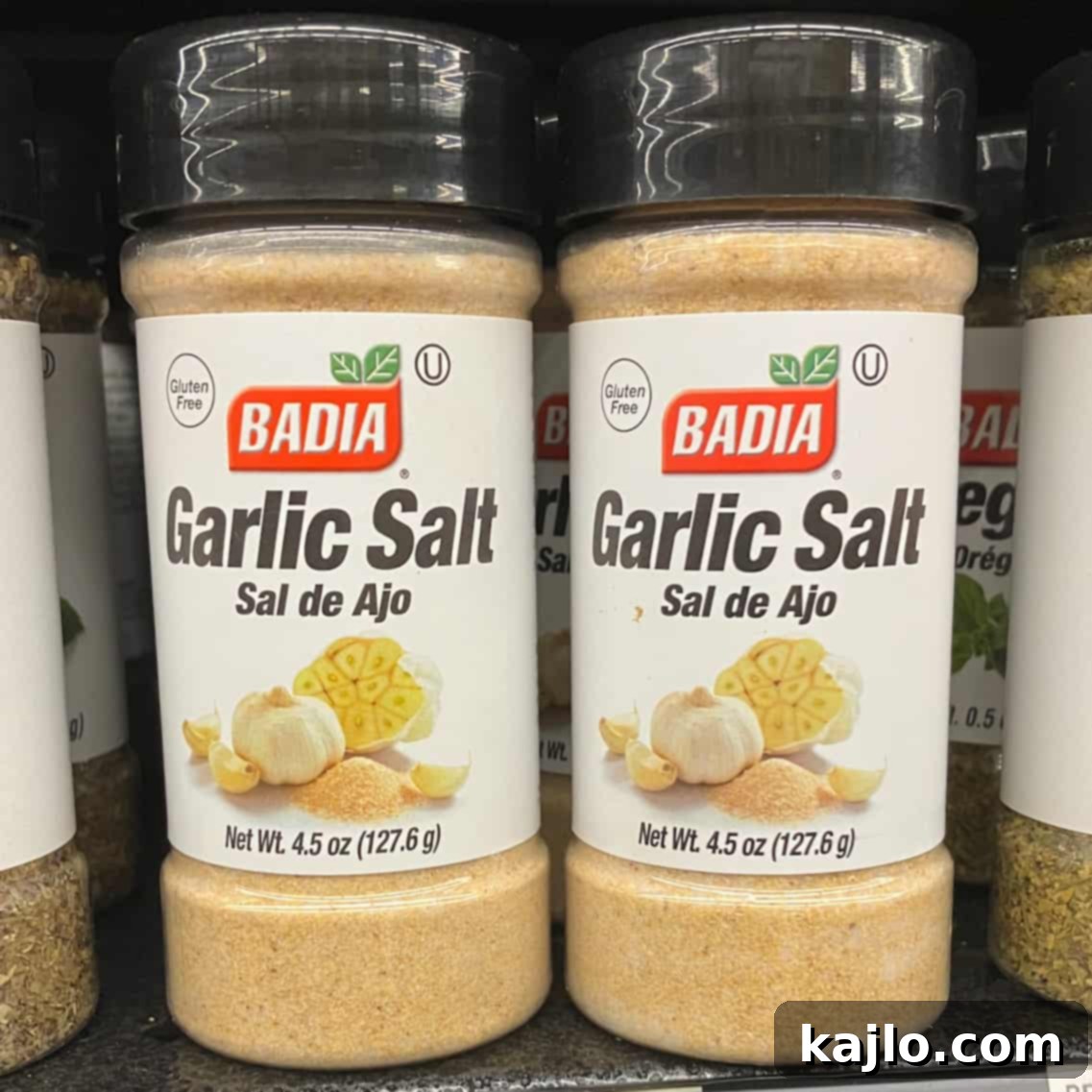
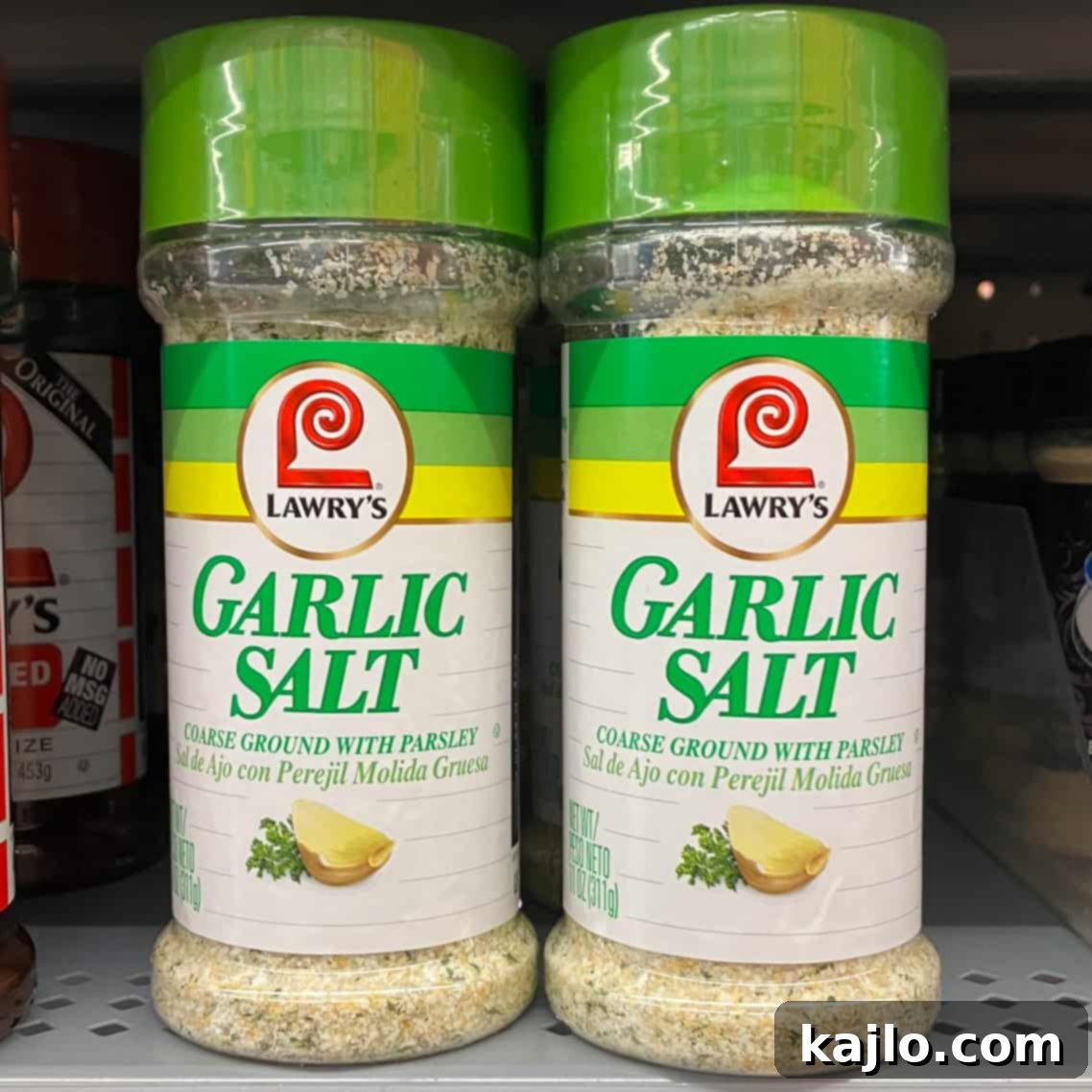
Understanding the distinction between garlic salt vs. garlic powder is crucial for effective seasoning. Garlic salt is primarily a seasoning blend where salt is the main ingredient, typically comprising about two-thirds to three-quarters of the mixture. It almost always includes dried, ground garlic, and frequently contains anti-caking agents (like modified corn starch or silicon dioxide) to prevent clumping. Some commercial brands may also incorporate sugar or other minor additives for flavor enhancement or visual appeal. In contrast, garlic powder is usually just one ingredient: dried, finely ground garlic. It offers a concentrated, pure garlic flavor without any added salt or other compounds. This fundamental difference means that while garlic powder provides the garlic essence, it lacks the salinity of garlic salt and thus requires the addition of salt when used as a substitute.
🏆 Popular Garlic Salt Uses
Garlic salt is a remarkably versatile, everyday seasoning that can elevate the flavor of a wide array of savory dishes. Its balanced blend of garlic and salt makes it a go-to for adding depth and zest. Here are some of the most popular and effective ways to incorporate garlic salt into your cooking:
- Seasoning Meats, Poultry, or Fish: Sprinkle garlic salt generously on steaks, chicken breasts, pork chops, or salmon fillets before grilling, roasting, or pan-frying. It forms a flavorful crust and penetrates the meat, enhancing its natural savory notes.
- In Dry Rub Mixes: Garlic salt is a foundational ingredient in many homemade dry rubs for barbecue or roasting. Combine it with other spices like paprika, black pepper, onion powder, and chili powder for a robust flavor profile on ribs, brisket, or chicken wings.
- Enhancing Dips and Sauces: Stir a pinch of garlic salt into homemade dips like hummus, guacamole, or creamy ranch. It also works wonders in pasta sauces, gravies, and marinades, providing an immediate boost of savory flavor.
- As a Flavor Enhancer for Soups and Stews: Add garlic salt during the cooking process of your favorite soups and stews. It deepens the umami, making broths richer and more satisfying. Try it in lentil soup, beef stew, or a hearty chicken noodle.
- Hamburger Seasoning: Before forming patties, mix garlic salt directly into ground beef or turkey. It permeates the meat, ensuring every bite of your burger is packed with delicious garlic-infused flavor.
- Versatile Vegetable Seasoning: Garlic salt is excellent for seasoning a variety of vegetables. Sprinkle it on roasted potatoes, French fries, or sweet potato wedges for a crispy, savory finish. It’s also a fantastic addition to mashed potatoes, green beans, broccoli, or asparagus, bringing out their natural sweetness and providing a savory counterpoint.
📋 Benefits of Garlic Salt
Garlic salt, while a simple seasoning, offers convenient flavor and can fit into various dietary patterns. Understanding its nutritional composition is key to incorporating it thoughtfully into your meals. Below is the general nutrition information for garlic salt, based on a typical brand like McCormick:
| Nutrient | Garlic salt per 1/4 tsp |
|---|---|
| Calories | 0 |
| Total Fat | 0g |
| Saturated Fat | 0g |
| Sodium | 490mg |
| Total Carbohydrates | 0g |
| Fiber | 0g |
| Total Sugar | 0g |
| Net Carbs | 0g |
| Protein | 0g |
From a nutritional standpoint, garlic salt is inherently low in fat, calories, and carbohydrates, making it suitable for keto, vegetarian, and vegan diets. It’s typically gluten-free, though it’s always wise to check the label for any specific additives if you have a severe gluten sensitivity. Its primary nutritional contribution, however, is its significant sodium content.
While garlic itself is celebrated for its potential health benefits, including antioxidant properties and immune support, it’s important to manage expectations. The amount of garlic in garlic salt is relatively small per serving, and while it adds flavor, it shouldn’t be relied upon as a primary source of therapeutic compounds. Also, it’s crucial to remember that despite popular belief and much online health information, there is currently no known food that can single-handedly prevent or treat serious conditions like cancer; a balanced diet is always the best approach.
The most significant consideration when using garlic salt is its very high sodium content. For individuals on a low-sodium diet due to conditions such as high blood pressure, heart disease, or kidney issues, salty seasonings like garlic salt are generally not a good choice. Exceeding recommended daily sodium intake can exacerbate these health concerns. In such cases, opting for the salt-free seasonings mentioned earlier in this guide allows you to enjoy the delicious garlic flavor without the detrimental health impact of excessive sodium. Always consult with a registered dietitian or your physician to determine the most appropriate dietary patterns for your specific health needs.
FAQs About Garlic Salt Substitutes
What’s a good garlic powder substitute for FODMAP?
For those following a low FODMAP diet, regular garlic is off-limits because it contains fructans, which can trigger digestive symptoms. Fortunately, there are specific low FODMAP alternatives available that provide a similar flavor profile without the problematic compounds. Monash University, a leading authority on the FODMAP diet, recommends using garlic scape powder as an excellent low FODMAP substitute for garlic powder. Garlic scapes are the flowering stalks of hardneck garlic, and when processed into a powder, they offer a mild, garlicky flavor that is generally well-tolerated. You can often find garlic scape powder at specialty stores or purchase it online here, allowing you to enjoy garlic-like flavors even on a restricted diet.
Is garlic powder just powdered garlic?
Yes, in most cases, garlic powder is simply powdered garlic. It is made by drying garlic cloves and then finely grinding them into a powder. Reputable brands typically offer garlic powder as a single-ingredient product, ensuring a pure and concentrated garlic flavor. Unlike garlic salt, which is a blend of salt and garlic (and often anti-caking agents), garlic powder contains no added salt or other fillers. This makes it a versatile ingredient, allowing cooks to add garlic flavor to dishes without increasing the sodium content, or to blend it with salt to create a custom garlic salt mixture.
How much garlic powder is equal to granulated garlic?
Both garlic powder and granulated garlic are derived from dried garlic, but their primary difference lies in their grind consistency. Garlic powder is extremely fine, almost like flour, while granulated garlic has a coarser, more granular texture. Because garlic powder is so finely ground, more garlic particles can be packed into a single teaspoon, making it more concentrated and potent in flavor than the same volume of granulated garlic. To prevent overpowering your dish, a good rule of thumb is to use half the amount of garlic powder when a recipe calls for granulated garlic. For instance, if a recipe specifies 1 teaspoon of granulated garlic, start with ½ teaspoon of garlic powder and adjust to taste. This helps achieve a balanced garlic flavor without it becoming too intense.
Is garlic salt just garlic powder and salt?
While homemade garlic salt can be as simple as mixing garlic powder and salt, commercial garlic salt products typically contain more than just these two ingredients. Beyond salt and dried garlic, most commercial brands include an anti-caking agent, such as modified corn starch or silicon dioxide, to prevent the seasoning from clumping together in the jar. Additionally, some manufacturers might add sugar, other herbs (like parsley for color and a hint of freshness), or even coloring agents to their garlic salt blends. If you prefer to avoid these additives and desire a purer product, always check the ingredient label carefully, as some brands do offer more minimalist garlic salt formulations without extra fillers.
Can I substitute garlic powder for minced garlic?
Yes, you can absolutely substitute garlic powder for minced fresh garlic in most recipes. This is a common and convenient swap when you’re short on fresh garlic or simply want to save time. However, due to the concentrated nature of garlic powder, you’ll need to use a much smaller amount. The general guideline is to use ⅛ to ½ teaspoon of garlic powder for every clove of minced fresh garlic. The precise measurement can vary based on the size and potency of the fresh garlic cloves, as well as your personal preference for garlic intensity. Always start with a smaller amount and add more to taste, as it’s easier to add flavor than to remove it.
👩🏻🍳 Delicious Recipes Using Garlic Salt (or Substitutes)
Garlic salt is a fantastic flavor booster, and these recipes offer perfect opportunities to use it or any of the excellent substitutes we’ve discussed. Simply incorporate your chosen garlic salt or alternative into the recipe where garlic and salt (or other seasonings) are specified, adjusting to taste.
- Flat Iron Steak Sous Vide Recipe
- Instant Pot Stir Fry Recipe
- Salad Supreme Pasta Salad
- Air Fryer Beef Stew
🧑🏿🍳 Other Essential Recipe Substitutions
Expand your culinary toolkit with more invaluable tips on making substitutions in your favorite recipes. These guides will help you navigate common ingredient swaps with confidence and creativity!
- Coconut Sugar Substitute
- Best Applesauce Substitute
- Corn Flour Substitute
- Best Horseradish Substitute
- Best Nigella Seed Substitutes
Watch How to Make It!

Learn the best substitutes for garlic salt!
Garlic Salt Substitute (Garlic Salt Alternatives or Replacements)
Summer Yule
Print Recipe
Pin Recipe
Ingredients
- 1 teaspoon garlic powder plus 1 tablespoon kosher salt OR
- 2-8 cloves garlic, made into garlic powder plus 1 tablespoon kosher salt OR
- 1-2 teaspoons granulated garlic plus 1 tablespoon kosher salt OR
- 2 teaspoons garlic flakes plus 1 tablespoon kosher salt OR
- 2 teaspoons garlic juice plus 1 tablespoon kosher salt OR
- 1 teaspoon onion salt OR
- 1 teaspoon onion powder plus 1 tablespoon kosher salt OR
- garlic oil, to taste plus kosher salt OR
- 1 teaspoon Trader Joe’s Everything But the Bagel seasoning OR
- 1 teaspoon Mrs Dash Salt-Free Garlic and Herb seasoning OR
- 1 teaspoon Asafoetida powder plus 1 tablespoon kosher salt
Instructions
- Pick a substitute with flavor profile you want, or just use ingredients you have on hand.
- Substitute garlic salt in your recipe with the garlic salt alternative of your choosing.
Save this RecipeSaved!
Notes
nutrition info disclaimer
All recipes on this website may or may not be appropriate for you, depending on your medical needs and personal preferences. Consult with a registered dietitian or your physician if you need help determining the dietary pattern that may be best for you.
The nutrition information is an estimate provided as a courtesy. It will differ depending on the specific brands and ingredients that you use. Calorie information on food labels may be inaccurate, so please don’t sweat the numbers too much.
“To taste” means to your preferences, which may have to be visual to follow food safety rules. Please don’t eat undercooked food x
Nutrition
Join our community! Subscribe for all of the latest and greatest recipes, and follow me on Facebook, Pinterest, Instagram, and YouTube!